Chinese first came in large numbers to this country after the Gold Rush. They became so numerous on the West Coast that they figured in Democratic campaign literature. One post–15th Amendment cartoon showed a frock-coated Republican supporting Cuffy, a soon-to-be-enfranchised black man, on his shoulders. But on Cuffy’s shoulders stood a Chinese man, in queue and silk robe, calling the Republican “belly good man! He say Chinaman good as Medican!” On the Chinaman’s shoulders stood an American Indian, demanding liquor. Free the slaves and every lesser breed will have its say. Ah, democracy; ah, Democrats.
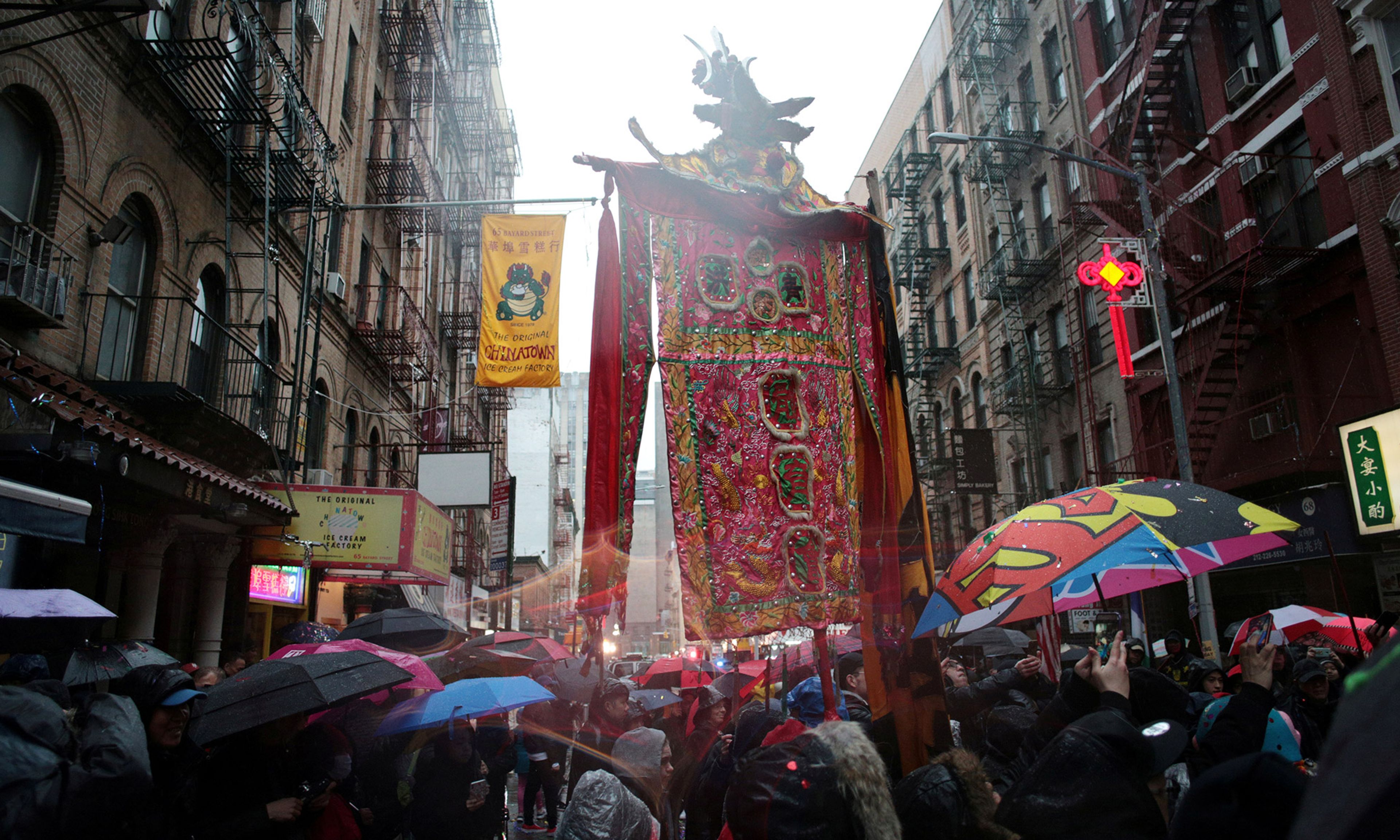
Chinese of the Charlie Chan/chop-suey era tended to live in Chinatowns in larger cities, many tricked out with pseudo-imperial gateways for the tourists. Within were Cantonese restaurants and shops selling cheap souvenirs — joss sticks, old copper coins with square holes in their centers, Bank of Hell notes in million-dollar denominations for burning at funerals. On Chinese New Year there would be a dragon dance. But even before the gates of immigration were opened in the Sixties, there was, in every town of any size and many of no size, a Chinese restaurant. They were strung across the country as if by prearrangement — one everywhere, and no more.










Comments