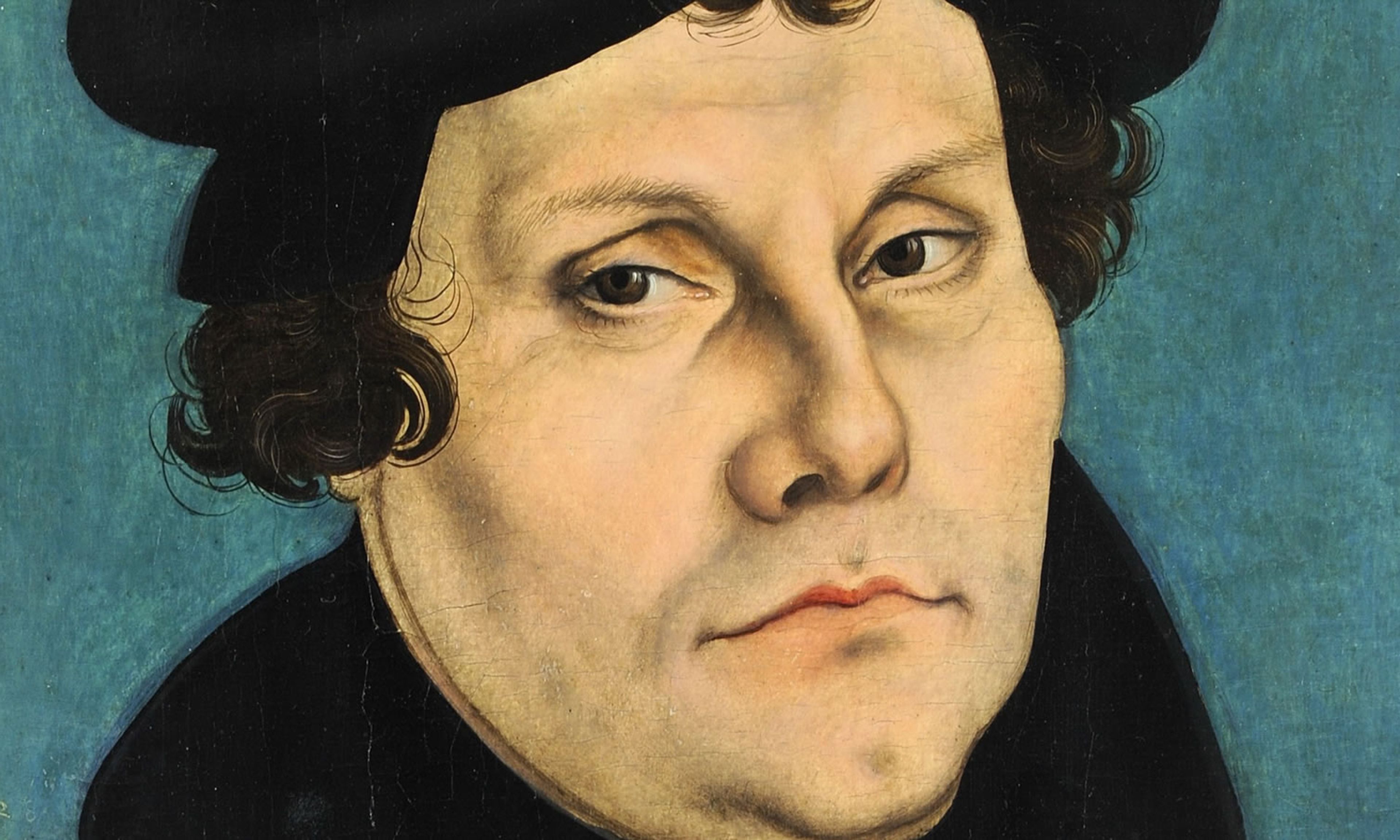
The 500th anniversary of the Reformation has occasioned a slew of books, lectures, conferences, reenactments, and so on, starting several years ago and scheduled to reach a climax in the fall of 2017. Of the books I’ve seen in this cavalcade (there are far too many for any single reader to keep up with), Carlos M. N. Eire’s Reformations is one of the best.
It’s a very long book, and at first you may be daunted by its sheer bulk. (I discovered that I couldn’t read it in bed, my favorite spot: I needed to have it lying flat on a desk or table.) But unlike all too many books these days, Reformations is not bloated with verbal filler, lazy repetitions, or self-indulgent digressions. The writing, while deeply informed by scholarship, is beguiling, as one might expect from the author of the memoir Waiting for Snow in Havana (2003). And the book is long because it needs to be, to flesh out Eire’s thesis that we should speak of Reformations, plural, rather than “the” Reformation, singular, symbolized by Martin Luther’s nailing his 95 theses on the door of a church in Wittenberg, Germany, on October 31, 1517. (Eire, like many historians, describes this famous scene as a legend; in any case, Luther sent his theses to clerical authorities, so the challenge was given.)











Comments