The principle of revisionism is now well established. Harold Bloom has not only explicated it but canonized it: those who come later suffer the “anxiety of influence” and willfully “misread” their predecessors in order to make room for themselves. This is a doctrine naturally adapted not so much to the exigencies of poetic creation as to the academic imperatives of publication. Publication requires originality or, if that is too hard, at least novelty. Dr. Johnson saw it coming with Hume and Rousseau: “Truth, sir, is a cow which will yield such people no more milk, and so they are gone to milk the bull.”
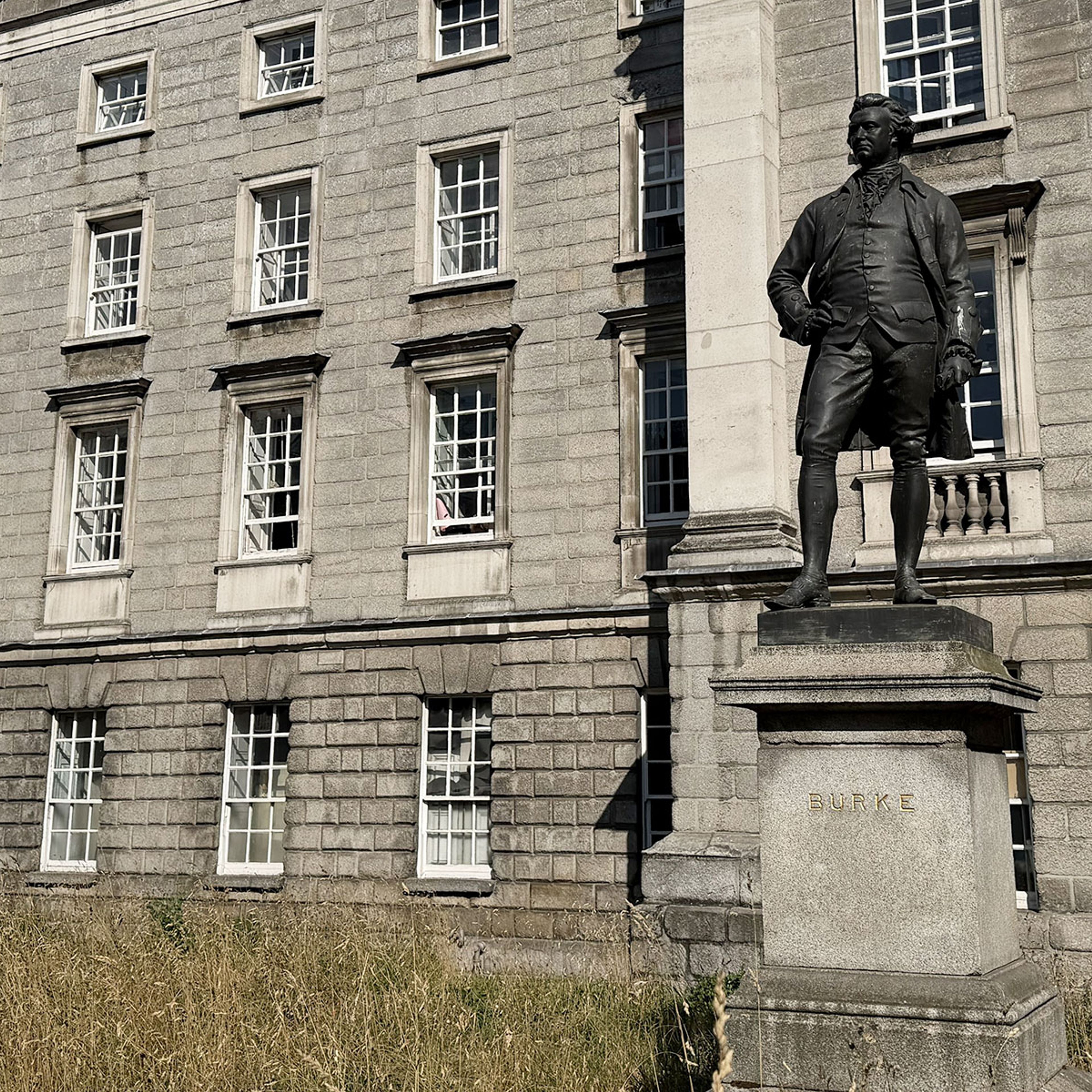
Which brings us to Professor (of Government, Cornell) Isaac Kramnick’s The Rage of Edmund Burke: Portrait of an Ambivalent Conservative. The Kramnick thesis is that Burke was torn between two worlds, the old aristocratic order of the lamented “age of chivalry” and the new bourgeois world of “sophisters, economists, and calculators.” The conventional wisdom is that Burke stood foursquare for the old order and hated the new with all his heart. But Kramnick argues that he was deeply “ambivalent,” precisely because he was a man on the make in the new bourgeois mold, and that his attachment to the traditional orders reflected his psychic attempt to appease his conscience, which demanded the repression of just those appetites which the aggressive bourgeoisie represented (both in history and in his own imagination). Got that? It’s like “aristocracy = superego” and “bourgeoisie = id.” Since aristocracy also = Burke’s intimidating father, there was also an “unresolved Oedipal conflict” at work, and Burke may also have been homosexual, for much the same reasons that he was a “repressive” conservative. “This new Burke,” Professor Kramnick announces triumphantly, “is a much more interesting and important historical figure than the defender of the faith so venerated by generations of conservatives.”



Comments