Not good news. CNN documents how easy it is to slip a bomb on an airplane. (Note: TSA approved CNN’s article and coverage and insists no secrets are being revealed):
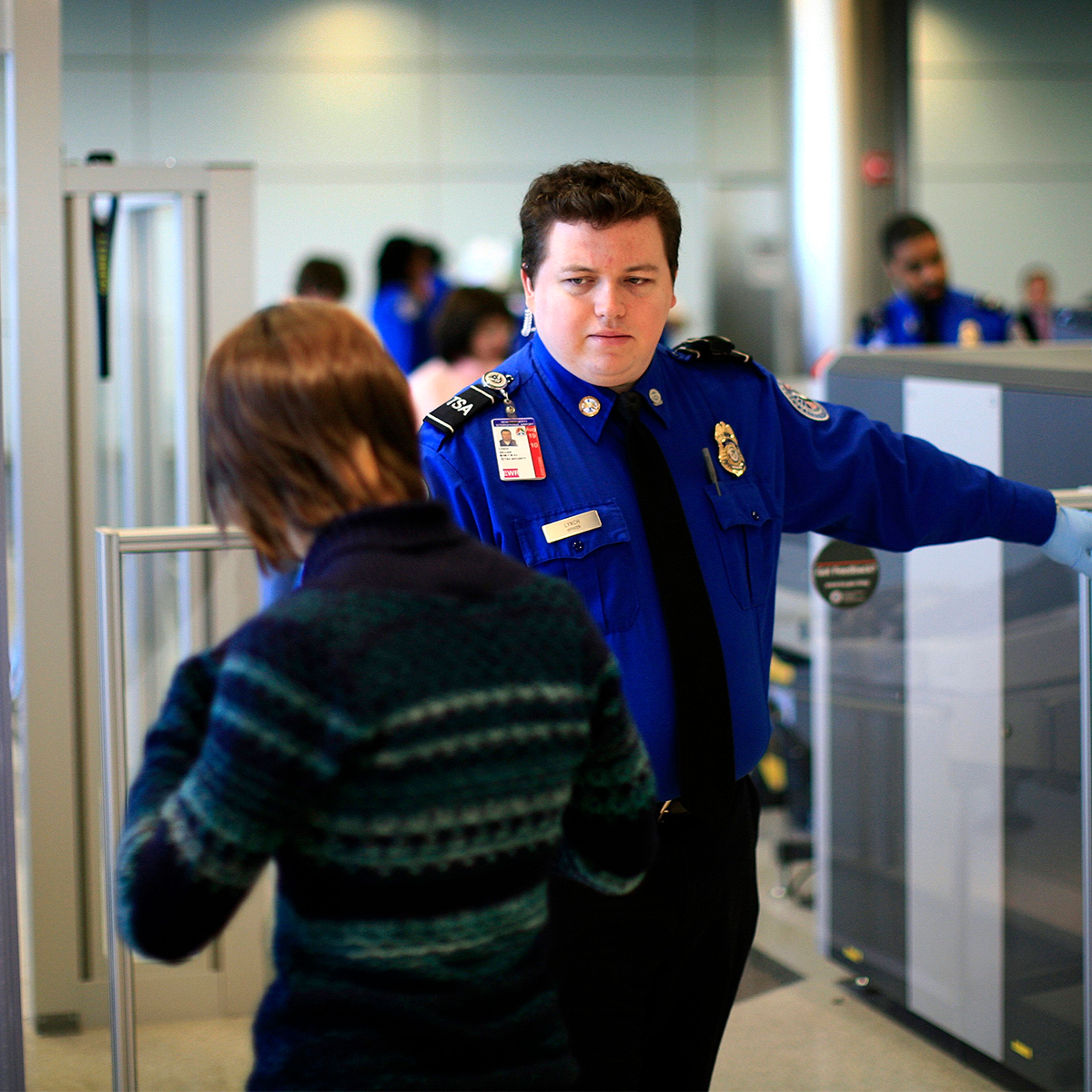
Almost an hour before Jason approached the checkpoint, a fellow red team member had gone through the checkpoint. It’s this member’s job to make sure the test is conducted safely. Five minutes before the test begins, he uses a cell phone to call Tampa’s federal security director, the airport’s top security official. “Sir, the reason we’re calling today is to tell you that we will be conducting covert testing at your airport,” the red team leader says. “But I would ask that you not speak to anyone on your staff to alert them of this test.” The message is clear: Don’t tell anyone. Testers say they will scratch a test if they believe anyone has been alerted. The TSA was embarrassed several years ago when word of one test leaked out, and an internal auditor is investigating other possible leaks. But in Tampa, everything goes smoothly as Jason steps through the metal detector portal. The detector alarm goes off, as Jason expects it to, not because of the nonmetallic device strapped to his back but due to his metal knee. It’s the perfect tool for ensuring he gets to “secondary,” where more extensive searches are conducted. Soon Jason is in a posture familiar to air travelers. He is standing, legs apart, with his arms extended. A screener “wands” him with a hand-held metal detector, and it beeps as it passes his metal knee, his necklace and the rivets on his bluejeans. The screener then pats him down, running latex-gloved hands over Jason’s legs, arms and torso. And he pats down Jason’s back, including the lower part where the device is concealed. But Jason explains away the back support. He tells the screener that he has a bum back in addition to having a metal knee. With the patdown over, the screener releases Jason. He picks up his belongings and walks freely into the airport, the fake bomb still fastened to his back.




Comments