Ever since the number of journalists killed in Iraq surpassed WWII and Vietnam, it has become an oft-cited statistic, particularly among critics of the war. But this statistic is important for a reason that goes unmentioned in the mainstream press. Nobody is talking about what this statistic says about the nature of the enemy we’re fighting in Iraq.
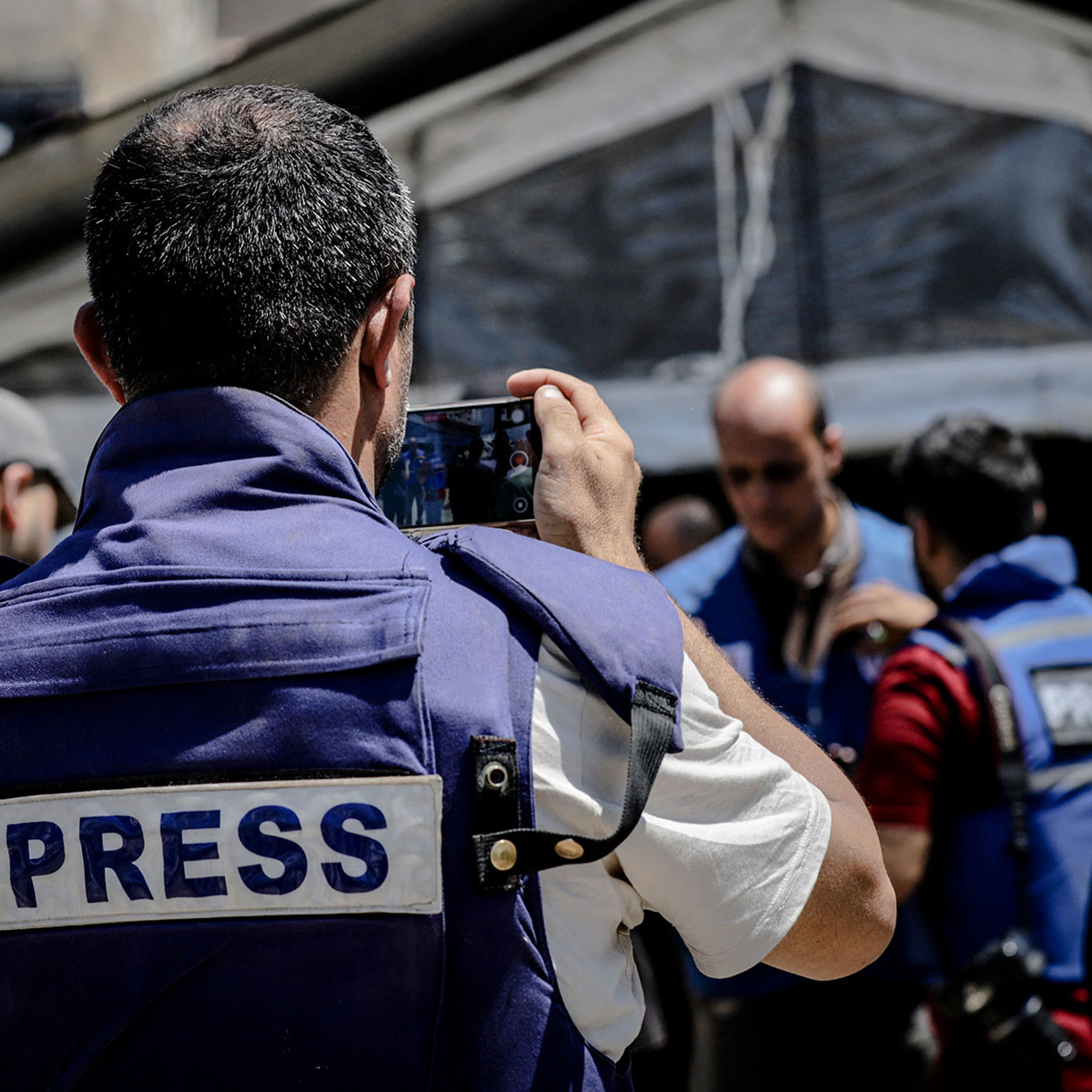
In WWII, legendary correspondent Ernie Pyle was killed by a Japanese machine-gunner when the Army unit he was with came under fire — similar to the way in which CBS journalists Paul Douglas and James Brolan were killed last week. But Douglas and Brolan were exceptions to the rule in Iraq, which is that journalists are deliberately targeted by insurgents as part of their campaign of terror. Reporters Without Borders issued a report last March stating that 55 percent of the journalists killed in Iraq were deliberately targeted, which is “much higher than in previous wars, in which journalists fell victim above all to indiscriminate attacks or stray bullets.” In addition, 38 journalists have been kidnapped, and five of those were executed.
The statistic that more journalists have been killed in Iraq than WWII or Vietnam is often cited without context — usually it is invoked as one of many reasons why Iraq should be considered a disaster. What this statistic really explains — and what so often goes unmentioned when it’s talked about — is that unlike enemies America has faced in the past, the terrorists in Iraq consider murdering journalists a perfectly acceptable and desirable tactic. As Michael Yon has written, “Apparently the terrorists like it better when fewer reporters are around to peel back the layers of their insurgent press machine and reveal its rotten core.” Members of the press are talking a lot these days about how dangerous this war has become for journalists. They just aren’t talking about why.





Comments