A headline in the Washington Post today reads:
Well-Paid Benefit Most As Economy Flourishes
Naturally, one is reminded of the old media-bias joke: “World Ends: Women, Minorities Hardest Hit.” But if you look beyond the headline, this article contains a lot of interesting information about wages. Critics of the administration have pointed to slow median wage growth to back up their assertion that Bush’s economic policies have rigged the game in favor of the wealthy. So let’s set aside the fact that the unemployment rate is at record lows and look at what the WaPo article has to say about wages: Turns out, slower wage growth at the lower end of the economic spectrum is mostly the result of rapid advancements in technology:
Such innovations help explain why, from 2003 to 2005, the average wage for people in the lowest pay bracket, with salaries around $20,000, rose only 5.4 percent in the Washington region — not enough to keep up with rising prices. For the jobs that pay around $60,000, salaries rose 12.4 percent, well ahead of the 6.8 percent inflation in that period.
Those numbers come from a Post analysis of federal data collected from employers. The disparity exists throughout the nation, but the gap between high- and low-paid workers is widening faster in Washington than in the country as a whole.
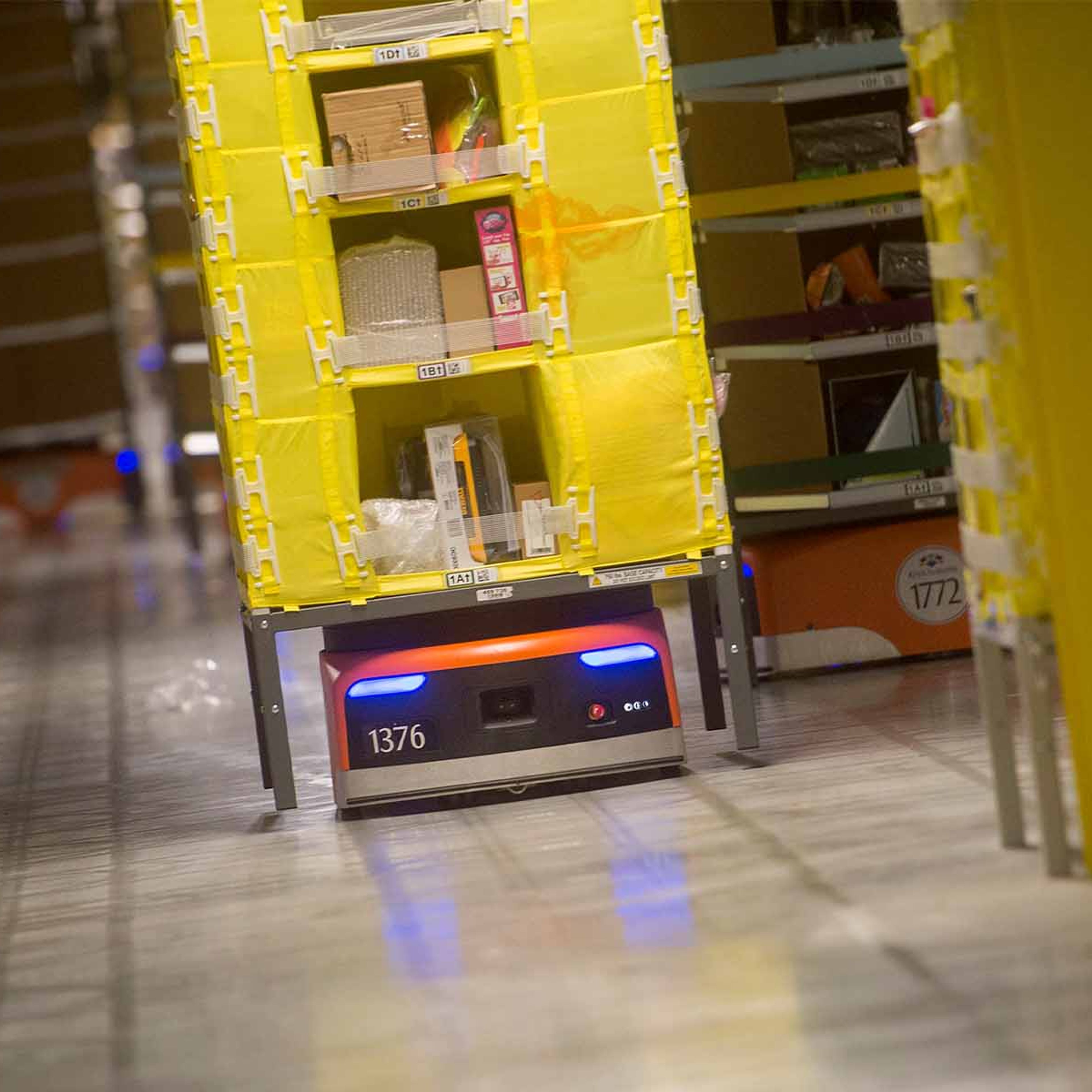
“I’m not the kind of person to say I’m not getting paid enough,” said Kamal Quarles, 27, of Oxon Hill, who handles packages for a large shipping company — a function that is rapidly becoming automated. He said he is earning 4 percent more than he did when he started four years ago. “The reality is my pay isn’t rising, but everything else is.”
And in response to market demand for high-skilled workers, people like Quarles are taking the steps they need to get a higher-paying job:
Quarles, the shipping clerk frustrated by puny raises, isn’t waiting for the economics to change. Foreseeing that package handling would grow only more automated, he enrolled in college. He just graduated and plans to look for a job with more promise.
The economy has always had to adjust to technological advancement, and this economy is no different.





Comments