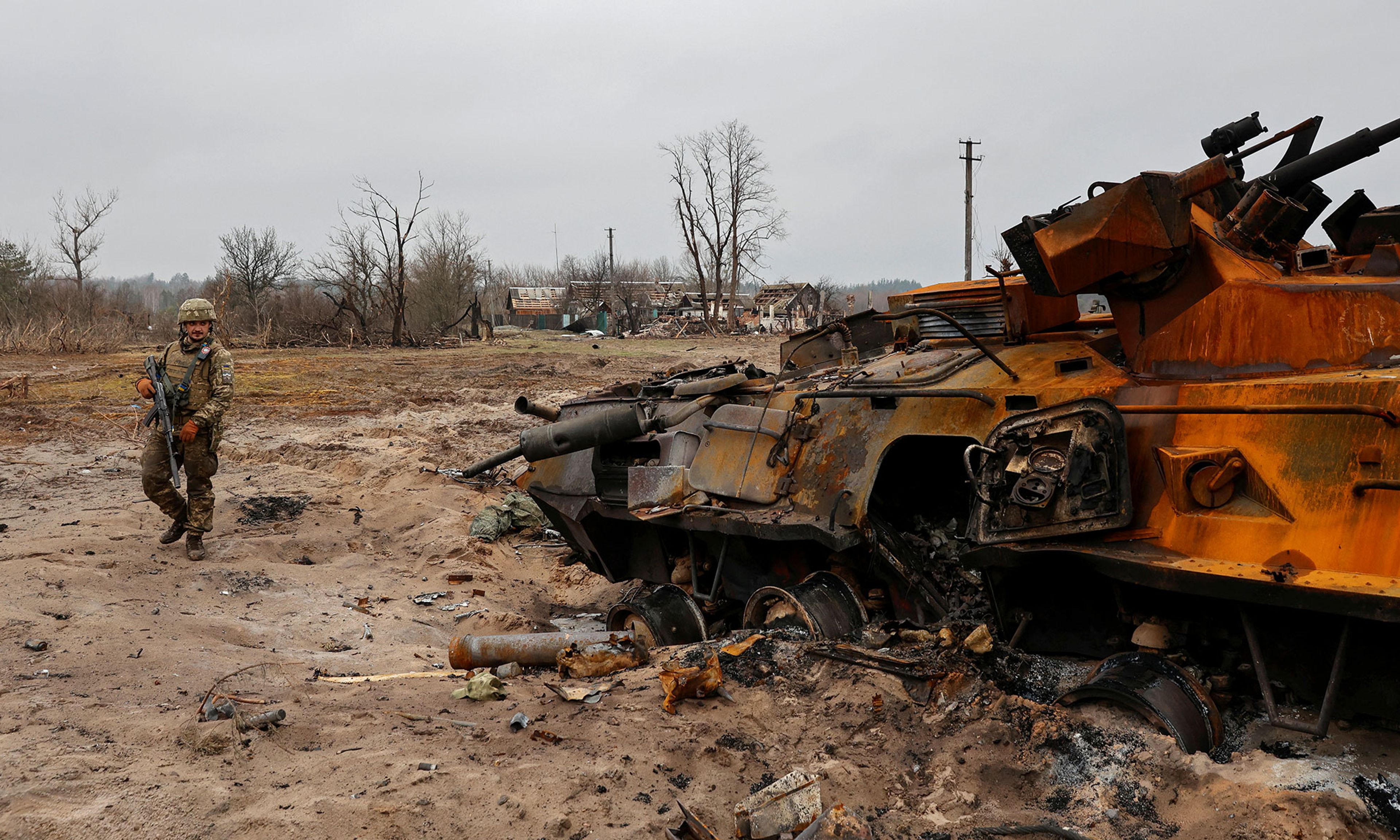
Russian forces are pulling back from some suburbs around the Ukrainian capital of Kyiv, multiple media and analyst reports indicated on Saturday.
Ukrainian officials said Russian troops were retreating under fire, while reports from towns and villages near Kyiv brought further evidence of a Russian pullback, the New York Times noted. By Friday, Ukrainian forces were able to guide reporters to the town of Irpin, which saw heavy fighting throughout the war.
Video from Ukraine’s Ministry of Internal Affairs showed buildings in Irpin with smashed windows pockmarked with bullet holes, as well as an evacuation of elderly civilians:
Multiple reports from the areas around Kyiv noted bodies lying in the streets and the remains of abandoned or destroyed army vehicles.
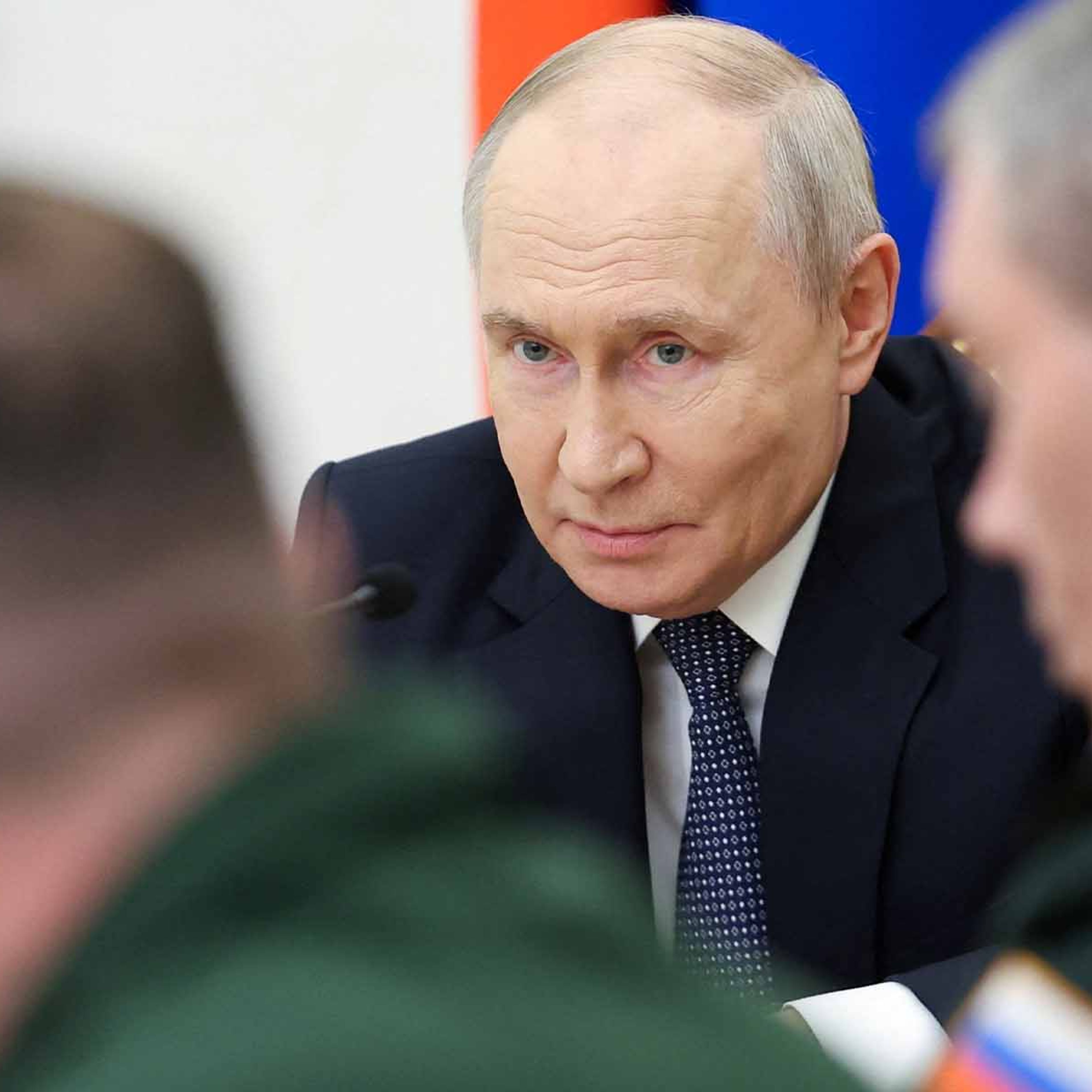
It is unclear how the apparent pullback from Kyiv will affect the course of Russia’s invasion, which began six weeks ago with Russian president Vladimir Putin calling to “denazify” Ukraine. U.S. officials estimate that 10,000 Russian troops have died in the fighting, while it is unclear how many Ukrainian soldiers have lost their lives.
Ukrainian president Volodymyr Zelensky said in a video message on Friday that the towns around Kyiv will likely continue to be targeted in missile strikes, and warned of mines planted in the area.
“It’s still not possible to return to normal life, as it used to be, even at the territories that we are taking back after the fighting,” Zelensky said, according to the Associated Press. “We need wait until our land is demined, wait till we are able to assure you that there won’t be new shelling.”
Oleksiy Arestovych, a senior adviser to Zelensky, warned on Saturday that Ukraine faced hard battles in the south and east of the country.
“We need to rid ourselves of illusions: We stand before difficult fights in the south, Mariupol, for the east of Ukraine,” Arestovych said on national television, the Washington Post reported.
The southern port city of Mariupol has been besieged by Russian forces for weeks, with shortages of water, food, and other basic necessities. Around 100,000 people are estimated to remain in the city, which was home to over 400,000 before the war.


Comments