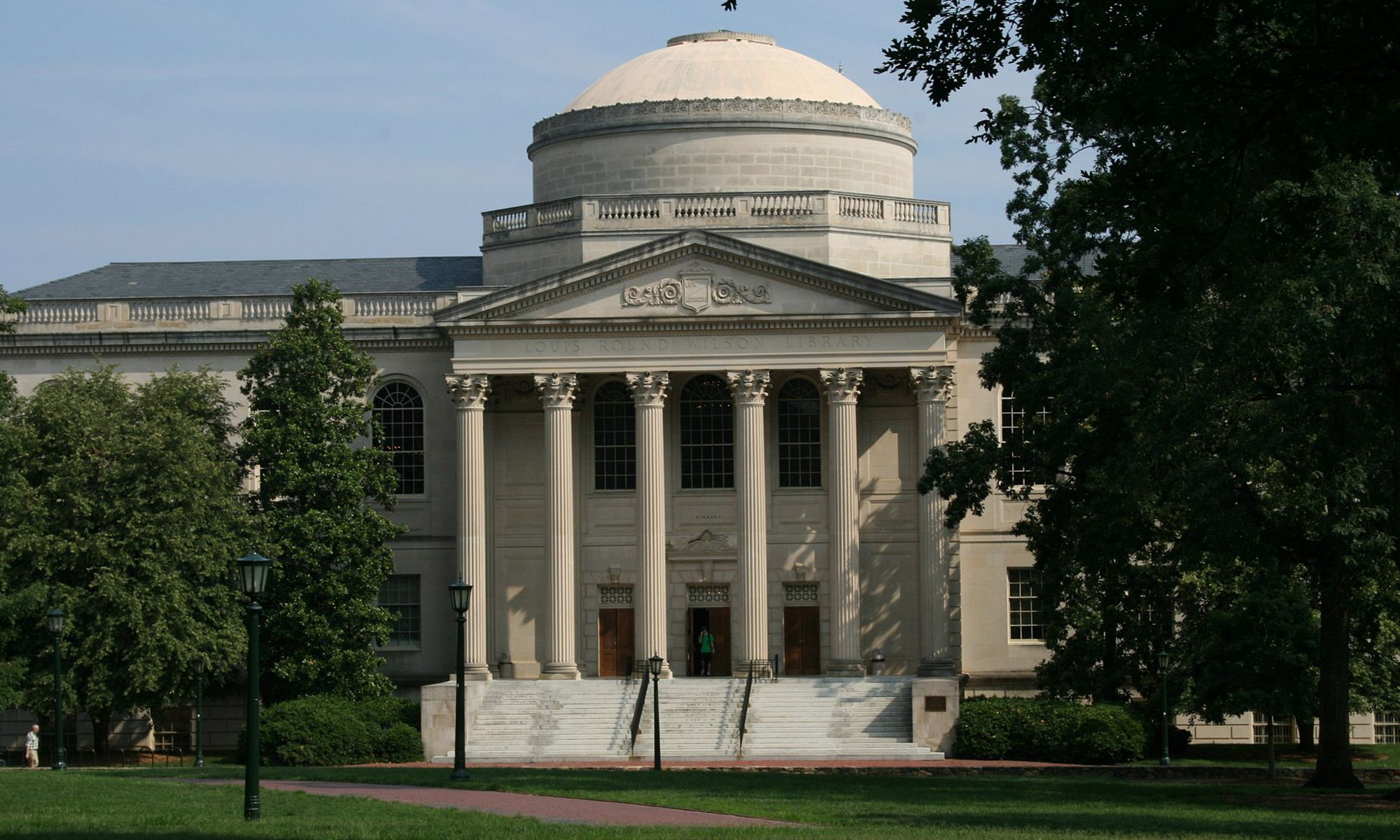
The University of North Carolina (UNC) System announced plans to ditch diversity, equity, and inclusion (DEI) as well as compelled speech requirements from hiring decisions following a board of governors meeting on Thursday.
The System, which includes 17 public universities serving nearly a quarter of a million students, will no longer “solicit nor require an employee or applicant for academic admission or employment to affirmatively ascribe to or opine about beliefs, affiliations, ideals, or principles regarding matters of contemporary political debate or social action as a condition to admission, employment, or professional advancement,” the resolution reads.
The statement added that hiring practices will further prohibit “statements of commitment to particular views on matters of contemporary political debate or social action contained on applications or qualifications for admission or employment included as criteria for analysis of an employee’s career progression.”
A non-profit organization, Color Us United, had started a petition earlier to abolish DEI requirements for UNC medical school applicants. The group asked signatories who “are concerned as we are about the dangers of woke medicine,” to attach their names to the petition in order “to get the attention of the UNC Dean and the Trustees.”
Kenny Xu, president of Color Us United, hailed the decision by UNC’s Board of Governors.
“My organization, Color Us United, saw the requirement of diversity statements in the promotion and tenure of UNC Medical School faculty. These forced requirements stifle innovation and hurt the right of medical faculty to speak freely. UNC’s decision to reverse this requirement is just a start to the end of ‘Diversity, Equity, and Inclusion’ in medical institutions, but it’s a welcome first step,” Xu told National Review on Saturday afternoon.
The announcement comes on the heels of the unanimous decision by the Board of Trustees to create a School of Civic Life and Leadership aimed at reinforcing free speech and debate.
“Our vision is not about making a political statement,” Christopher Clemens, UNC’s provost said following the vote. Rather, the initiative stems from the desire to create “a school that will focus on preparing our students with the skills and capacities to help make democracy work better.”
Critics, however, allege that the requirement was needlessly politicizing education. “Like many of you, I am flabbergasted,” the chair of the university faculty Mimi Chapman told the Washington Post. “It is deeply upsetting and unsettling.”
Editor’s Note: This article has been updated to reflect that the policy change was made by the UNC system’s board of governors and applies to all UNC schools, not just UNC Chapel Hill.



Comments