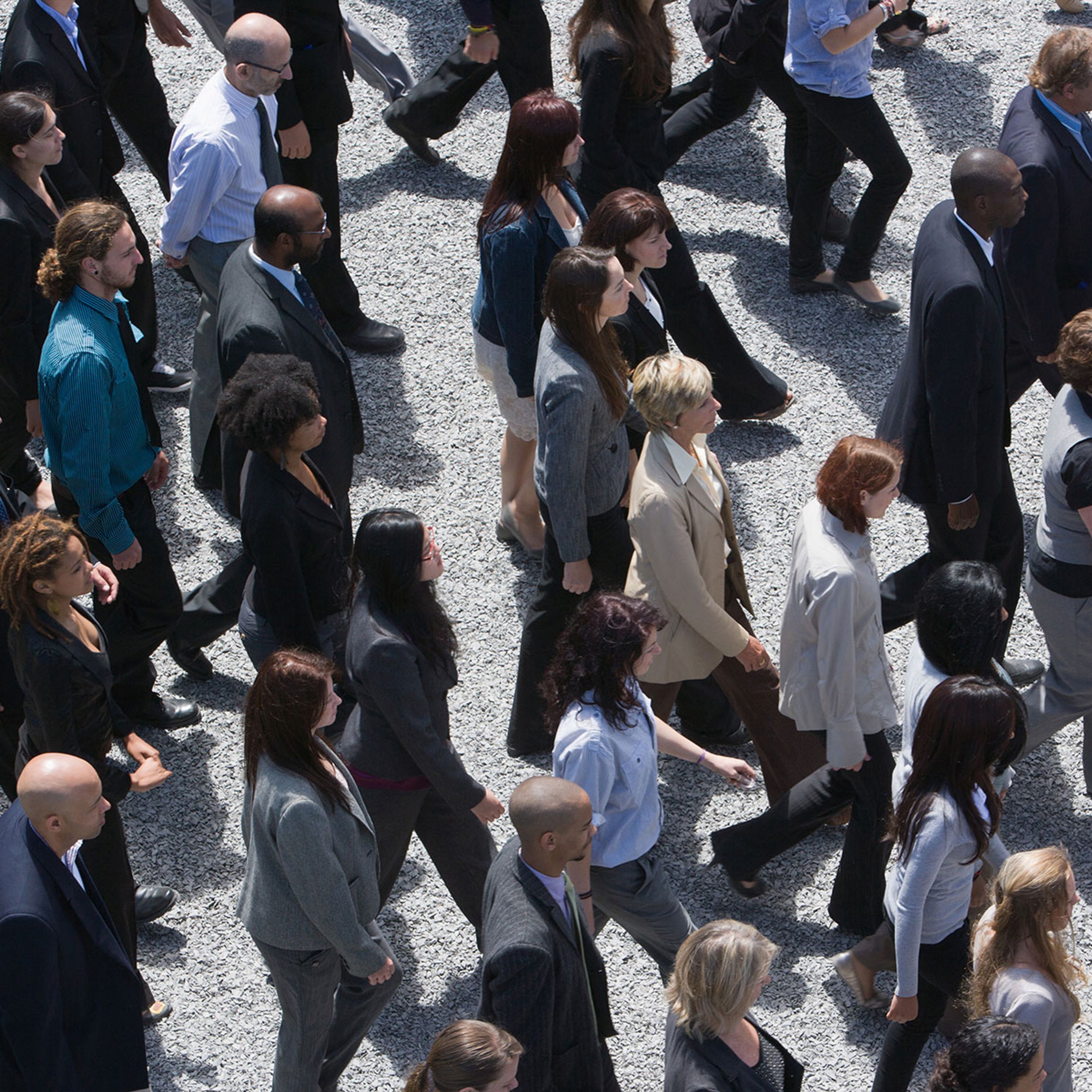
When an employer hires people of a given “race, sex, or ethnic group” at less then four-fifths the rate that it hires members of another group, the federal government sees that as a great reason to investigate the company for discrimination against the underrepresented group.
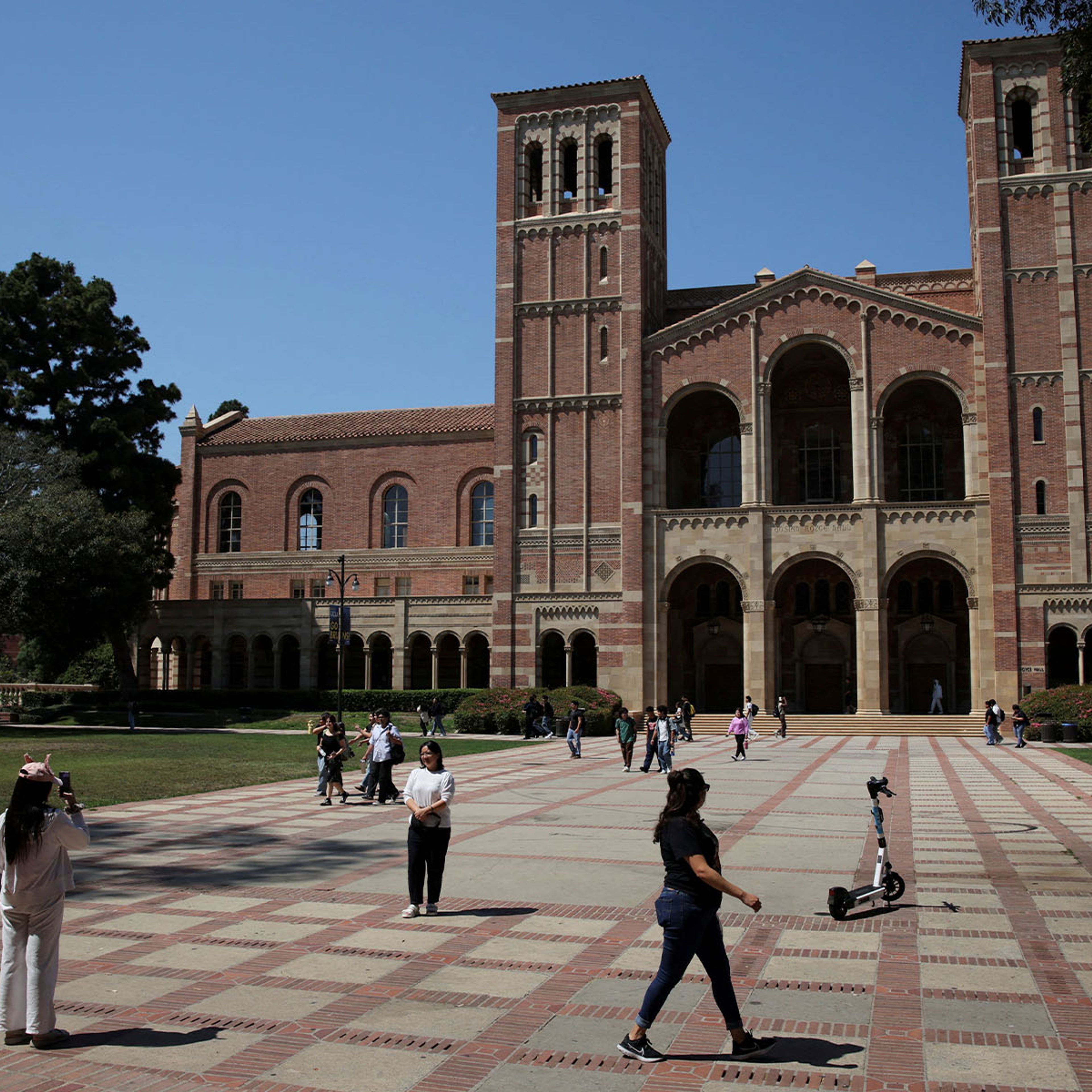
When colleges admit classes that are, on average, about 60 percent female — that is, the colleges admit only two-thirds as many men as women — the federal government sees that as a great reason to investigate the schools for discrimination . . . against women.
So, which is it? If we’re going to assume that all groups of people have the same exact distribution of skills, and that therefore a “disparate impact” in hiring is evidence of discrimination, let’s apply that notion across the board — not just when it benefits the Left’s favored groups. Or, we could face the fact that for whatever reasons, different groups of people perform differently, and kill the four-fifths rule.
(I suppose I should note that it’s the EEOC that’s responsible for the four-fifths rule, whereas it’s the Commission on Civil Rights that’s investigating anti-woman affirmative action. Also, there’s a broader disconnect between employment law and college-admission law: Whereas Griggs wiped out testing for employment to a large degree, schools can still use various tests, which give them cover against claims of disparate-impact discrimination against underrepresented groups.)




Comments