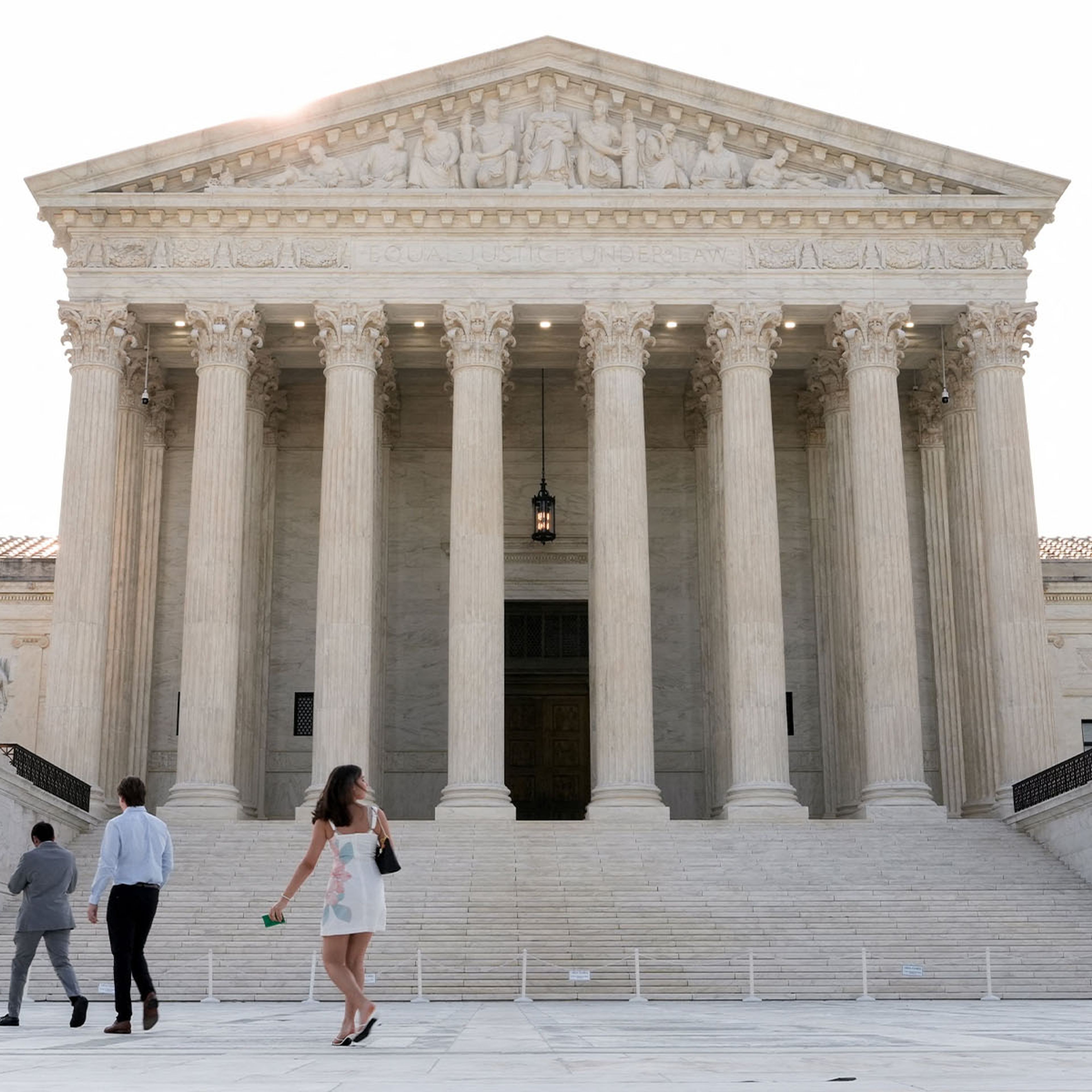
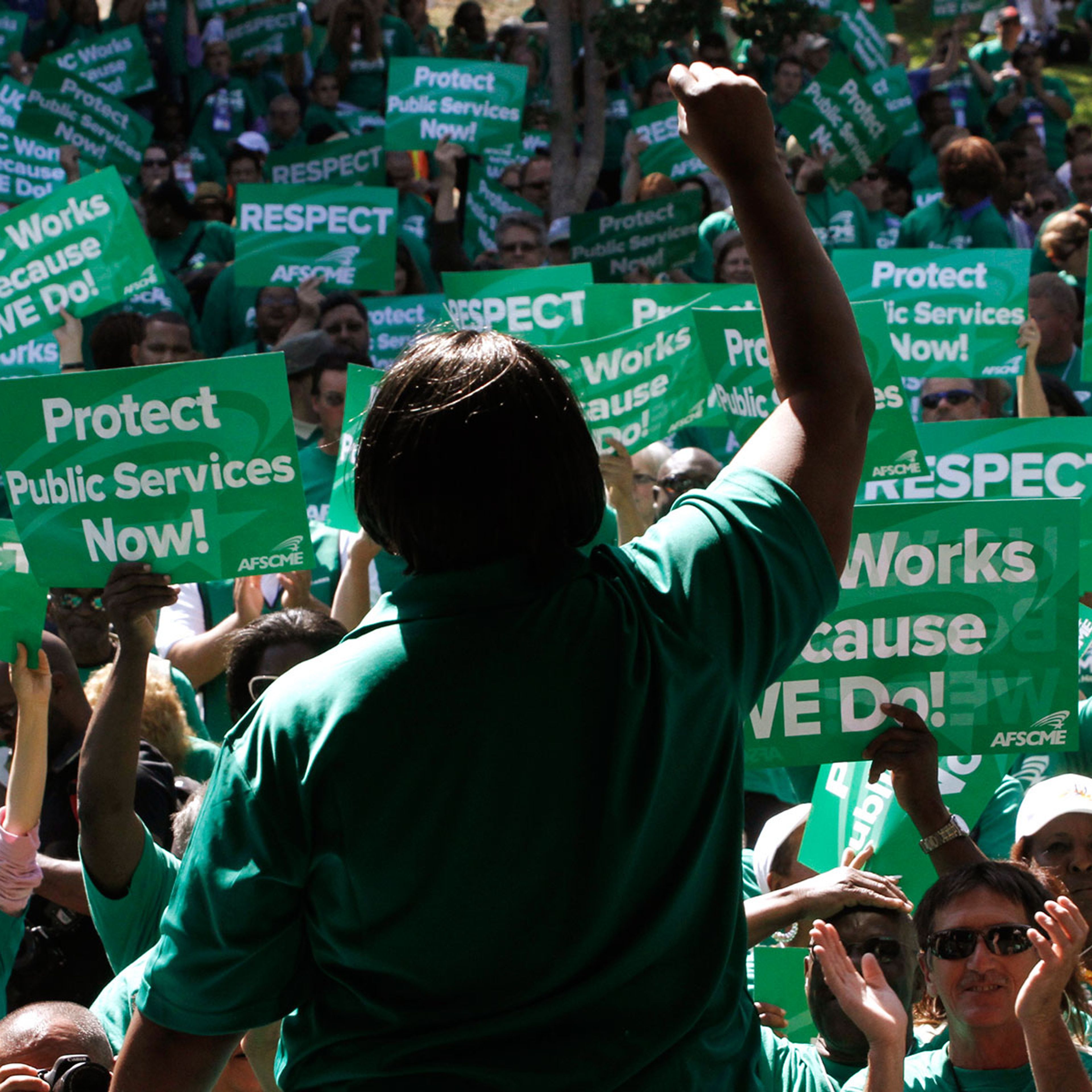
In the recent Supreme Court case Harris v. Quinn (which I wrote about here) the issue was compulsory unionism. Home health care providers, almost always family members, had been declared to be public employees by Governor Blagojevich simply because that allowed the Service Employees International Union to siphon off some of their money. Unionistas raised the usual argument that these people would be “free riders” on the union’s wonderful efforts on their behalf if they were not required to pay. The plaintiffs in Harris did not want to fork over any of their funds and one reason was that the SEIU supports a host of political causes they don’t agree with.
Pertinent to all that is Professor Mitchell Langbert’s recent post about his own faculty union at Brooklyn College. Evidently, it devotes most of its dues money to politics, such as supporting Working Families Party. If he could refuse to pay the dues, would that make him a “free rider” — or is it not the truth that by taking his money by force and using it in ways he disapproves of, the union is legally plundering him?
In arguing against government supported religion, Thomas Jefferson offered the opinion that it is “sinful and tyrannical” to compel someone to pay money in support of ideas he does not believe. That applies with equal force to compulsory union dues.




Comments