Notre Dame University was fortunate indeed to have Ralph McInerny, who died on January 29 and whom I had the honor to get to know, grace its towers. As the distinguished Catholic scholar George Weigel comments in a fine testimony, McInerny
was arguably the most distinguished scholar ever to work at Notre Dame. His scholarly publications outstrip those of other Notre Dame philosophers by orders of magnitude — and that’s before we get to his popular fiction, his magazine work, and his encouraging of generations of younger Catholic academics.
Yet the university’s official marking of McInerny’s death was lackluster, communicating hardly at all that a giant of a man had departed its ranks. This, no doubt, as Weigel says, is because he did not shrink from saying that
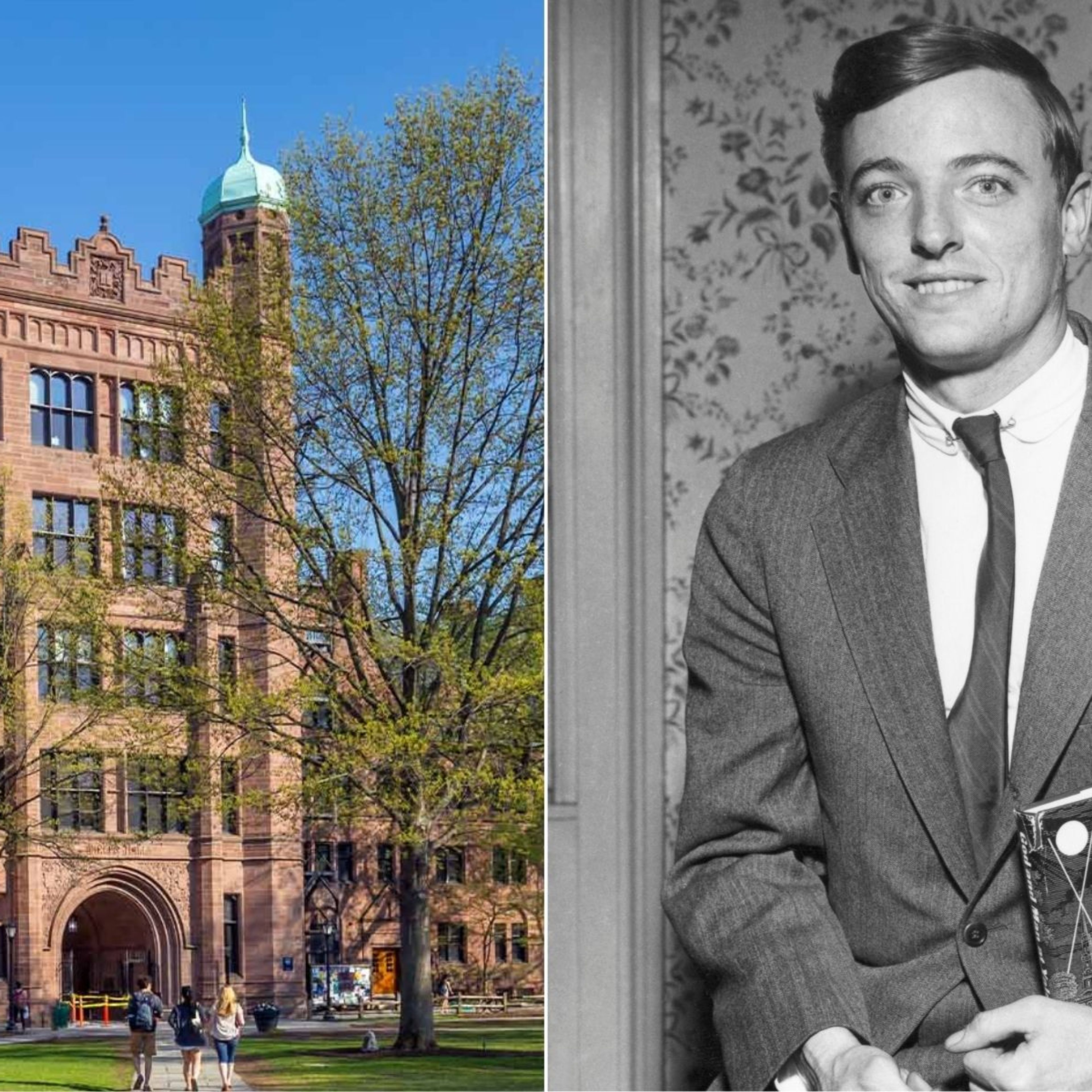
Notre Dame had gone off the rails in its dogged and relentlessly self-promoting attempts to measure itself against what it likes to term “peer schools,” such as Dartmouth and Yale . . . the wrong plumb-line by which to measure a Catholic university’s accomplishment. Or indeed any university’s accomplishment, given the intellectual chaos, political correctness, decadence, and madcap trendiness that has afflicted those “peer schools” since the late Sixties.
McInerny was a champion of higher-education reform and natural law. He argued what the pragmatic and utilitarian “peer schools” no longer bother to contemplate –
that there are truths built into the world and into us: truths we can know by exercising the arts of reason; truths that, known, lay certain moral obligations on us, personally and in our civic lives.
He minced no words about the terrible bargain made by Notre Dame and many other Catholic colleges and universities: “They had sold their intellectual and moral birthright — the true excellence that comes from an immersion in the Great Tradition of western higher learning — for a mess of pottage.”
McInerny understood that Catholic higher education’s potential to act as leaven — “truth-centered, character-building, and life-inspiring” — throughout all universities. He defended a rigorous liberal-arts education combined with the best of the Catholic philosophical, theological, and cultural traditions.
Let us hope that Notre Dame’s trustees and administrators, as Weigel urges, will be moved to celebrate more fulsomely, for all the world to see, the gifts and achievements of this extraordinary man.




Comments