I was a participant in “The Automobile in Our Culture,” an auto symposium at Youngstown State University in Ohio last weekend. I was speaking on union – not environmental – issues, but green is always in the air at auto forums these days.
The most consequential “green” presentation was not about the environment at all, but a simple global sales summary by Martin Apfel, General Motors’ Director of Global Manufacturing Planning. The numbers he cited were simple evidence of the absurdity of trying to harness global emissions, much less pretend that U.S. emissions cuts would have any meaningful impact on greenhouse gas emissions.
Folks like Apfel talk a lot about the “BRIC” countries: Brazil, Russia, India, and China. While the U.S. remains the biggest auto market, these emerging economies are where the real growth lies for automakers. Sixty-four percent of GM’s sales are already outside of the U.S. and growing fast.
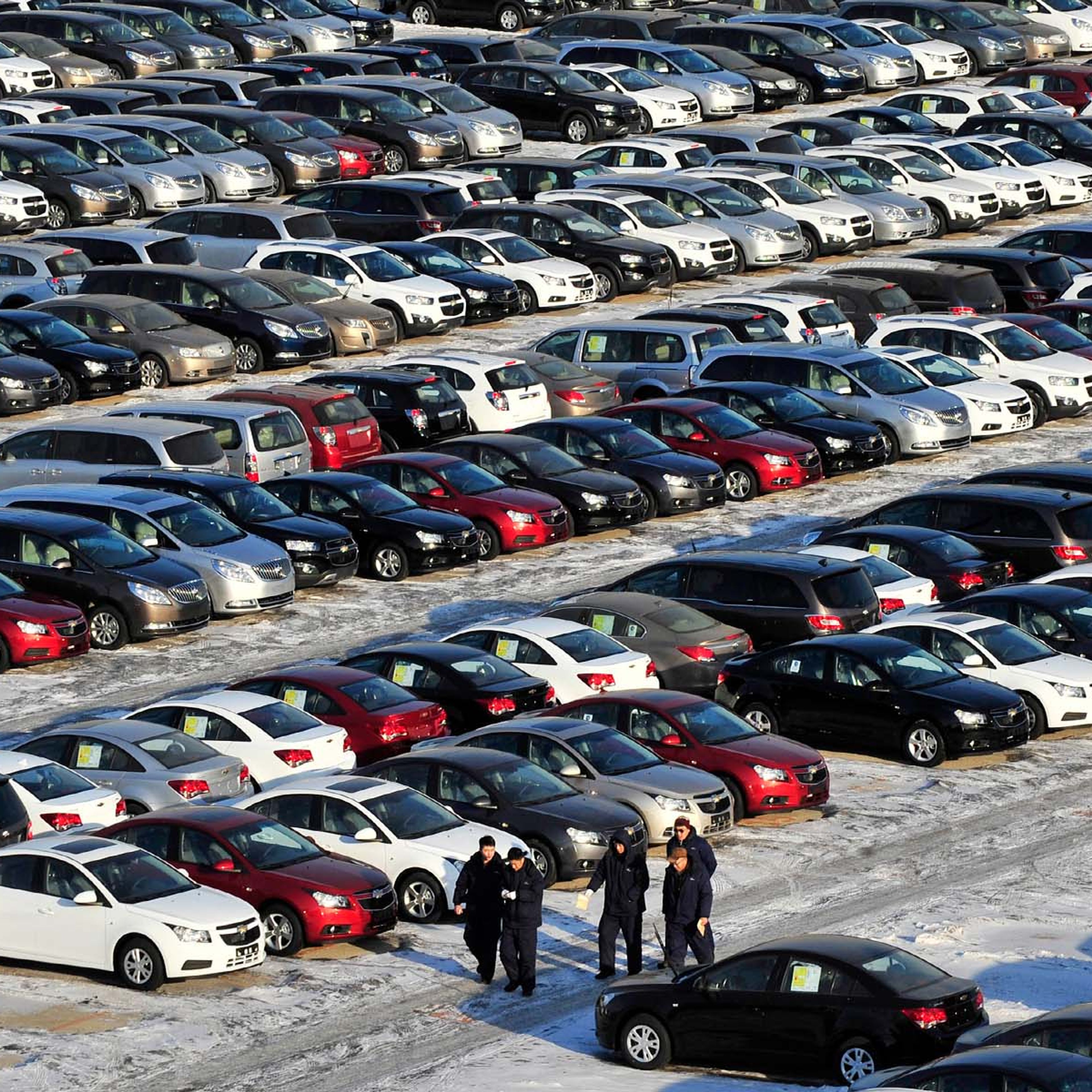
How fast? Since 1997, GM’s China sales alone have exploded from 50,000 units a year to 1 million last year. All manufacturers sold 5.5 million (the second-largest market, behind the U.S. at 16 million) and expect growth of 20 percent a year for the foreseeable future. Eighty percent of those cars were sold to first-time buyers – an indicator of China’s emerging middle class that will demand ever more model choices (China’s model choice has grown in ten years from 79 to 231. The U.S. currently has 427).
GM’s India sales, meanwhile, grew by 58 percent, in a market that is booming even before the appearance of the Tata Nano — the “Model T of India,” which is expected to drive a new, broader class of India’s 1.1 billion people into showrooms. Apfel points out that India’s auto-price index has fallen 25 percent in 10 years, meaning that – as in developed countries — cars are no longer a luxury, but a necessity. By 2025, India’s necessity-seeking middle class is expected to grow to 500 million people.
GM’s Russia sales (largely Chevys) have increased from 66,000 to 280,000 in ten years. All these countries, of course, aspire to be as rich as the good ol’ US of A, where we actually boast more cars than people. In India, there are currently 10 people per car. Even Eastern Europe’s growing economies have a long way to go at 3 people per car.
Keep in mind that transportation is typically only 20 percent of a mature nation’s emissions. With increasing middle classes, the BRIC countries will also be buying every other electricity-drawing product on the market from laptops to lamps, not to mention ever bigger homes, businesses, etc.
Why is the auto in demand around the world? “Because,” says Apfel, drawing on the companies vast global marketing research, “the auto, like the Internet, is an enabler. It is the avenue to freedom. That is a universal value.”
Simply put, trying to manage 80-percent emissions cuts by 2050 would require centralized control of this “universal value” on the order of a totalitarian state, and all the economic chaos and threat to personal freedoms that would engender.




Comments