From today’s NY Times. An excerpt:
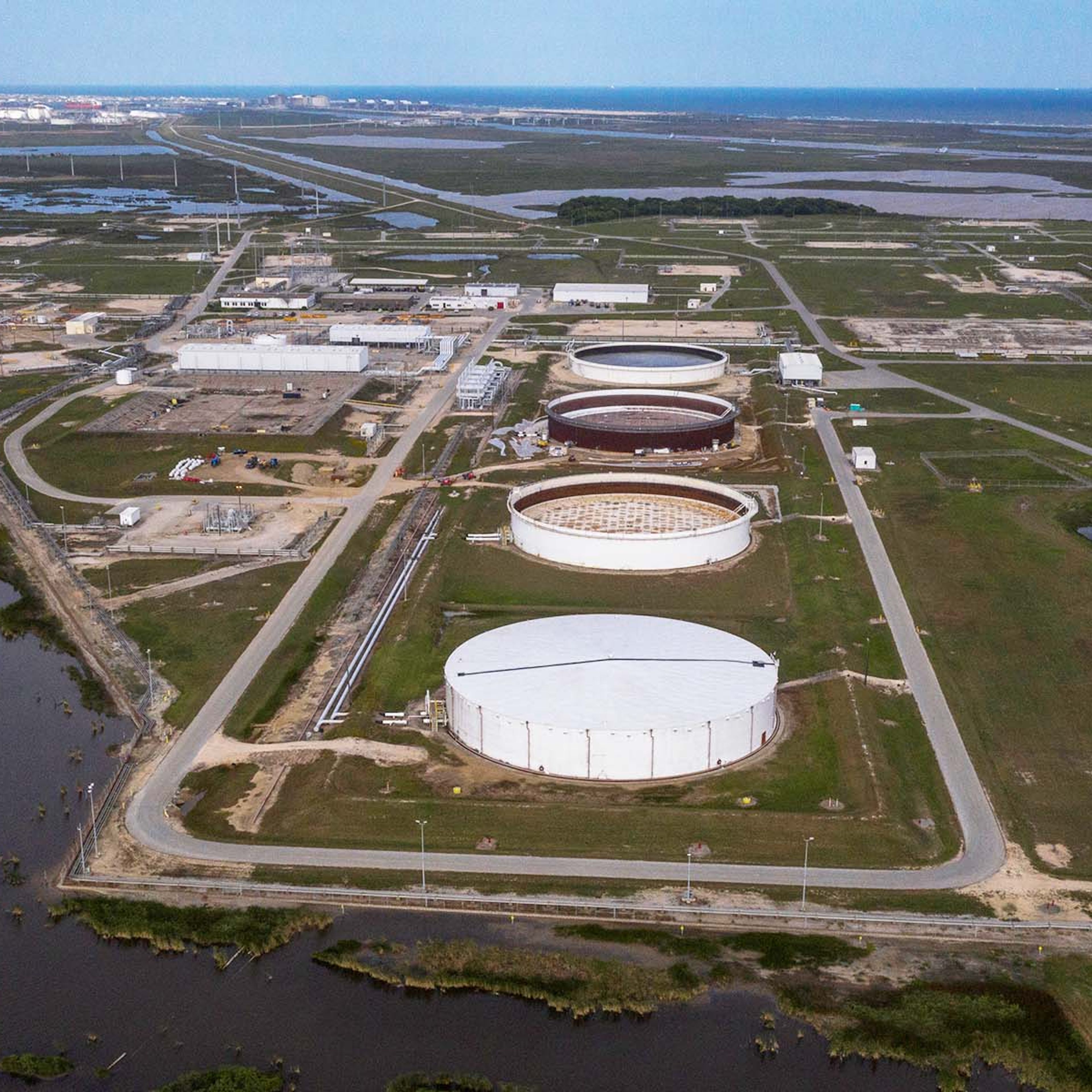
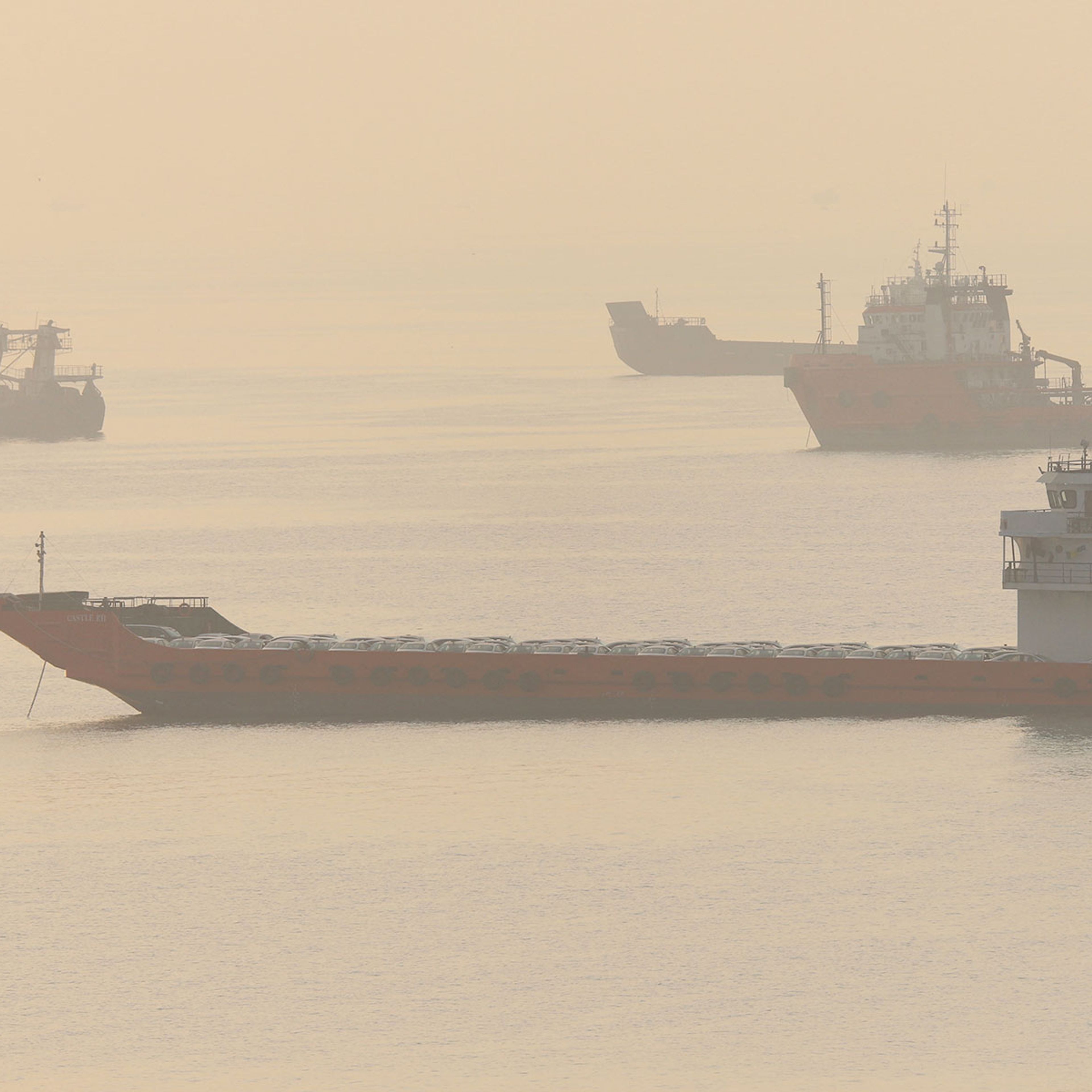
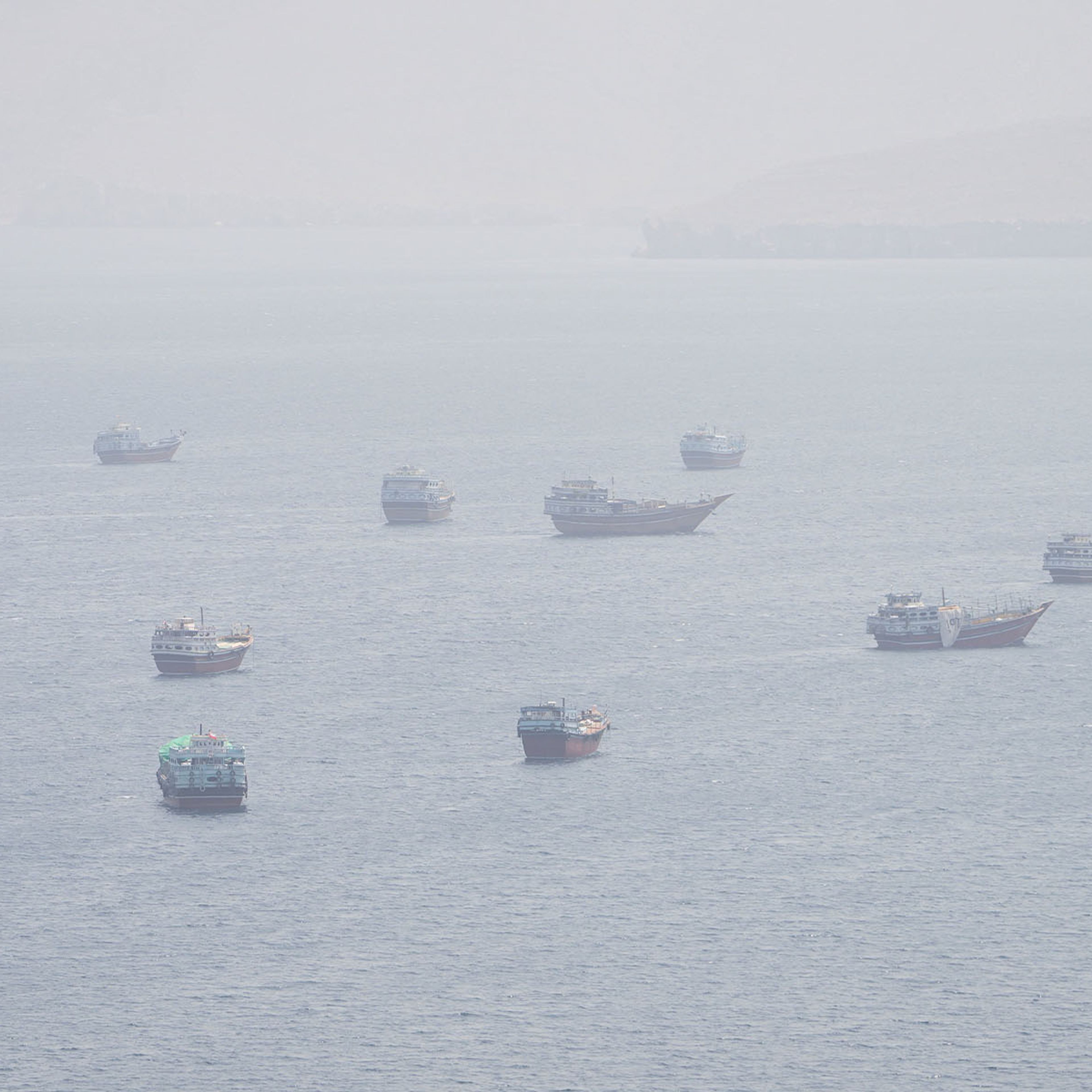
Some policy makers and analysts worry that these emergency stocks are too small. For example, they sometimes compare the American strategic reserve to total American consumption, so the reserves appear dangerously inadequate. The United States consumes about 20 million barrels of oil every day, so the Strategic Petroleum Reserve could only supply the country for 35 days. (Furthermore, the United States could not draw oil out of the reserve at anything approaching a rate of 20 million barrels per day.) This is why President Bush in his 2007 State of the Union address called for doubling the strategic reserve. But this vulnerability is a mirage. The size of plausible disruptions, not total consumption, determines the adequacy of global reserves. The worst oil disruptions in history deprived global markets of five million to six million barrels per day. Specifically, the collapse of the Iranian oil industry during the revolution in 1978 cut production by nearly five million barrels a day, and the sanctions on Iraq after its conquest of Kuwait in 1990 eliminated 5.3 million barrels of supply. If a future disruption were as bad as history’s worst, American and allied governments’ crude oil stocks alone could replace every lost barrel for eight months. Current fears about energy security focus on Iran. For example, Tehran could sharply cut its oil exports to drive up global prices. Of course, this would be the economic equivalent of suicide terrorism: oil exports provide more than 80 percent of Iranian government revenues, and a major cutback would wreck Iran’s economy. It would also be futile because the industrialized world could easily replace Iranian oil. Iran only exports 2.5 million barrels each day. A coordinated release of reserve crude by the United States and its European and Asian allies could replace missing Iranian barrels for a year and a half. Iran is vulnerable; the West is not. Of course, we are told, Iran might be able to take Saudi, Kuwaiti and Iraqi oil off the market, too, by attacking oil tankers as they pass through the Strait of Hormuz, along Iran’s coast. It’s conceivable, but not likely. Significantly impeding oil traffic would require a sustained military campaign. Dozens of tankers carry more than 15 million barrels of crude through the strait every day. The water is so deep that the navigable channel for supertankers is 20 miles wide at its narrowest point. There is simply too much traffic across too much space for the waterway to be easily blocked. Countries have attacked oil infrastructure before, and the results were underwhelming. During the Iran-Iraq war, Baghdad and Tehran struck each other’s oil terminals and tankers repeatedly, but they proved to be very resilient targets. Rugged structures and quick maintenance meant that Iran’s Kharg Island terminal kept pumping despite repeated bombings. Tankers, which dwarf aircraft carriers, have thick hulls designed to prevent oil spills and, when attacked, proved to have few sensitive parts where a “lucky” hit could cause serious damage. They managed to keep the oil flowing through Persian Gulf waters throughout the Iran-Iraq war. Today, Iran has more advanced anti-ship weapons, and it could surely harass commercial tanker traffic. But it would be hard pressed to sustain an anti-shipping campaign sufficient to reduce oil flows drastically for weeks on end, especially in the face of an intense military response. Even if Iran were able to reduce oil flow though the strait by, say, 30 percent, global reserves could replace losses of that magnitude for more than nine months – plenty of time for the Navy to counter Iranian military operations.

Comments