RIO DE JANEIRO (Reuters) – Brazil’s government will propose Monday a new law that will determine how it taps and manages huge crude reserves miles below the ocean’s surface that it sees driving the nation’s rise to developed status.
President Luiz Inacio Lula da Silva is scheduled to present Congress with legislation that will increase the role of the government and state-run Petrobras in the oil fields that could turn Brazil into a major energy exporter.
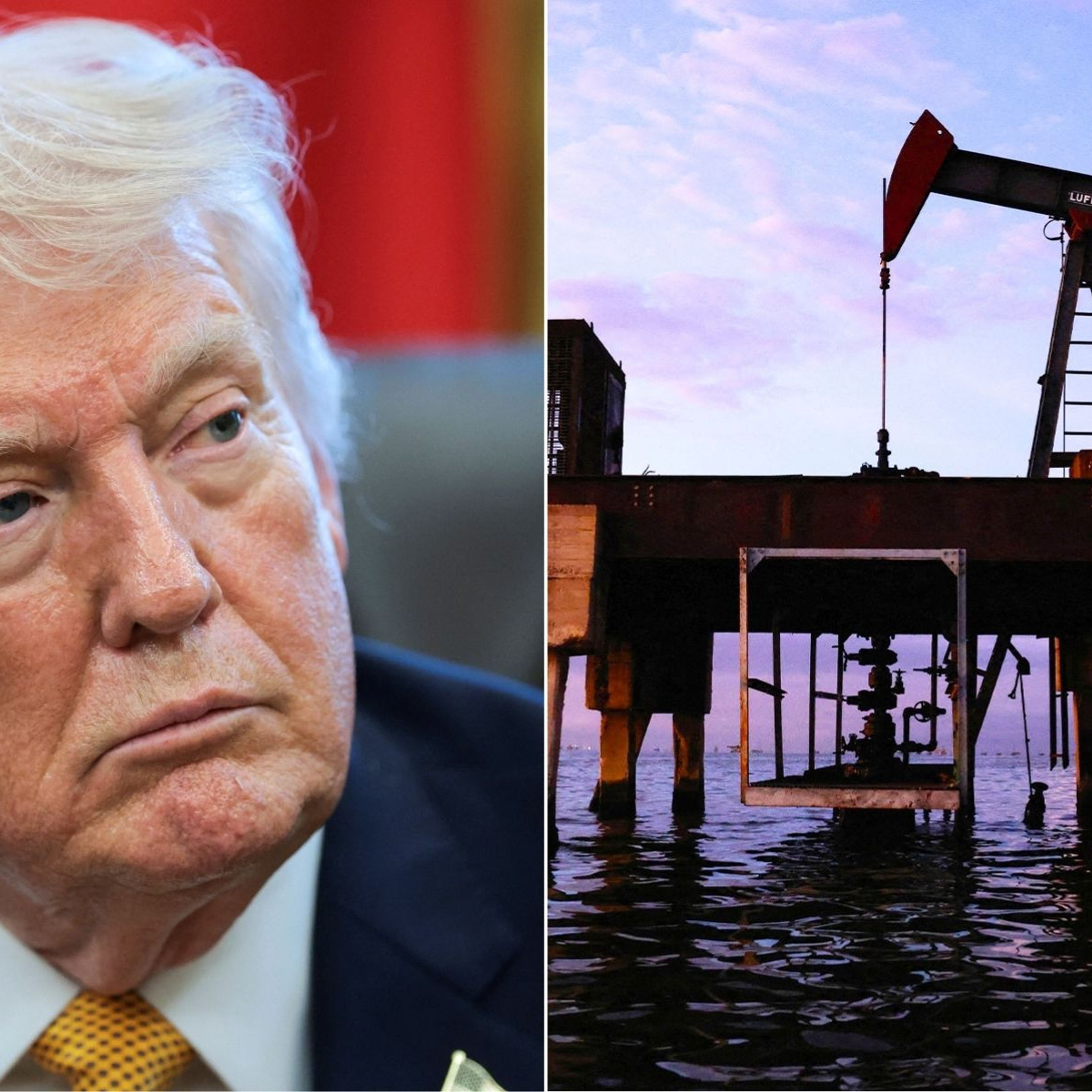
Lula says Brazil needs a new energy framework to keep its fair share of riches from the subsalt area that drew global attention with the 2007 discovery of the Tupi field, one of the world’s biggest finds in a decade that opened a new frontier in petroleum exploration.
Monday’s proposal could fuel a new round of investment in energy output if investors find the terms acceptable. But it could also leave billions of barrels of light crude trapped under the sea if it creates onerous conditions amid lingering uncertainty about world oil prices.
“This legislation is going to be a real milestone — the question is, a milestone in what direction,” said Francois Moreau, a former oil executive who works as an independent energy analyst in Rio de Janeiro.
Lula, a charismatic former union leader who has mixed market-friendly policies with social handouts to guide Brazil to years of prosperity, says the oil is a divine gift that must be used to upgrade the South American giant’s lagging education system and infrastructure.
Government officials have said the proposal will create a new production-sharing system for oil contracts that they say will give Brazil greater control over the estimated minimum of 50 billion barrels in the subsalt fields.
They have also said it will create a development fund for oil revenues and open a new state holding company to manage assets in the subsalt region, so-called because the oil lies under a thick layer of salt deep beneath the ocean floor.
The legislation would also propose that Petrobras, partly privatized but 55 percent controlled by the government, be the sole operator in new subsalt projects with a minimum stake of 30 percent, Energy Minister Edison Lobao recently said.
Lula allies, who have promised not to modify the contracts of projects that are already operating, say the country needs to change the rules because exploration in the subsalt region now has limited risk following the Tupi discovery.




Comments