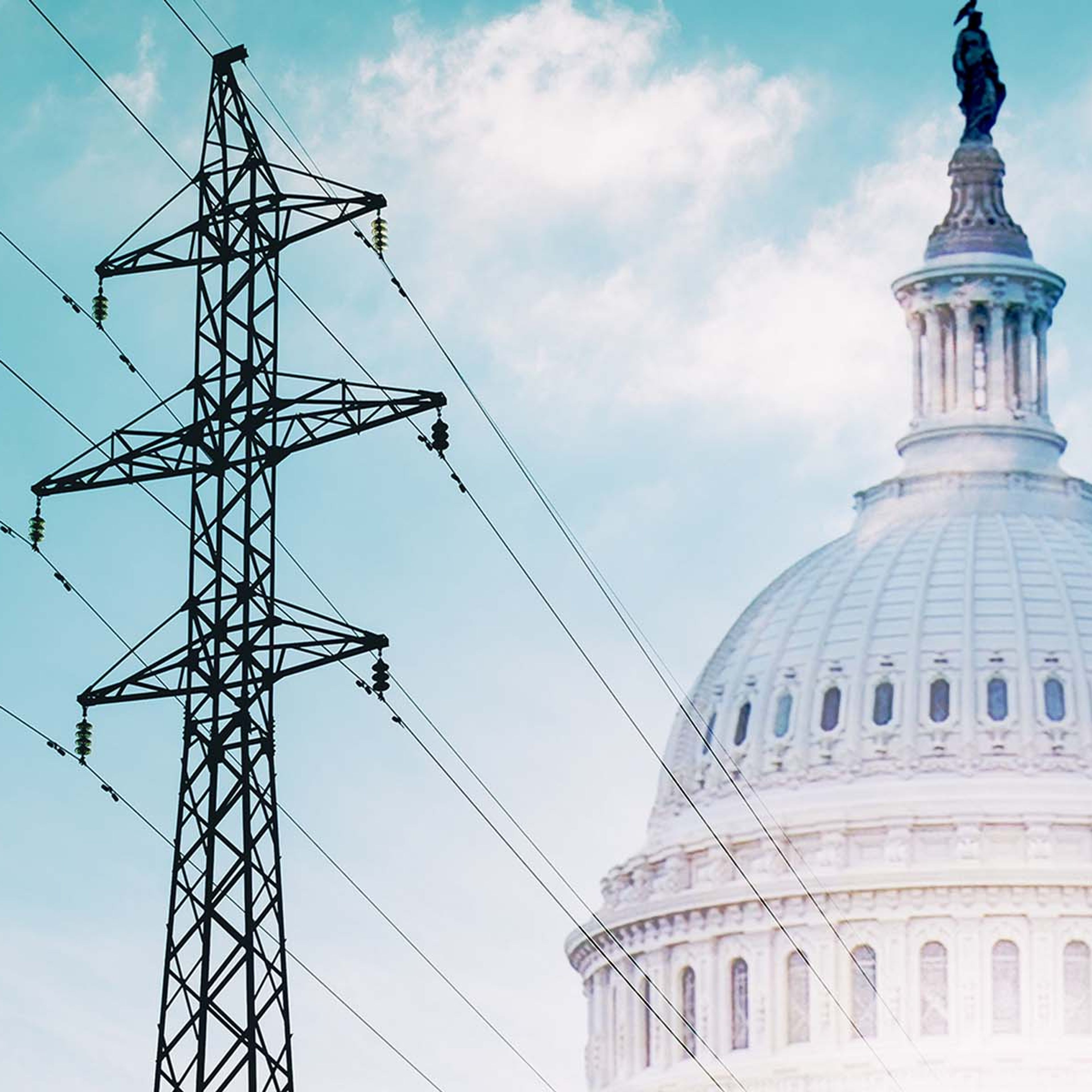
A parallel piece to Obama’s coal-replacing cap-and-trade plan is the nationalization of the electricity grid. In his interview last week with MSNBC’s giddy Rachel Maddow, Obama discusses his master plan for a “whole new electricity grid.”
One of, I think, the most important infrastructure projects that we need is a whole new electricity grid. Because if we’re going to be serious about renewable energy, I want to be able to get wind power from North Dakota to population centers, like Chicago.
But, it’s huge projects that generally speaking, you’re not going to have private enterprise would want to take all those risks. And we’re going to have to be involved in that process.
Obama’s vision dovetails with T. Boone Pickens’ multi-million-dollar lobbying campaign to legislate energy corridors — replicating Eisenhower’s interstate system and historic use of eminent domain authority — in order to route electricity from Middle America’s “Saudi Arabia of wind” to big energy consumers on the coasts (as well as metro areas like Chicago).
A statist vision? Or an interstate system creating new efficiencies? The idea has advocates across the political spectrum, from New Mexico Gov. and former energy secretary Bill Richardson to the Manhattan Institute’s Peter Huber. Says Richardson: “We still have a third-world grid. With the federal government not investing, not setting good regulatory mechanisms, and basically taking a back seat on everything except drilling and fossil fuels, the grid has not been modernized, especially for wind energy.”
Huber concurs:
We could gain as much again by building a high-voltage, continent-spanning backbone grid to establish a single national U.S. market for electricity. This would also unleash domestic capital, labor, and ingenuity in the one energy market that stands a good chance of cutting us loose from foreign oil suppliers. . . . The backbone will cost $75 billion to build.
But if Obama wants to try that path, he should be ready for a hard, bloody battle. Why? Because, says Kevin Kolevar, the Energy Department’s Assistant Secretary for Electricity Delivery and Energy Reliability, nationalizing the grid “assumes two things: Broad unanimity among federal legislators agreeing that we need nationalization and that the feds have the ability to follow through. Neither is true.”
The fact is, continues Kolevar, “regulation of the grid is the province of the states.” States and utilities are jealous of their grid systems and for good reason — because they utilize local resources and because lines are privately owned.
To realize an interstate transportation system for electricity, Obama would have to bulldoze powerful local and private interests. Concludes Kolevar: I don’t see a chance of federal control over the grid anytime soon. The states have that authority and it’s not in their best interests.”




Comments