Detroit, Mich. — Sen. Debbie Stabenow (D., Mich.) has found a seat at the table on the Senate Energy Committee so she can negotiate an anti-industry cap-and-trade bill that promises to serve her industrial state for lunch. But such a position quickly leads to philosophical incoherence — as Stabenow unknowingly illustrated in an appearance before the Detroit News editorial board this week (see previous posts here and here). Here are a few of the puzzling details:
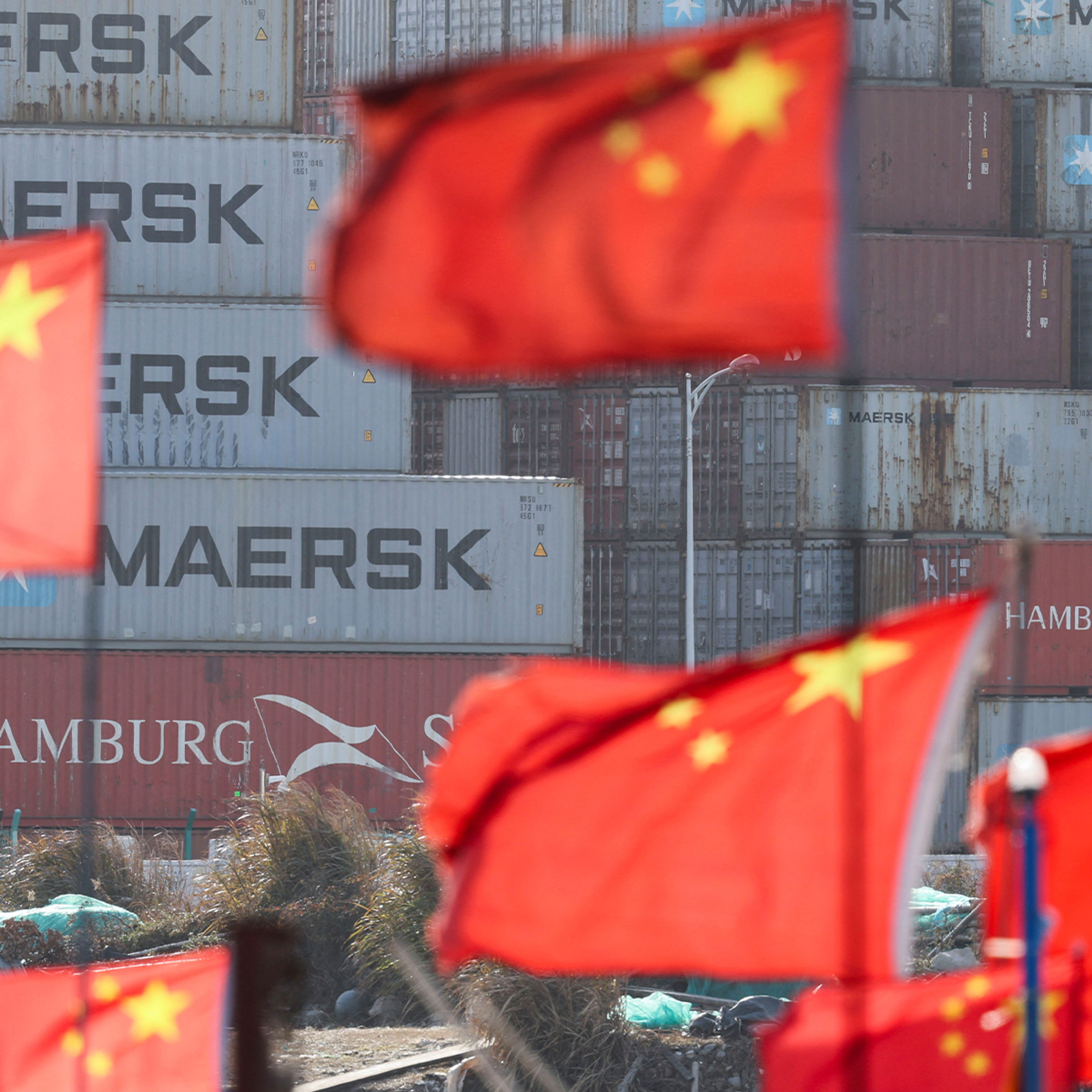
On China and India. While Stabenow denied that cap-and-trade would raise manufacturing costs, she also expressed the fear that Michigan and the Midwest would hemorrhage jobs to China and India unless those countries also signed on to an international carbon cap.
So, uh, which is it?
What’s more, Stabenow has ideas to make a carbon cap even worse for the U.S. economy: If India and China don’t follow our lead in shooting themselves in the foot, Stabenow advocates punitive tariffs on goods made in those countries. But wouldn’t igniting a trade war with our largest trading partners — in the midst of one of the worst economic downturns since the Great Depression — be irresponsible?
“There has to be a way to enforce it,” she said, dismissing the lessons of Smoot-Hawley. “I want to protect American jobs. We must create a level playing field. No other country puts up with what we do on free trade.”
Umm . . .
On the market for electric cars. With the huge windfall in carbon taxes from Midwest utilities, Stabenow claims a jobs boom can be created by investing those monies into Michigan-based auto-battery research and production. She says a similar industrial policy in Japan guaranteed Toyota’s leadership in bringing high-mpg hybrid electric cars to market. “We finally have a president who understands that,” she said.
But that innovation was driven by Japan’s high gas prices, which run nearly triple those in the U.S. Without such a market signal in the U.S., isn’t it likely that the billions in federal battery spending that Stabenow envisions will be wasted — as buyers continue to resist high-cost alternatives to gasoline-powered vehicles? (Aside from the fashionably limousine-green Prius, hybrid sales are a small — and declining — share of the U.S. market.)
So, to realize her bold vision of a 21st century green economy, would the senator advocate a tripling of the federal gas tax?
“I would not advocate that given what the middle class in this country is going through,” Stabenow responded.
So, without incentivizing Americans with higher gas costs, what will motivate us to buy expensive hybrids?
“The high costs of not doing so,” she said.
Gaaah . . .
Washington greens, incoherence is thy master.





Comments