A new congressional report outlining the “harmful impact” to Arizona’s water supplies from concentrated solar operations has stirred debate over the degree to which solar energy development can proceed in portions of the arid Southwest.
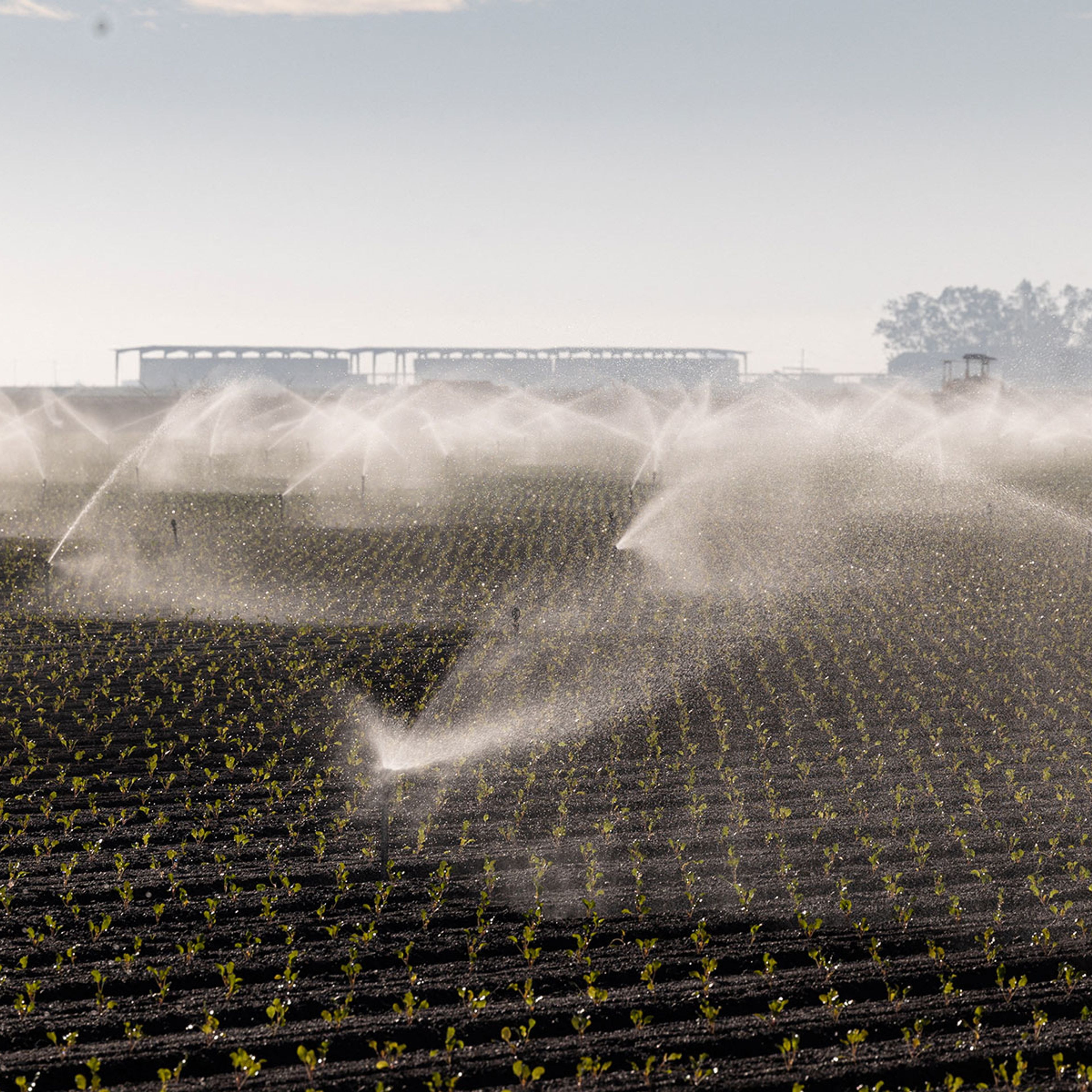
The conclusions in the 21-page policy report, compiled by Sen. Jon Kyl (R-Ariz.) and his staff, focuses on concentrating solar power (CSP) technology, which in most cases requires significant volumes of water to wash solar panels and cool equipment.
“Arizona lawmakers have an obligation to protect the state’s limited water supply and put its water resources to their highest and best use,” the report states. “Using Arizona’s water supplies to produce conventional CSP that will most likely be exported out of state does neither.”
Yet despite the environmental risks, Kyl and his staff say proponents of the renewable energy technology have continued to press for building more solar plants in the desert. “Despite the seriousness of [the state’s] water constraints, solar power companies have largely ignored water concerns and continue to propose water-intensive conventional CSP plants in Arizona.”
The policy report, which stunned both the solar power industry and policymakers, comes as the Obama administration pushes for a significant expansion of renewable energy nationwide, including in Arizona’s Sonoran Desert region, which ranks second only to the Mojave Desert in the number of proposed solar power projects.
The Bureau of Land Management is reviewing 33 solar power plant applications in Arizona covering 452,000 acres of federal land, mostly in the south and southwest sections of the state, according to a review of government data.
Of those proposed plants, 29 would use some form of CSP technology. That includes the state’s only “fast-track” solar project — Boulevard Associates LLC’s proposed 375-megawatt Sonoran Solar Energy Project on 13,440 acres of federal land in Maricopa County. Fast-tracked projects must be permitted and underway before the end of 2010 to qualify for lucrative federal economic stimulus grants.
In addition, at least 10 applications have been filed with the Arizona State Land Department for CSP plants on state-owned land, according to Kyl’s report.
“A majority of the land that has been identified as having the most solar energy potential is also located in some of the most water challenged parts of the state,” the report states. “Not all of those projects will be constructed, but the potential impact on water resources is alarming.” Differing opinions.
And yet again we are reminded that there is no free ride with any energy source.



Comments