Reader Paul offers a corrective to the solar-power-from-space discussion:
While I share the widespread skepticism regarding PG&E’s plans to purchase electricity generated by a Solar Power Satellite System (SPSS), the issues raised by your correspondent James were resolved over 30 years ago, back when I last worked on a NASA SPS design study at Grumman (Peter Glaser of A.D. Little, who originated the concept, was a consultant).
While it is true that most SPSS designs rely on a vehicle in GEO, it is neither necessary nor desirable to assemble the satellite there. The concepts that I’ve seen assume that the PowerSat is assembled in Low Earth Orbit (LEO) and then transferred to GEO using on-board electric propulsion, which provides relatively low thrust with incredibly high efficiency, and can be powered by a portion of the PowerSat’s output.
James’ concern regarding the effect of the beam on other satellites (or aircraft) is also misplaced. Power would be transmitted to Earth using a low density microwave beam using a frequency that does not interact with atmospheric water vapor (the opposite of the microwave-oven effect). The flux imposed on LEO spacecraft transiting the beam is trivial compared to other space environment concerns. At the receiving end, the beam is converted to electrical power using a rectifying antenna (rectenna) a mile or more in diameter. The power beam can only be transmitted when the SPS is locked on to a phase signal transmitted form the ground site — if the SPS loses lock, the beam can not be formed (so there is no chance of a wandering beam frying random cities).
The study I worked on envisioned using the surface below the rectenna for farming or light industry, since energy levels below the rectenna would be quite low — NASA and DoE have actually performed a number of experiments verifying the feasibility of this type of power transmission.
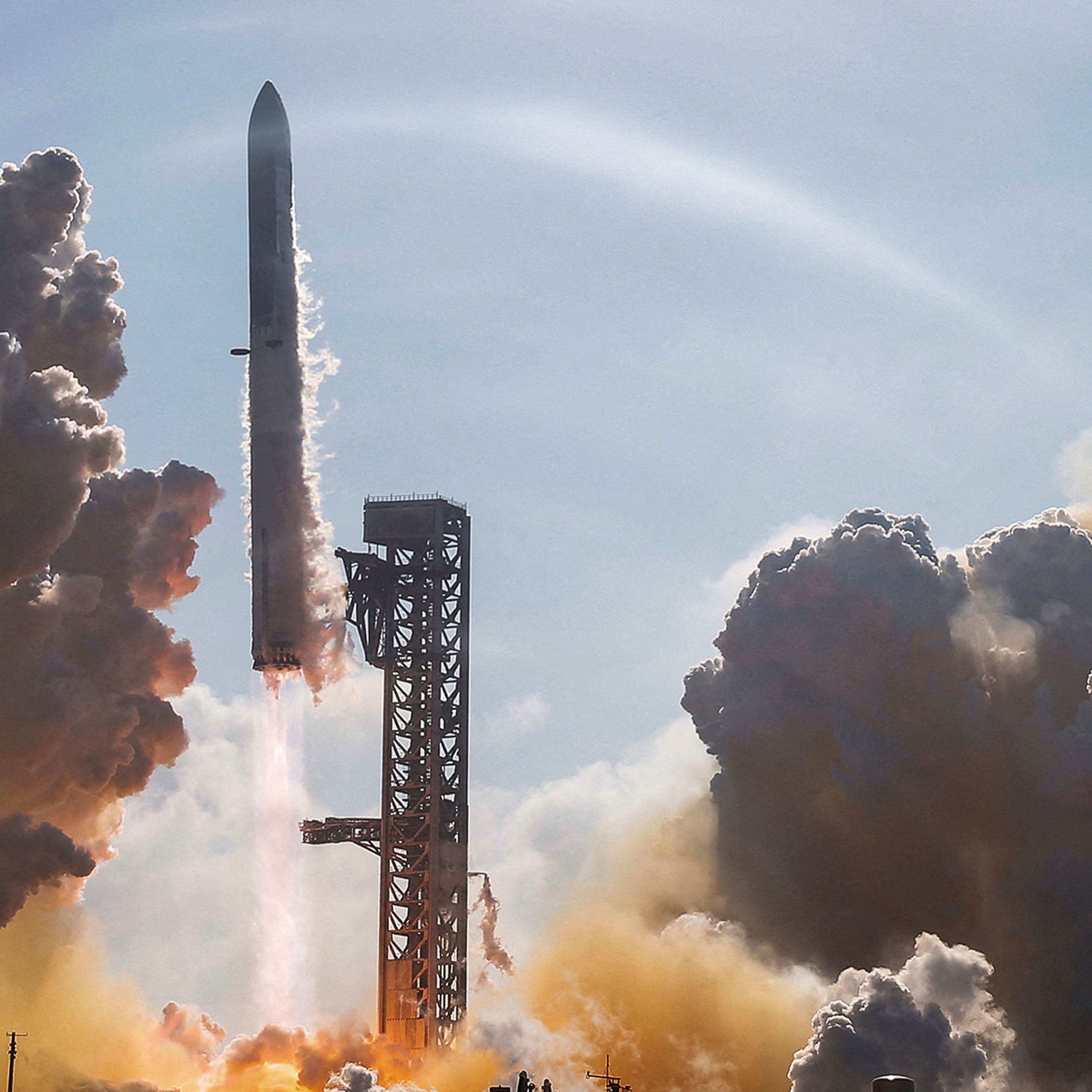
All that being said, launch costs remain the achilles heel of any SPS concept. The mass involved in a 5 GWe satellite is not outrageous when considered on an industrial scale (comparable to a supertanker) but none of the designs I’ve seen could produce power at competitive rates without a massive reduction in cost to LEO.
Solaren claims that they’ve come up with a radically new approach that obviates the launch cost issue. If they have, I think we’d all cheer them on, but it’s not clear that engineering and economic realties have left them a loophole.


Comments