
Jay Cost is a visiting fellow at the American Enterprise Institute and the Center for Faith and Freedom at Grove City College.
Constitutionally Speaking
Jay Cost and Luke Thompson make the case that all Americans should study the Constitution.
Episode 43: Constitutional Moments: Last Treaty in Paris
Jay and Luke discuss the foreign crisis of 1793 to 1795 and its impact on the development of executive power.
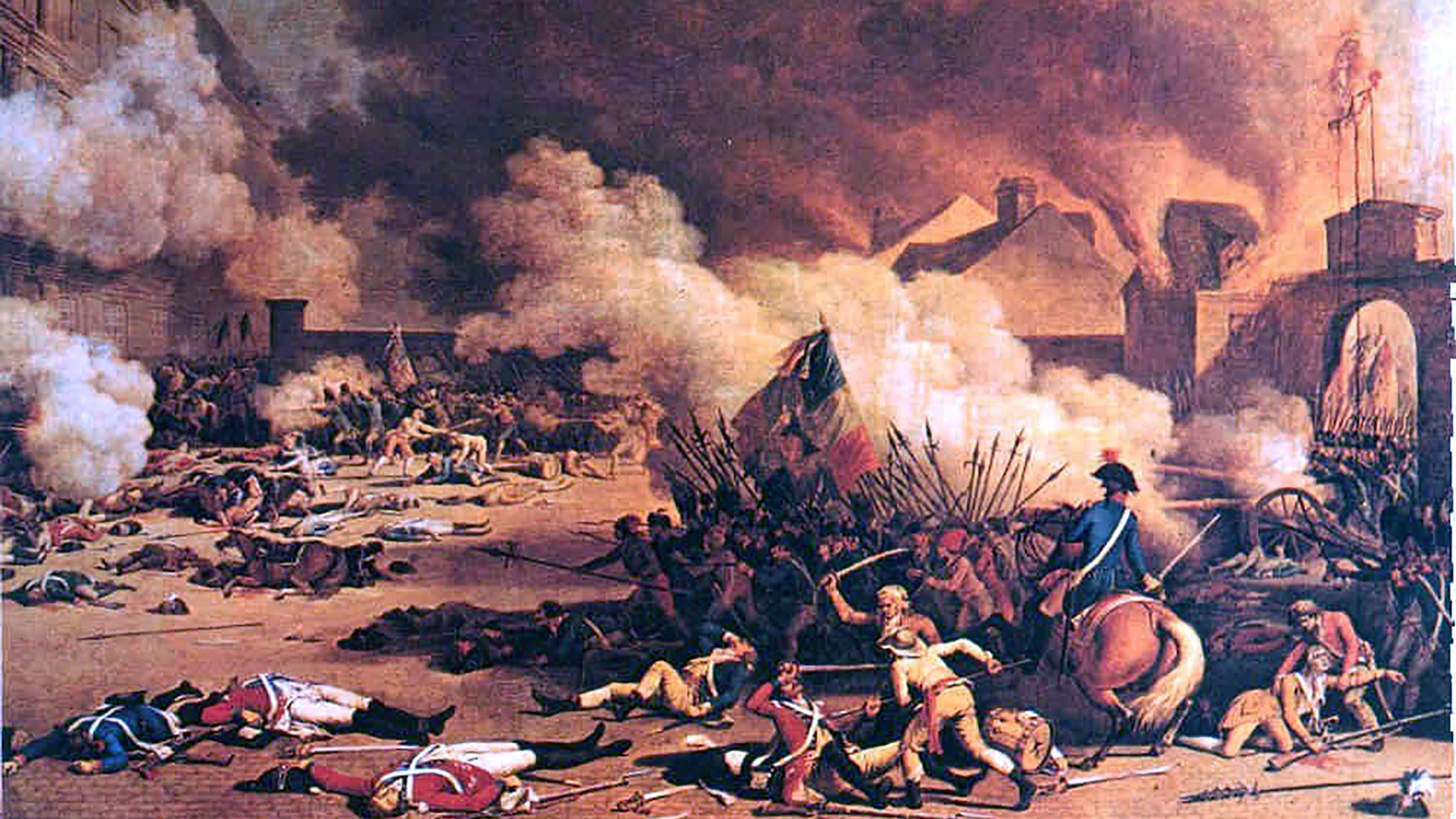
In this episode of Constitutionally Speaking, Jay and Luke discuss the foreign crisis of 1793 to 1795 and its impact on the development of executive power. After the execution of Louis XVI in 1793 triggered a war between Great Britain and France, the United States was caught in the middle — Britain was its number-one trading partner while France had been its ally in the War for Independence. President George Washington quickly addressed the question with the so-called “Neutrality Proclamation,” which declared that the United States would remain impartial. In 1794-95, Secretary of Treasury Alexander Hamilton circumvented his congressional opponents by securing John Jay as a special envoy to negotiate a controversial treaty with Britain.
In both cases, we see how executive vigor could profoundly affect the balance of power between the branches. The Constitution gives both the Congress and the president authority of foreign affairs. But because the president is a single person, he can act with a dispatch and energy that a large body like the legislature cannot. As a consequence of the events of 1793-95, executive power over foreign affairs was expanded at the expense of legislative power.

Mr. Thompson is a Republican political consultant.
Comments
On “Episode 43: Constitutional Moments: Last Treaty in Paris”