Scot Bertram is the co-host of the Political Beats podcast at National Review. He also serves as a lecturer in journalism and general manager of the student-run radio station at Hillsdale College.
Political Beats
Scot Bertram and Jeff Blehar ask guests from the world of politics about their musical passions.
2:41:06
The Cure, Pt. II
Scot and Jeff discuss the second part of The Cure’s career (1985 to the present) with Derek Wilczynski.
Scot and Jeff discuss the second part of The Cure’s career (1985 to the present) with Derek Wilczynski.
Introducing the Band:
Your hosts Scot Bertram (@ScotBertram) and Jeff Blehar (@EsotericCD) are joined by guest Derek Wilczynski. Derek is a Michigan attorney with a trial practice, as well as treasurer for the Macomb County Republican Party.
Derek’s Musical Pick: The Cure.
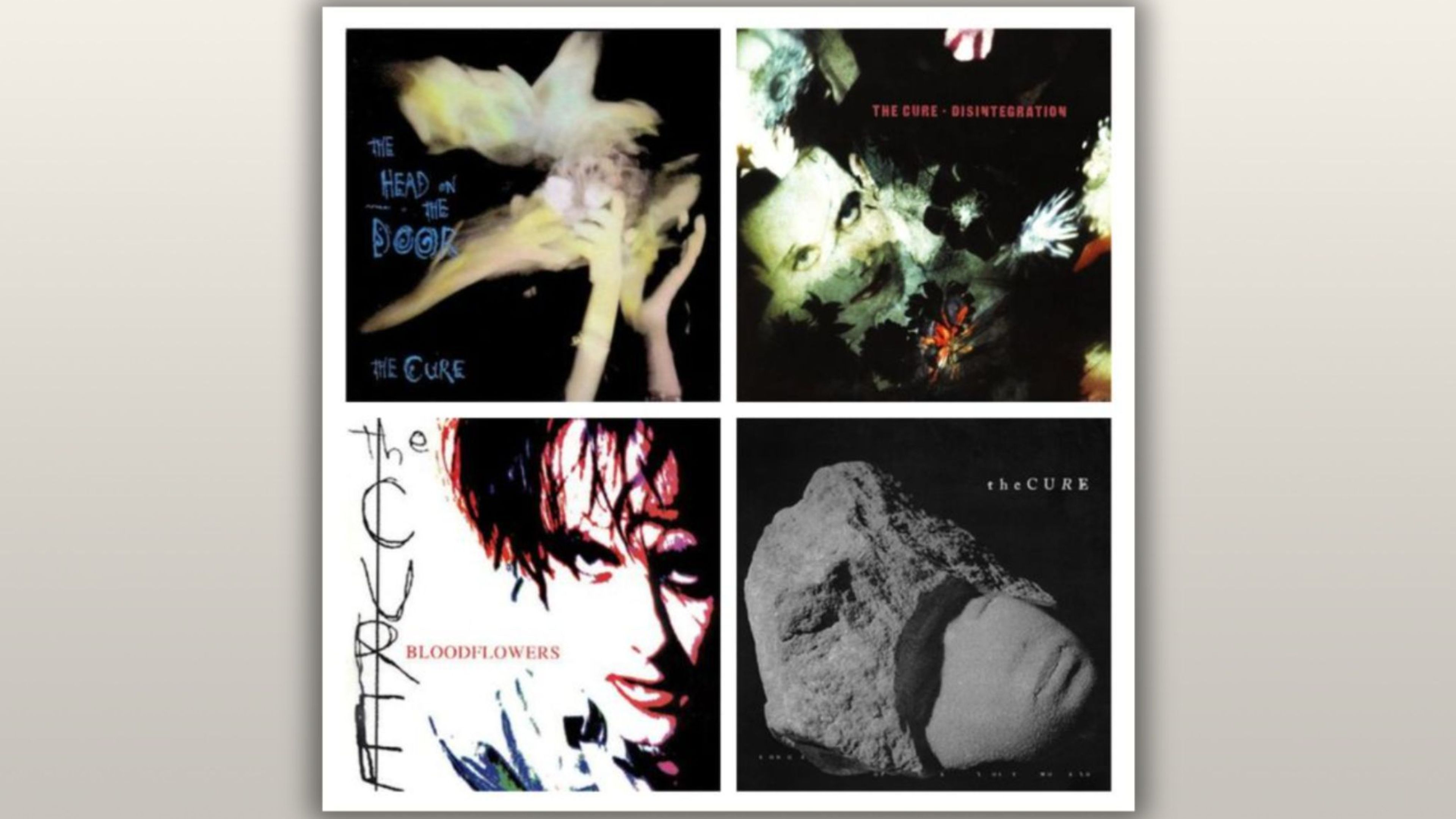
What are those unexpected rays of sunshine beaming down through the gray cloud cover? Yes, it’s the second part of The Cure’s career, one which continues onward to the present day! 1985 was a rebirth for The Cure in many ways, with the formation of a stable lineup in both the studio and in concert, and it was heralded by The Head on the Door, the album which first got The Cure radio attention in the United States. 1987’s tangled double album Kiss Me, Kiss Me, Kiss Me maintained Robert Smith’s desire to balance flashy, radio-ready pop hits with funereal dirges, but in many ways, The Cure really only fully came into their own in 1989, with the thickly layered, resplendently pretty sonic gloom of Disintegration.
At that point The Cure had made the full journey, from scrappy postpunk minimalism to selling out Wembley Stadium several nights in a row. And while Smith and his gang followed that success up with another record nearly as triumphant (1992’s Wish), he disliked the impersonal nature of playing concerts that large, and suspected the moment would pass. Once it did, Smith proved to age as gracefully as anyone in rock music as a songwriter: Bloodflowers was a minor triumph that set the tone for The Cure’s latter-day albums, which maintain the by-now classic musical density of The Cure’s normal approach while continuing to find new pop hooks. The Cure may be getting up there in years, but there’s still time to catch the fever yet.
Jeffrey Blehar is a National Review staff writer living in Chicago. He is also the co-host of National Review’s Political Beats podcast, which explores the great music of the modern era with guests from the political world happy to find something non-political to talk about.
Comments
On “The Cure, Pt. II”