Our Carl Eric Scott has published quite an authoritative and provocative article on the various ways Americans understand liberty. As you can see, there’s nothing about American political thought that Carl doesn’t know, and nobody has done better in reminding us that we’re not a people who keep things simple.
When I got the article, I quickly looked for something about me. Well, there is. I’m all for keeping Locke in the “Locke box.” That means using the (classically) liberal philosopher as our guide when it comes to government (limited, representative, and powers separated) and the economy (protection of property, liberating the creative energy of the industrious and rational, personal sovereignty through contract and consent, free market grounded in money, etc.) but remaining vigilant about not allowing relational life to be distorted through reducing all personal interactions to contract and consent. Our Founders, we often forget, attempted to keep Locke in the Locke box with federalism, localism, and legislative deliberation only rarely trumped by the high principle of judicial review.
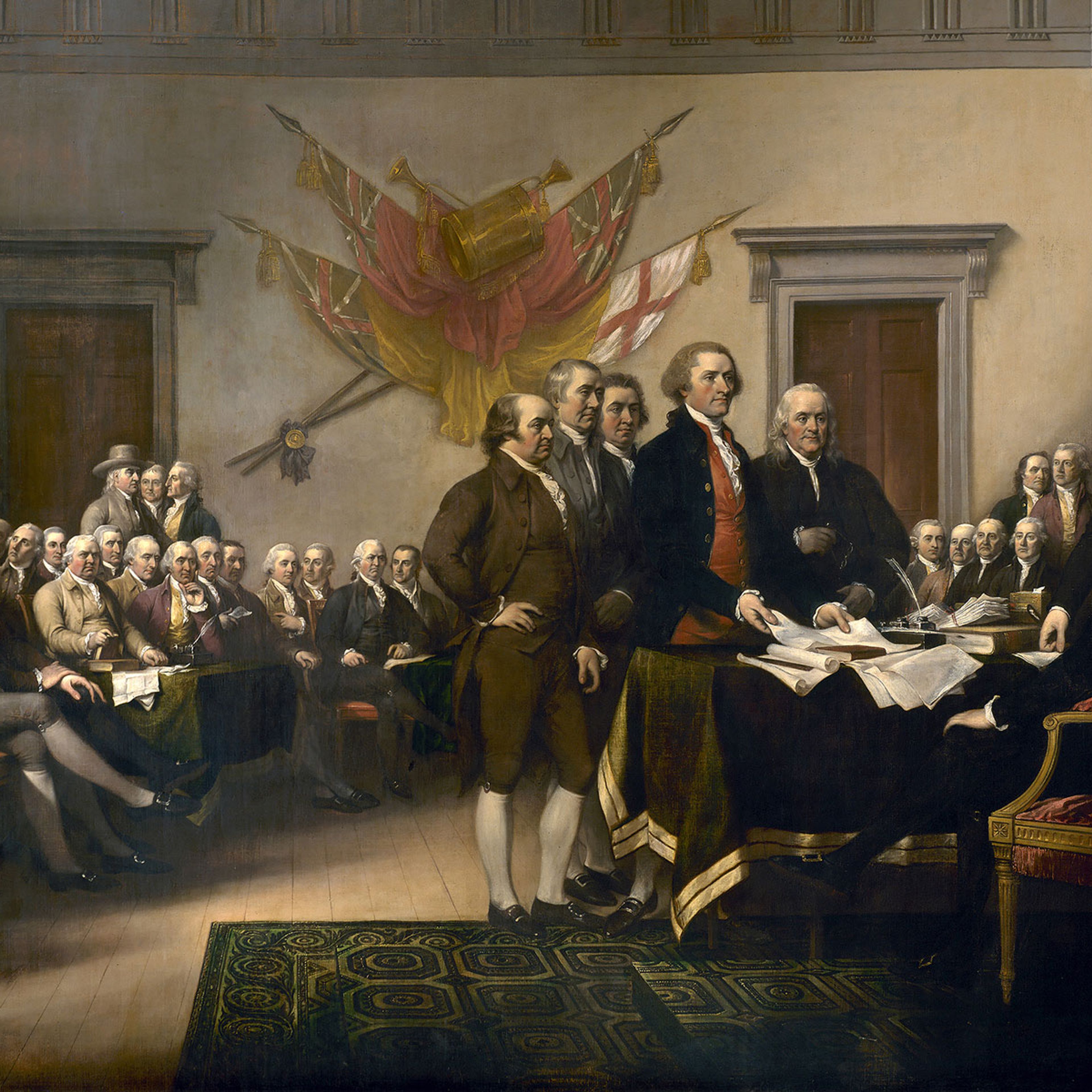
Of late, I’ve concluded that Locke got things half right. He did well — and highlighted part of our Christian inheritance — by regarding all of us as free beings or not reducible to parts of a country (civil theology) or parts of nature (natural theology). He erred by not seeing that the free person is necessarily relational. His error is displayed in his Deism, which presents a “past-tense” Creator who has no relationship with other persons.That error was corrected or at least mitigated by the members of Congress who amended Jefferson’s Lockean draft of the Declaration of Independence. “Nature’s God” morphed into a providential and judgmental God, a living, giving, relational Creator. The Declaration’s free and relational theology was the result of a legislative compromise between Americans holding different views of liberty. Carl’s great article points in the direction of more such astute compromising today.





Comments