Greetings from Austin!
I spent a good chunk of last week at a fascinating conference sponsored by the Social Trends Institute on declining fertility rates in the developed world, and I will write more about that subject in this space.
I’ve received some pointed criticism about a short essay I wrote for Time.
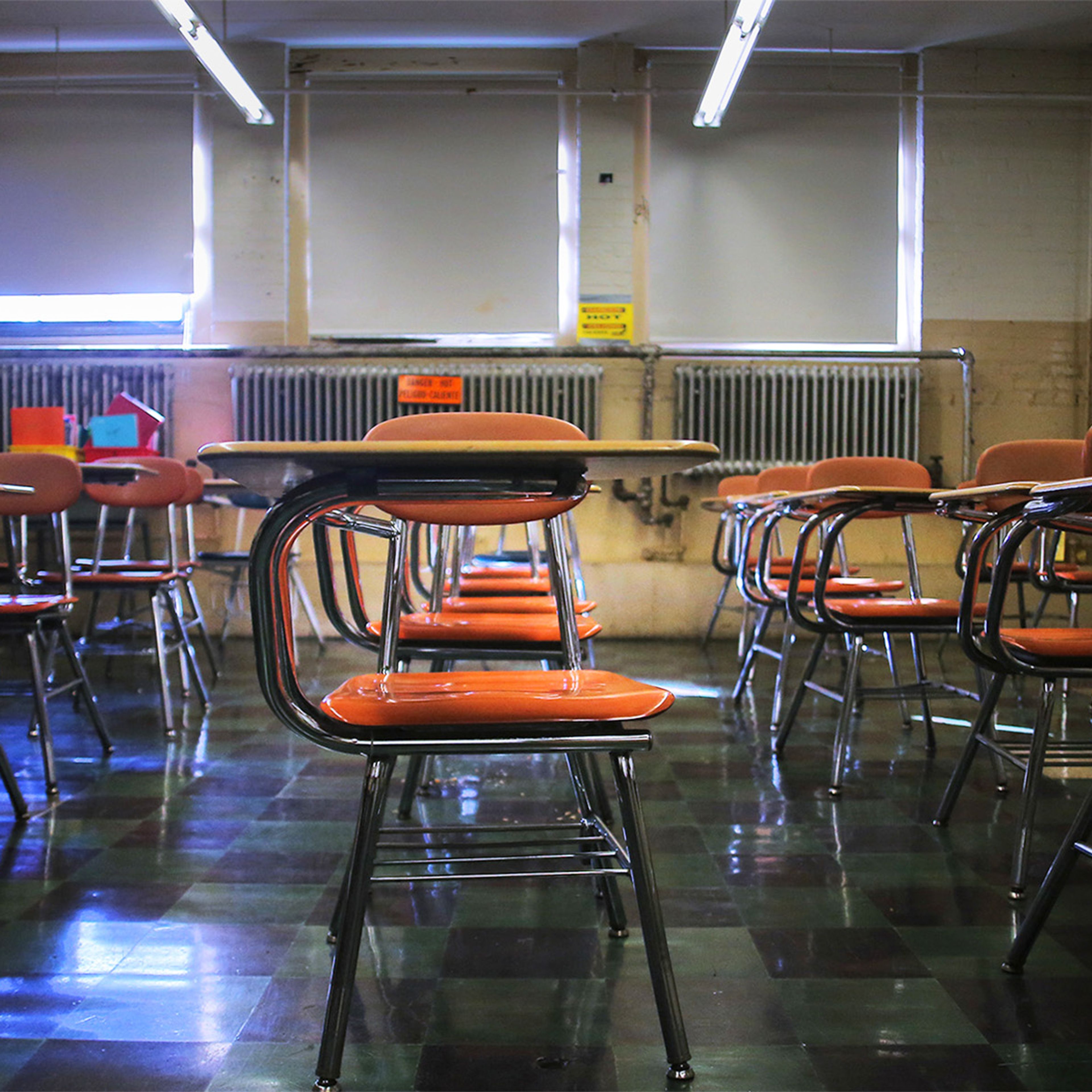
Middle-class kids are taught from an early age that they should work hard and finish school. Yet 3 out of 10 students dropped out of high school as recently as 2006, and less than a third of young people have finished college. Many economists attribute the sluggish wage growth in the U.S. to educational stagnation, which is one reason politicians of every stripe call for doubling or tripling the number of college graduates. But what if the millions of so-called dropouts are onto something? As conventional high schools and colleges prepare the next generation for jobs that won’t exist, we’re on the cusp of a dropout revolution, one that will spark an era of experimentation in new ways to learn and new ways to live. It’s important to keep in mind that behavior that seems irrational from a middle-class perspective is perfectly rational in the face of straitened circumstances. People who feel obsolete in today’s information economy will be joined by millions more in the emerging post-information economy, in which routine professional work and even some high-end services will be more cheaply performed overseas or by machines. This doesn’t mean that work will vanish. It does mean, however, that it will take a new and unfamiliar form.
The argument I keep hearing is that high school and college dropouts are doomed to economic obsolescence, and that to suggest otherwise is to trivialize the challenges they face. I disagree. My sense is that high dropout rates persist because our schools haven’t proven sufficiently flexible in the face of changing economic and cultural realities, which is the main reason why I support experimentation in this space. Some experiments will fail. But those that succeed need to be given the room and the resources to expand.
And more broadly, this is my gut instinct about the American future: we will either rediscover our constitutional roots as a highly decentralized federal republic and revive our capacity for community self-help, or we’ll continue to evolve into a brittle, highly atomized society that looks to the center for increasingly expensive, intrusive, and unsustainable ways of meeting our wants.
John Robb, a thinker I greatly admire, has very persuasively made the case for building alternatives to The Way We Live Now.
The idea that something new is possible is spreading. Most favorably, it is giving rise to a new type: the cultural entrepreneur.
Rather than dedicating their lives to gaining political power, which they tend to see as a dead end, these cultural entrepreneurs are demonstrating that we can do better than just “reform” broken institutions by bribing powerful players. We can build bottom-up solutions that are self-evidently superior to the status quo — and in doing so we can create change without coercion.
Instead, this effort is about competition. It is to build new social and economic systems that can compete with the current political and economic monopolies and if successful, force them to compete in order to stay relevant. It’s about building something new from the ground up, a start-up culture of independence and sanity, that attracts better participants and delivers more results than any other alternative.
The burning political question is why we allow existing power structures to squelch this kind of competition, and why so many of us buy it when politicians declare war on WellPoint on behalf of Aetna and call it populism.
This is one reason why the right must emphasize decentralization and the discovery process over offering movement conservative versions of the centralized solutions offered by the left and the center.




Comments