
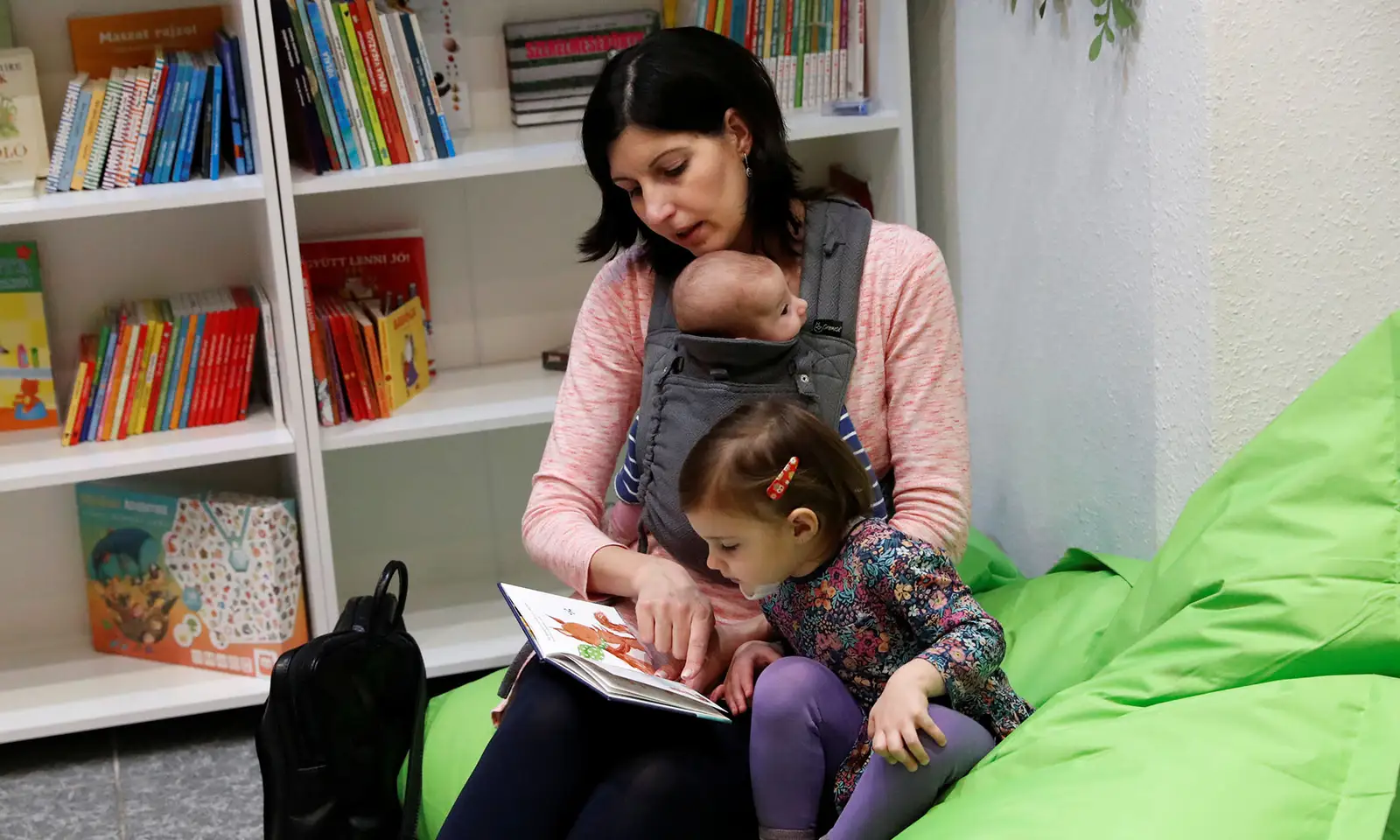
Under the Democrats’ COVID bill, most American parents will be receiving $3,000 per child this year, or $3,600 for kids under six. The money started going out last month; it’s paid in a combination of regular installments and a lump sum at tax time. And there’s a push to extend these payments through the massive bill the party is working on through the reconciliation process, with an eye toward making them a permanent feature of the tax code.
It’s a big change from the Republicans’ 2017 tax law, under which the child tax credit maxed out at $2,000, was paid only once a year, and was not fully “refundable.” Non-working parents didn’t get it at all, and it slowly “phased in” once parents made more than $2,500. The new amount is much higher, and the phase-in — designed to make sure the credit encourages work — is gone.
As I’ve noted many times in the past, these kinds of policies deeply divide the Right. Some see them as a pro-family way to help parents and reduce poverty; some think they’re a worthy counterbalance to some ways that the tax system discriminates against parents; and some worry that these payments, especially when they don’t come with work requirements, can discourage employment, bringing back “welfare as we knew it.” I myself have suggested a cautious approach to expanding the credit.
This week, the Bipartisan Policy Project has a new report that tries to thread the needle a bit.
Under the group’s proposal, the credit would rise to $2,200 (or at least rise relative to the pre-COVID status quo), but only $1,200 of that would be fully refundable; to get the full amount, parents would have to work. For kids under six, both numbers would increase $600. And to control costs, the credit would start “phasing out” earlier for wealthier parents: The phaseout would begin at $150,000 for single parents and $200,000 for couples, rather than $200,000 and $400,000 under the 2017 law. Meanwhile, the proposal would also beef up the earned-income tax credit to encourage work, and take more enforcement measures to stop credits from being given out improperly.
The earlier phaseout would hit the politically powerful upper-middle class, and the fact that the phaseout threshold doesn’t double for couples would impose a marriage penalty. (Two single parents earning $150,000 apiece would get the full credit, but they’d be subject to the phase-out if they married.) More broadly, there’s a tension between trying to target money at poverty reduction, versus trying to make things easier for parents across the board, and this proposal favors the former more than the status quo does.
Overall, though, this is a middle ground worth considering. Also worth checking out: Scott Winship on alternatives to no-strings-attached child allowances.






Comments
On “Seeking a Middle Ground on the Child Tax Credit”