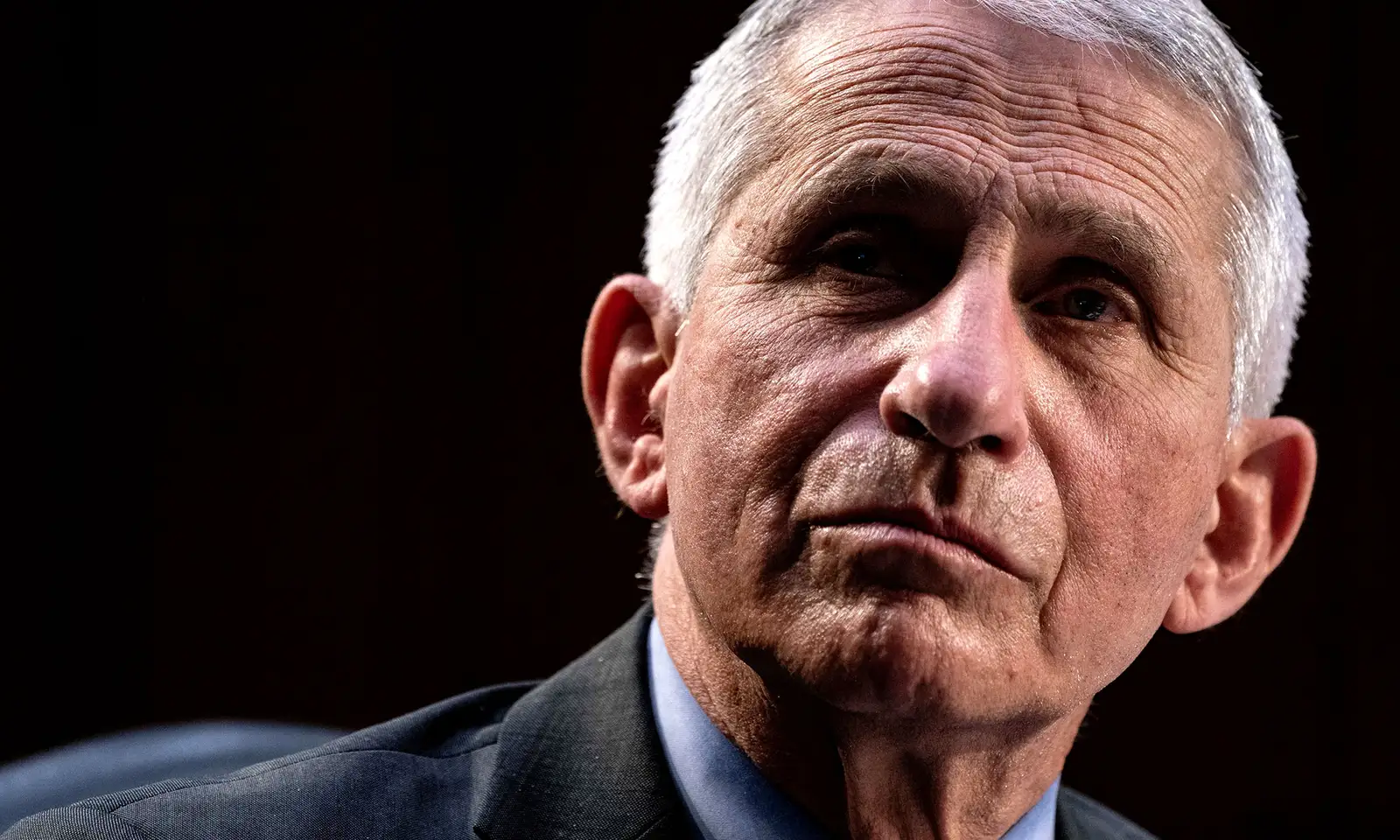
You might have noticed that Dr. Anthony Fauci is doing a mini media tour this week to celebrate his forthcoming retirement as director of the National Institute of Allergy and Infectious Diseases (NIAID). He’s commemorating the big moments in his life, the big calls he made during the pandemic, and telling the haters they’ve got him all wrong.
In a recent interview, he talked up “the Fauci effect.” It’s the increase of applicants to medical schools. Fauci explained: “People go to medical school now, people are interested in science — not because of me, because most people don’t know me, who I am. . . . It’s what I symbolize.” And what is that? Fauci explained: “And what I symbolize in an era of the normalization of untruths and lies, and all the things you’re seeing going on in society, from January 6th to everything else that goes on — people are craving for consistency, for integrity, for truth, and for people caring about people.”




Comments
On “The Fauci Effect”