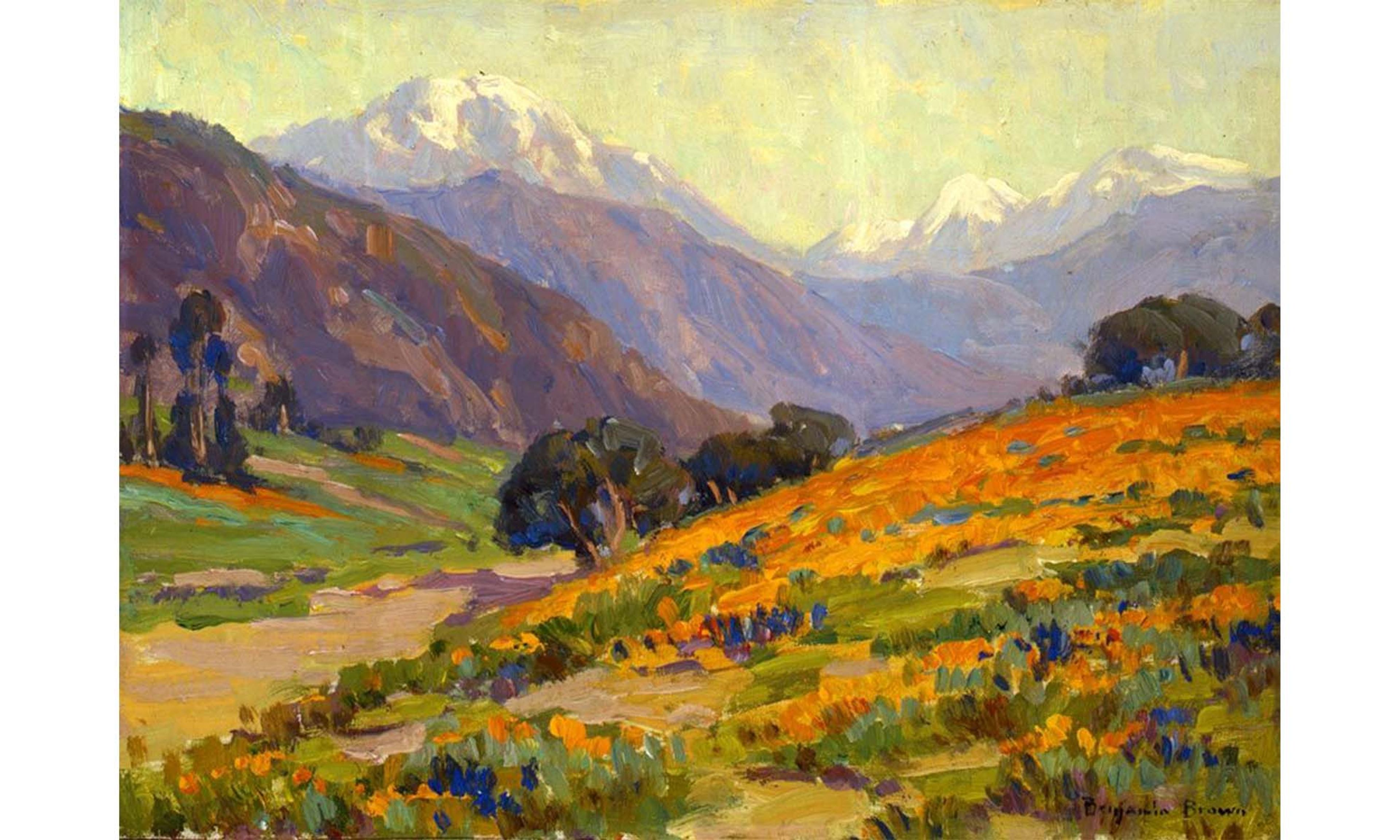
From April 15 to May 15, in Paris in 1874, a group of renegade artists then called the Intransigents — but also nihilists, gangsters, and Communards — displayed their art in a special exhibition at the studio of Gaspard-Félix Tournachon, a photographer known by the pseudonym Nadar. They hoped to protest the domination of the Paris art market by the official, juried, annual Salon. Most of them were young, and most had avant-garde ideas. The Salon, by inclusion and exclusion, defined what was good and established taste. It was a cultural monopoly. The new, outsider Salon, in which 31 artists displayed 165 works of art, was later called the first Impressionist Salon, after “Impressionism” stuck as the new movement’s name. The term was initially devised by a critic looking for a slur.
We’re now observing Impressionism’s 150th birthday. No one can argue that Impressionism wasn’t transformative. The movement started in Paris with new paintings by Renoir, Monet, Sisley, Morisot, and Pissarro, among others, but it has to be seen as a launchpad as well as a movement. It started as French, but by the 1890s there were Dutch, Italian, English, German, and American Impressionists, Post-Impressionists, Symbolists, and Fauvists. Renoir and Monet were distinguished 20th-century artists — their work in the 1910s was very different from what they displayed in Nadar’s studio in 1874.





Comments