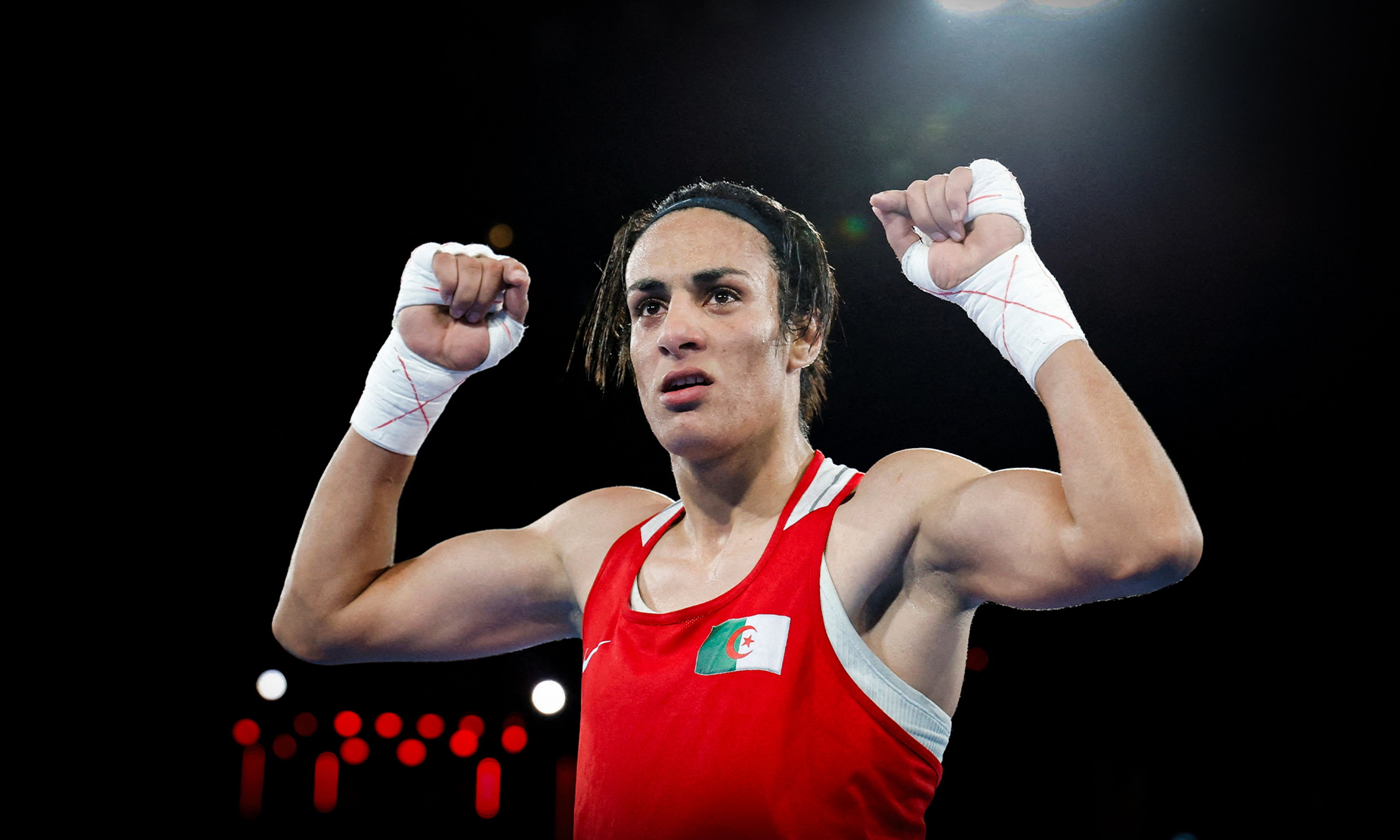
During the Paris Olympics last summer, I wrote a news article for National Review about Italian boxer Angela Carini quitting 46 seconds into a boxing match against Algeria’s Imane Khelif, one of two competitors in the women’s boxing division who was previously disqualified from the 2023 International Boxing Association Women’s World Boxing Championships after failing a sex-identification test. The International Boxing Association president said in 2023 that Khelif and Taiwan’s Lin Yu-ting were ineligible for the women’s championship title because DNA tests “proved they had XY chromosomes.” The association’s leader, Umar Kremlev, added that the two athletes “attempted to deceive their colleagues and passed themselves off as women.”
After the world watched Carini suffer Khelif’s powerful blows to the face, the International Olympic Committee (IOC) strained itself defending “inclusive” policies and its lack of sex-verification screening. The Paris 2024 Boxing Unit and the IOC asserted that, like previous competitions, “the gender and age of the athletes are based on their passport.” The International Olympic Committee’s “Portrayal Guidelines” in 2024 stated that “a person’s sex category is not assigned based on genetics alone.” National Review was among many outlets that insisted women’s divisions must be women’s divisions, and all available evidence suggested that Khelif and Lin are male; it didn’t matter how they were perceived by doctors at birth, how they were raised, or how they identify. As we said in an editorial at the time, “genetics do determine sex — regardless of what we ‘assign’ or what letter is printed on a passport.” Ultimately, both Khelif and Lin were permitted to continue competing in the women’s division, and each won a gold medal in their respective weight class.





Comments