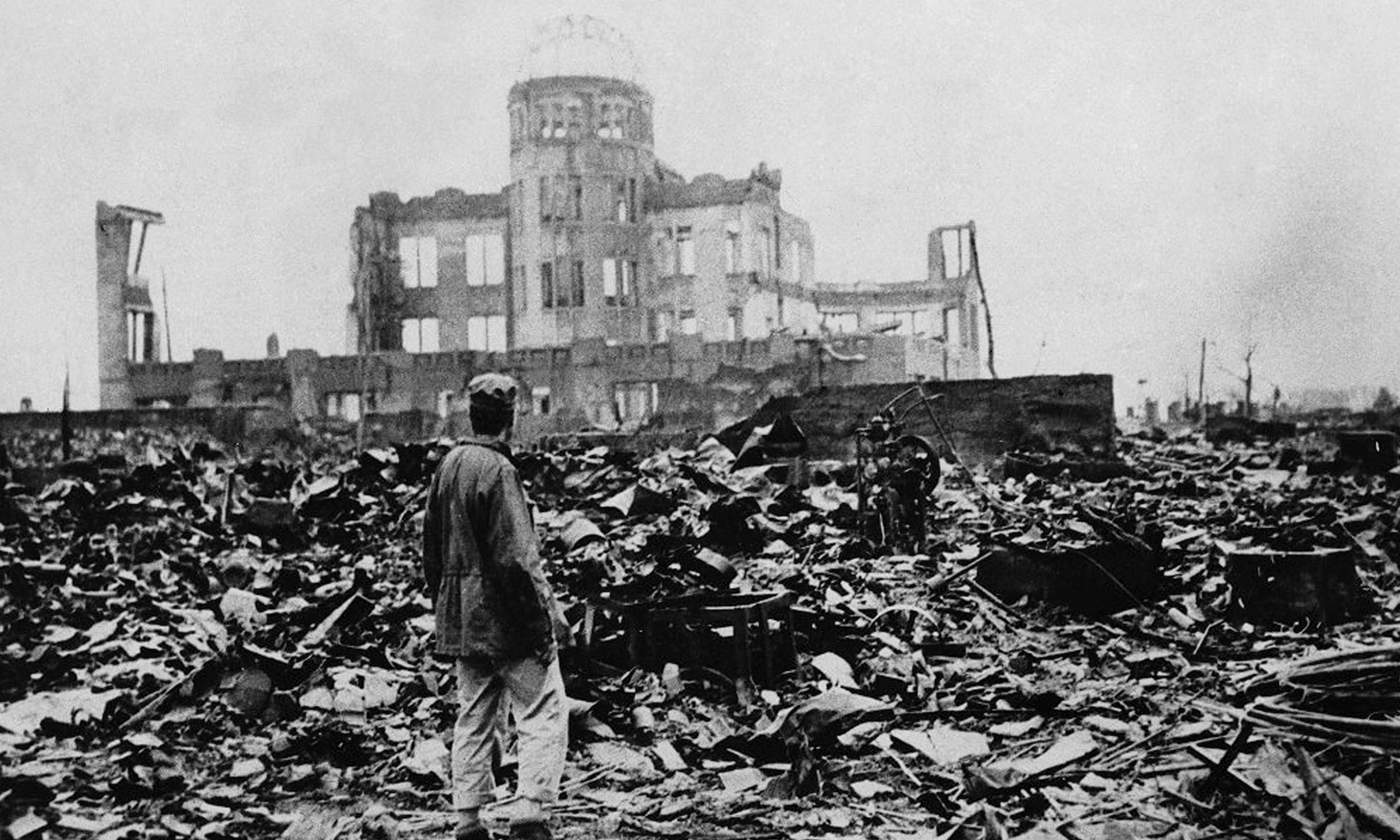
Journalists have identified the use of atomic bombs against Japan in August 1945 as the greatest story of the 20th century. Beginning in the 1960s, a body of critical work among historians appeared challenging the early narratives that had validated the use of these weapons. (I reject the term “revisionist,” as any historian with new facts and arguments engages in revisionism. “Critical” is a more accurate term for these arguments.) The import of this critical work vaulted over the immediate issue into a searing condemnation of the moral fabric of all American history. These historians condemned the atomic bombings as stunningly singular immoral acts. Some used the bombings as grounds to forever preclude any claim of righteousness or greatness to Americans. The controversy burst outside the cloisters of academia into the public and has become an enduring fault line.
The Moral Calculus




Comments