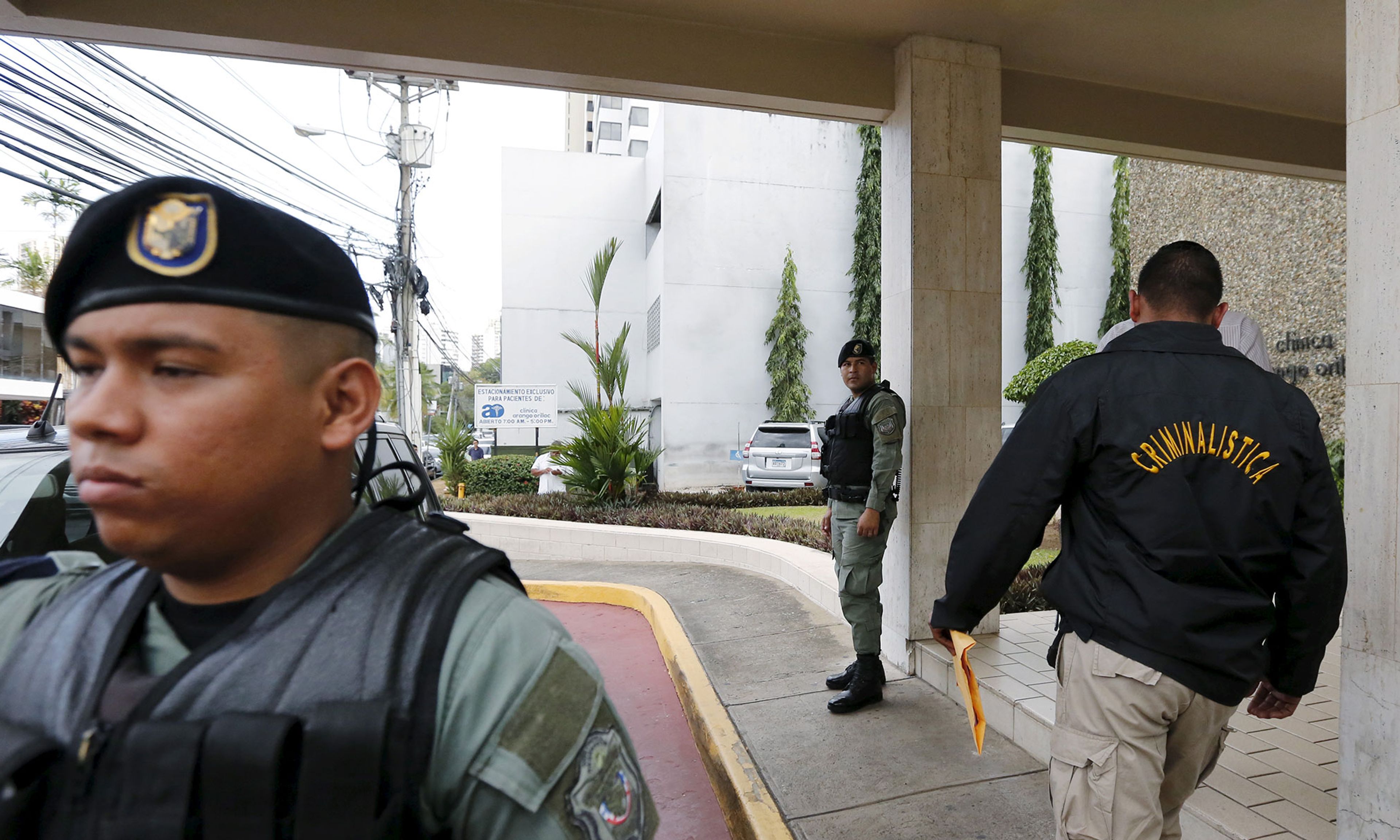
Today marks a decade since the release of the Panama Papers — 11.5 million documents showing how criminals, terrorists, politicians, and celebrities used a worldwide system of financial secrecy loopholes to hide, launder, and deploy staggering amounts of wealth, evading sanctions, taxes, and law enforcement. In the wake of the document release and ensuing scandal, there was massive outrage but few meaningful reforms. Our complacency has had costs: A failure to act has contributed to the growth of terror financing, sanctions evasion, and money laundering, supporting criminal cartels that equal the armies of small nations and corrupt nations run as criminal cartels.
On April 3, 2016, an anonymous source leaked a trove of documents from the Panamanian law firm Mossack Fonseca, lifting the lid on a secrecy factory that manufactured legal façades for shady transactions. The firm incorporated hundreds of thousands of shell companies, funneled cash through offshore accounts, and drafted the laws of tiny cash-strapped islands to better shield dirty money.






Comments