
Key Takeaways
- Great-power bargains could reward coercion without delivering lasting stability.
- American leadership needs credible deterrence, fairer burden-sharing, and trustworthy commitments.
by Jianli Yang
Can a triangle of the U.S., China, and Russia create a sustainable equilibrium of power, rules, and values?
Share this story
The proposed Trump–Xi–Putin meeting in Shenzhen this month could become one of the most consequential diplomatic encounters since the Cold War. Whatever the three leaders might negotiate concerning Ukraine, Taiwan, trade, nuclear weapons, or artificial intelligence, its larger significance would be unmistakable: The three powers most capable of shaping the international order would be gathering not primarily to defend it but to renegotiate their positions within, or against, it.
The irony is extraordinary. Russia seeks to overturn an order from which it believes itself excluded. China seeks to reshape an order from which it has benefited enormously. The United States, which created and sustained that order, increasingly regards its maintenance as an excessive burden. The revolutionary, the reformer, and the reluctant guardian have become, in different ways, revisionists.
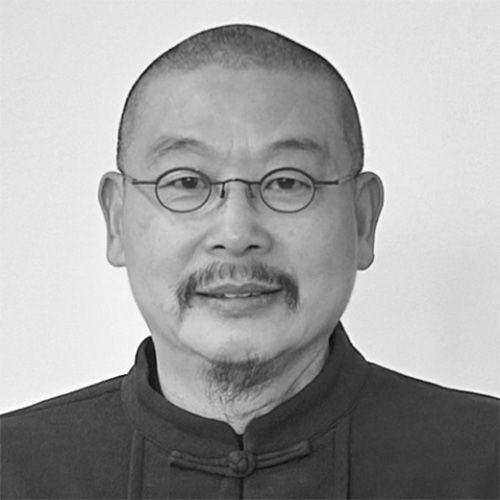
About the Author
Jianli Yang is a Distinguished Visiting Fellow at Center for the National Interest and a columnist for National Review.
Advertisement
The proposed Trump–Xi–Putin meeting in Shenzhen this month could become one of the most consequential diplomatic encounters since the Cold War. Whatever the three leaders might negotiate concerning Ukraine, Taiwan, trade, nuclear weapons, or artificial intelligence, its larger significance would be unmistakable: The three powers most capable of shaping the international order would be gathering not primarily to defend it but to renegotiate their positions within, or against, it.
The irony is extraordinary. Russia seeks to overturn an order from which it believes itself excluded. China seeks to reshape an order from which it has benefited enormously. The United States, which created and sustained that order, increasingly regards its maintenance as an excessive burden. The revolutionary, the reformer, and the reluctant guardian have become, in different ways, revisionists.
About the Author
Jianli Yang is a Distinguished Visiting Fellow at Center for the National Interest and a columnist for National Review.
Advertisement






Comments