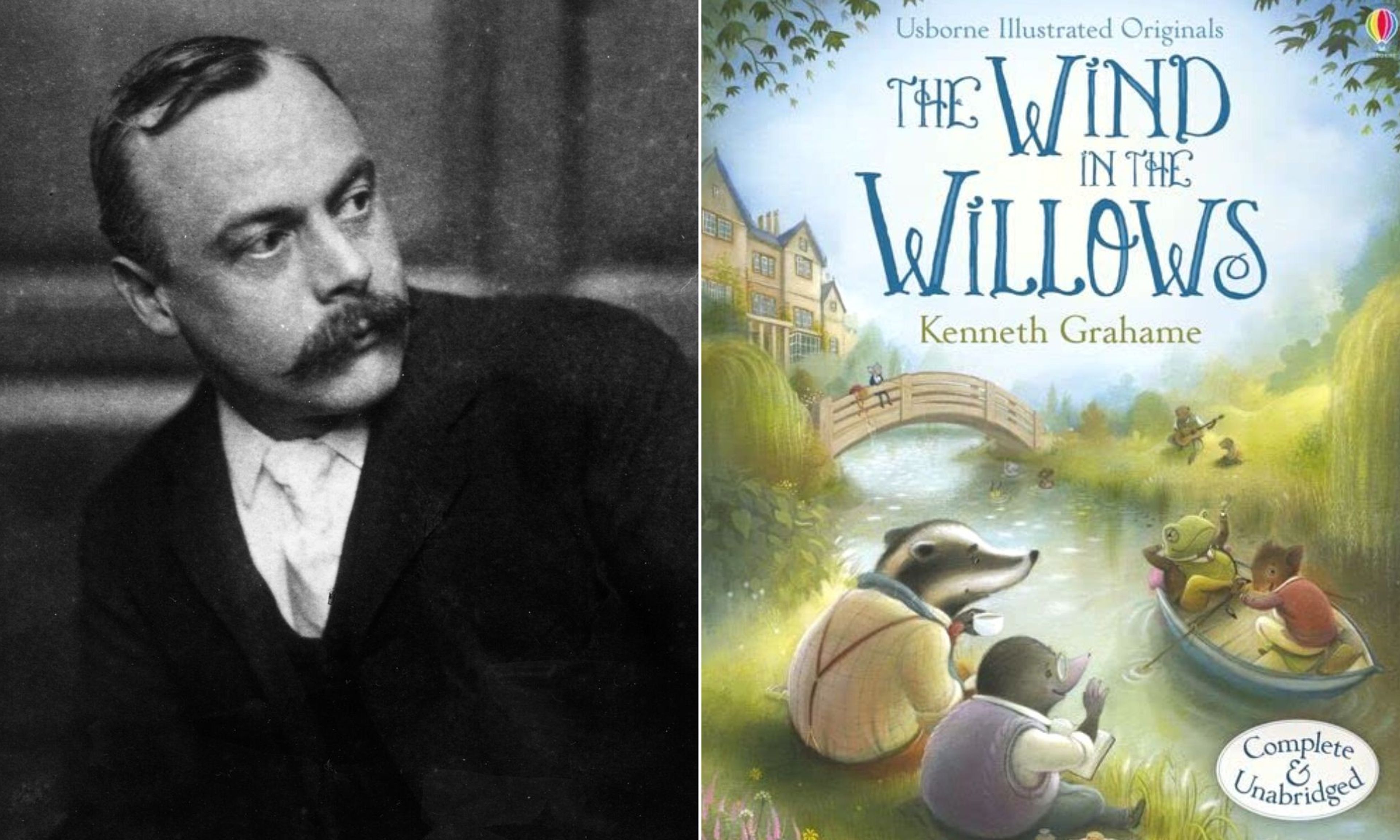
‘One does not argue about The Wind in the Willows. The young man gives it to the girl with whom he is in love, and, if she does not like it, asks her to return his letters. The older man tries it on his nephew, and alters his will accordingly.” It’s been nearly five years since I first heard this A. A. Milne quote, presented to the class by my Children’s Literature professor at Hillsdale. In what was hands down my favorite college course (thank you, Dr. Coupland), we ended the semester by reading Kenneth Grahame’s masterpiece, a delightful and thought-provoking work.
If you’ve not read it (which, when you consider Milne’s quote, you really should), it’s the tale of a mole. Mole, Rat, Badger, and Toad, actually. Set in the glorious English countryside next to a river (though if you ask Rat, it is the River), it is, in a sense, a series of vignettes illustrating the daily doings of animals who live rather human-like lives. Grahame, unlike similarly animal-centered author Brian Jacques, takes no pains to delineate between the animal world and the human world. Hence the whimsy of the tale: toads in motorcars, rats in rowboats, and mice singing carols.





Comments