A Founding Father’s Stirring Condemnation of Slavery

To Benjamin Rush, if liberty and equality were the birthright of every human soul, then slavery must be the enemy of the American Revolution.

Share this story

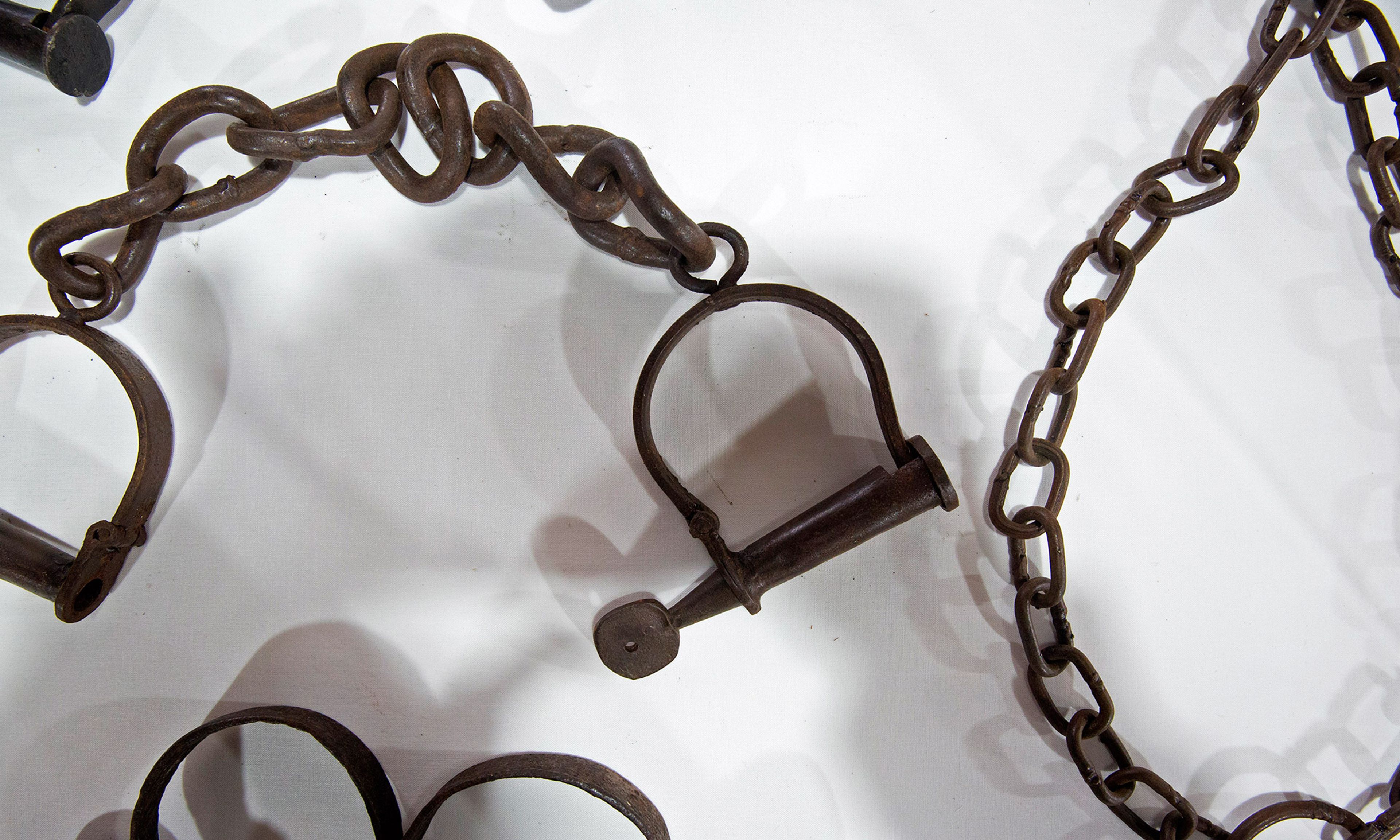
1808: A federal law prohiting the importation of slaves to the United States goes into effect. Pictured: Shackles used to bind slaves on display at the Whitney Plantation in Wallace, La., in 2015.

Edmund Fountain/Reuters

‘So much hath been said upon the subject of Slave-keeping, that an apology may be required for this paper,” wrote a Philadelphia physician two years before the start of the American Revolution. “The only one I shall offer is, that the evil still continues.”

What followed was one of the most devastating intellectual assaults on slavery ever published in the American colonies. The pamphlet titled “Address to the Inhabitants of the British Colonies upon Slavekeeping” struck a nerve: All 1,200 copies quickly sold out. Its author, Benjamin Rush, would soon join the revolutionary cause and sign the Declaration of Independence.


Joseph Loconte

About the Author

Joseph Loconte

Joseph Loconte is the director of The Rivendell Center in New York City and the author of The War for Middle-earth: J.R.R. Tolkien and C.S. Lewis Confront the Gathering Storm, 1933–1945. He serves as a senior fellow at the Sagamore Institute and as the C.S. Lewis Scholar for Public Life at Grove City College. He is at work on a documentary film about the impact of war on the lives of Tolkien and Lewis.

Comments

Advertisement

Advertisement


