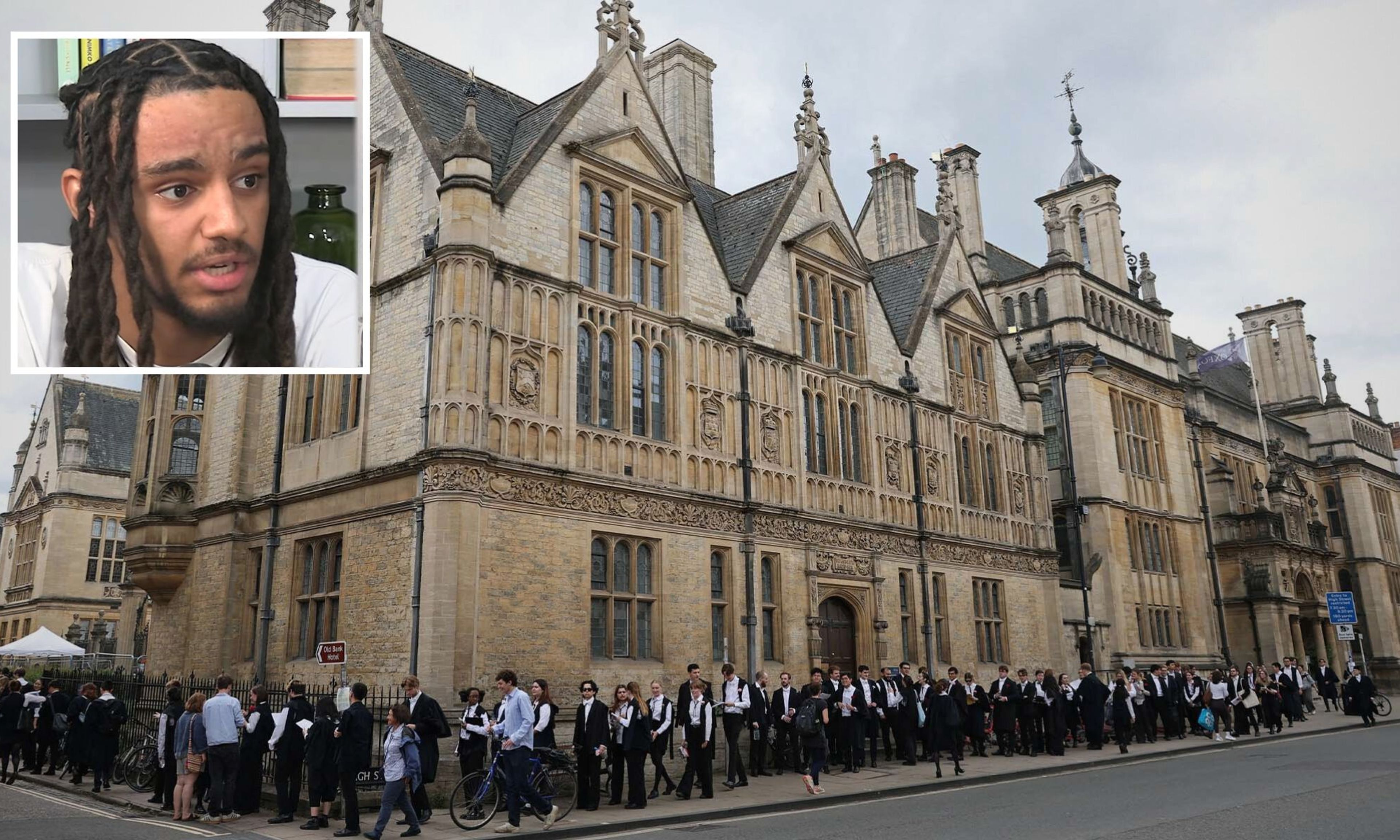
Charlie Kirk’s tragic murder has had ramifications across America, but one of its strangest consequences has been to bring a venerable British institution to the brink of disaster. The Oxford Union, founded in 1823, was rocked by the revelation that its president-elect, George Abaraonye, had flippantly expressed jubilation when he heard that Charlie had been shot. Brittany Bernstein’s article here will bring you up to date with what has happened since (and the story is by no means over), but the deeper aspects say a lot about where Britain is today, and why what might seem a minor contretemps in a student society has been treated so seriously.
The Oxford Union has been described as “the playground of power,” because so many notable British politicians and prominent personalities got their start there. From Gladstone, through Salisbury, to Harold Macmillan, Ted Heath, and in more recent years Boris Johnson, all cut their political teeth on the Union’s peculiar brand of nonpartisan personal politics. At a dinner to celebrate the society’s sesquicentennial in 1973, former Prime Minister Macmillan asked, “What is the University? Only the background against which the Union is cast.”




Comments