One of the heavy artillery pieces in the battle to restore the separation of powers as designed by our Constitution is the nondelegation doctrine. It is about to get a serious test in a case, United States v. Pheasant, that is being briefed before the Ninth Circuit federal appeals court.
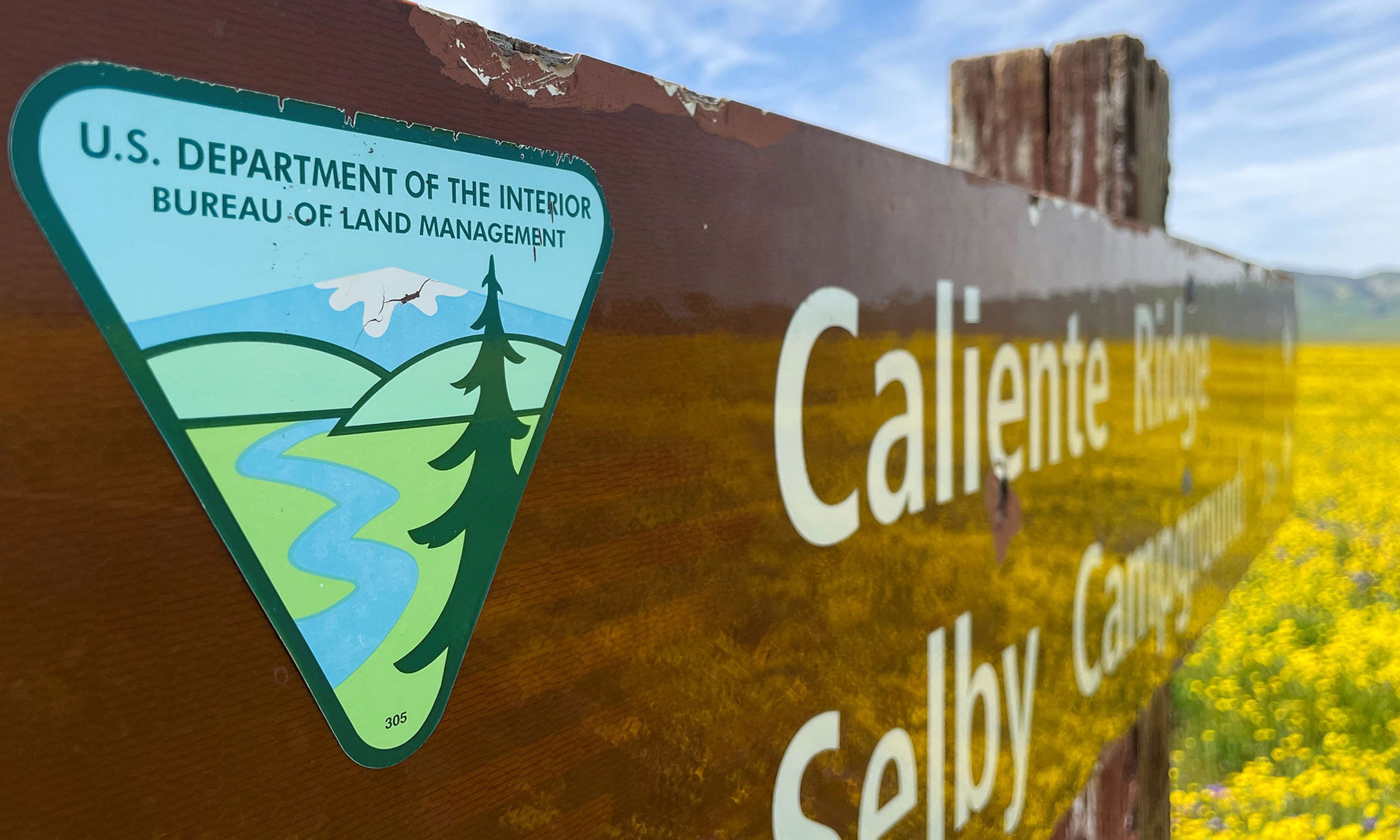
Last April, Judge Robert Jones of the federal district court in Nevada (a George W. Bush appointee with two decades on the bench) concluded that 43 U.S.C. § 1733(a), a provision of the Federal Land Policy and Management Act of 1976, violated the nondelegation doctrine by ceding too much law-making authority over federal lands to the Bureau of Land Management (BLM) within the Department of the Interior. If upheld, the ruling in Pheasant would call into question a vast number of regulations — many of them carrying criminal penalties — governing what Americans may do on federal land.





Comments