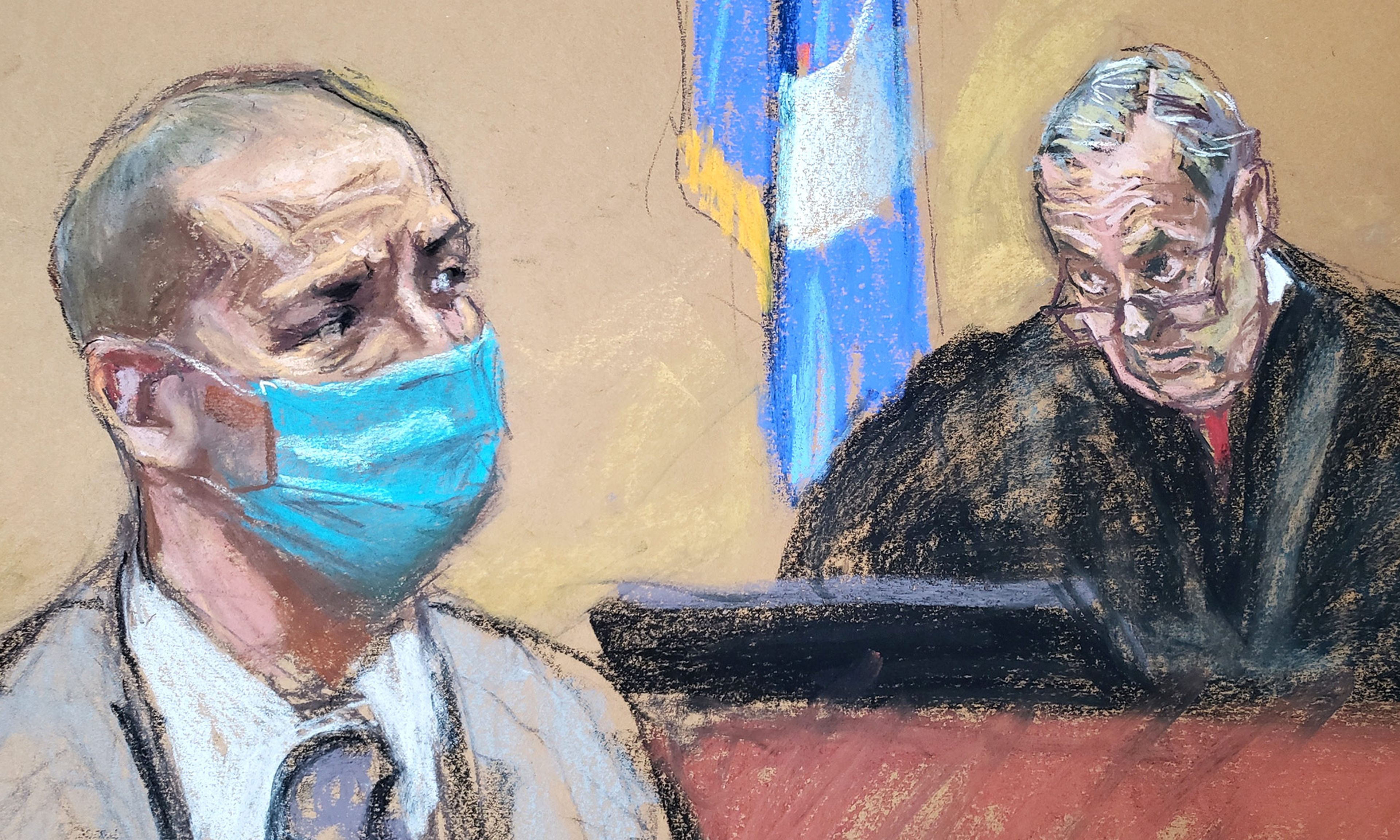
Recently, there was a ruling by Minnesota’s highest court that would have been big news if it had happened prior to Derek Chauvin’s trial for the killing of George Floyd — as it should have. At this point, its importance is greatly diminished, even though it will almost certainly result in the reversal and dismissal of one of the charges against the former Minneapolis cop — specifically, the third-degree “depraved indifference” murder count.
The news was easy to miss because it did not come directly in Chauvin’s case, which is now on appeal, and — more significantly — because it is unlikely to affect Chauvin’s 22-and-a-half-year sentence. Judge Peter Cahill imposed that term mainly because Chauvin was also convicted of second-degree unintentional murder (i.e., murder committed in the course of committing another crime — aggravated assault). That charge is unaffected by the state supreme court’s new ruling.





Comments