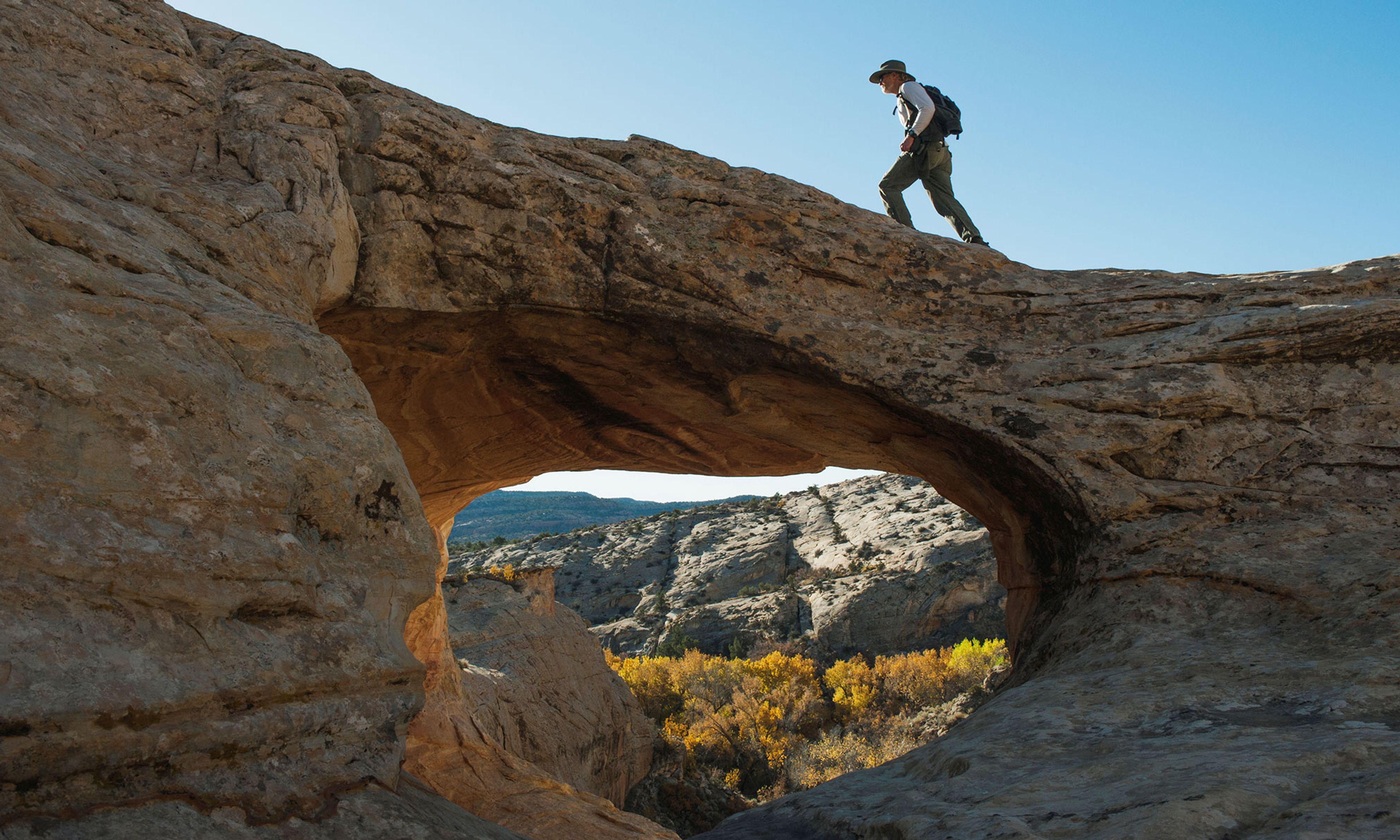
Earlier this month, President Trump shrank two national monuments in Utah by 90 percent each, about 3 million acres in all. This is just the latest pull in the endless tug-of-war between presidents over public lands. The regulatory whiplash that has become the only reliable pattern in federal land management makes an elegant case for why the federal government should not be the nation’s largest landlord.
Under the Antiquities Act, signed into law by President Theodore Roosevelt in 1906, presidents can declare historic landmarks on federal land to be national monuments. The act was a response to the looting of ancient ruins, but it has long since surpassed these humble origins. Presidents routinely blanket vast swathes of land as “national monuments.” President Barack Obama, for instance, designated a chunk of ocean off the New England coast the size of Connecticut as a national monument. Two national monuments in Utah, Bears Ears and Grand Staircase-Escalante, follow a similar pattern, covering millions of acres of the state.

Comments