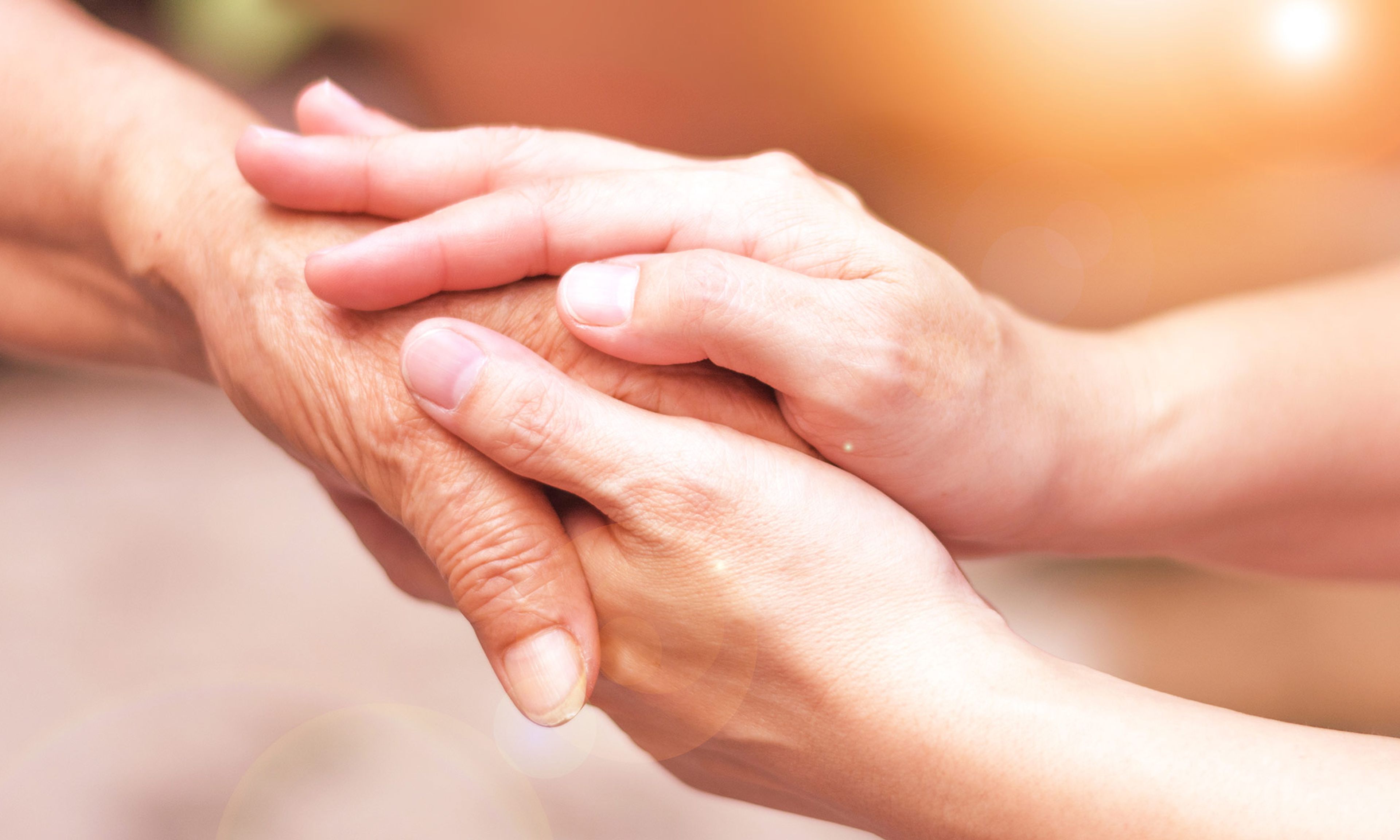
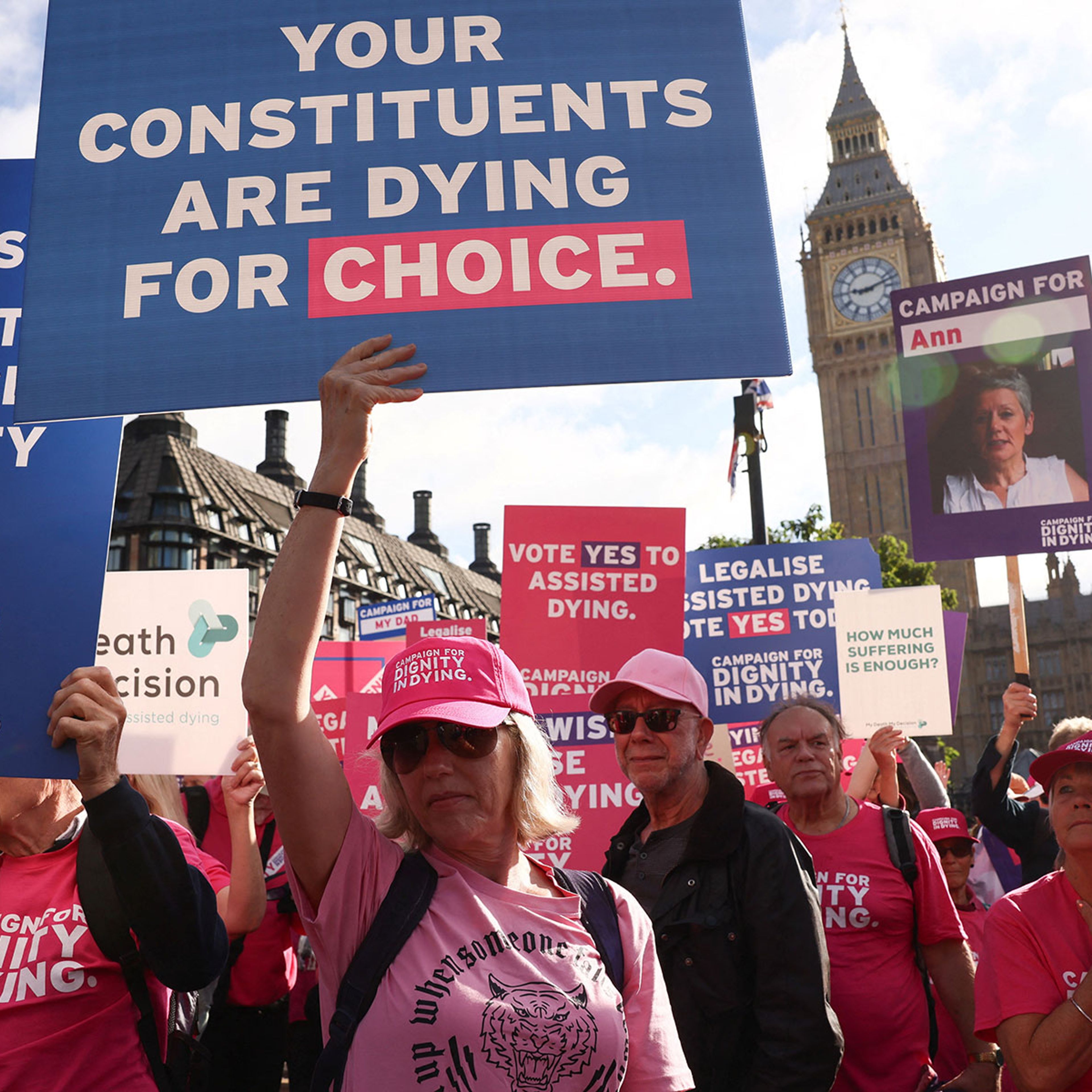
Last week, Pope Francis warned his general audience against euthanasia, saying that “we must accompany people towards death, but not provoke death or facilitate any form of suicide.” He’s right that the moral musts and must nots of caring for the dying are connected — and that the overmedicalization of the end of life has, in effect, helped blur what ought to be a red line.
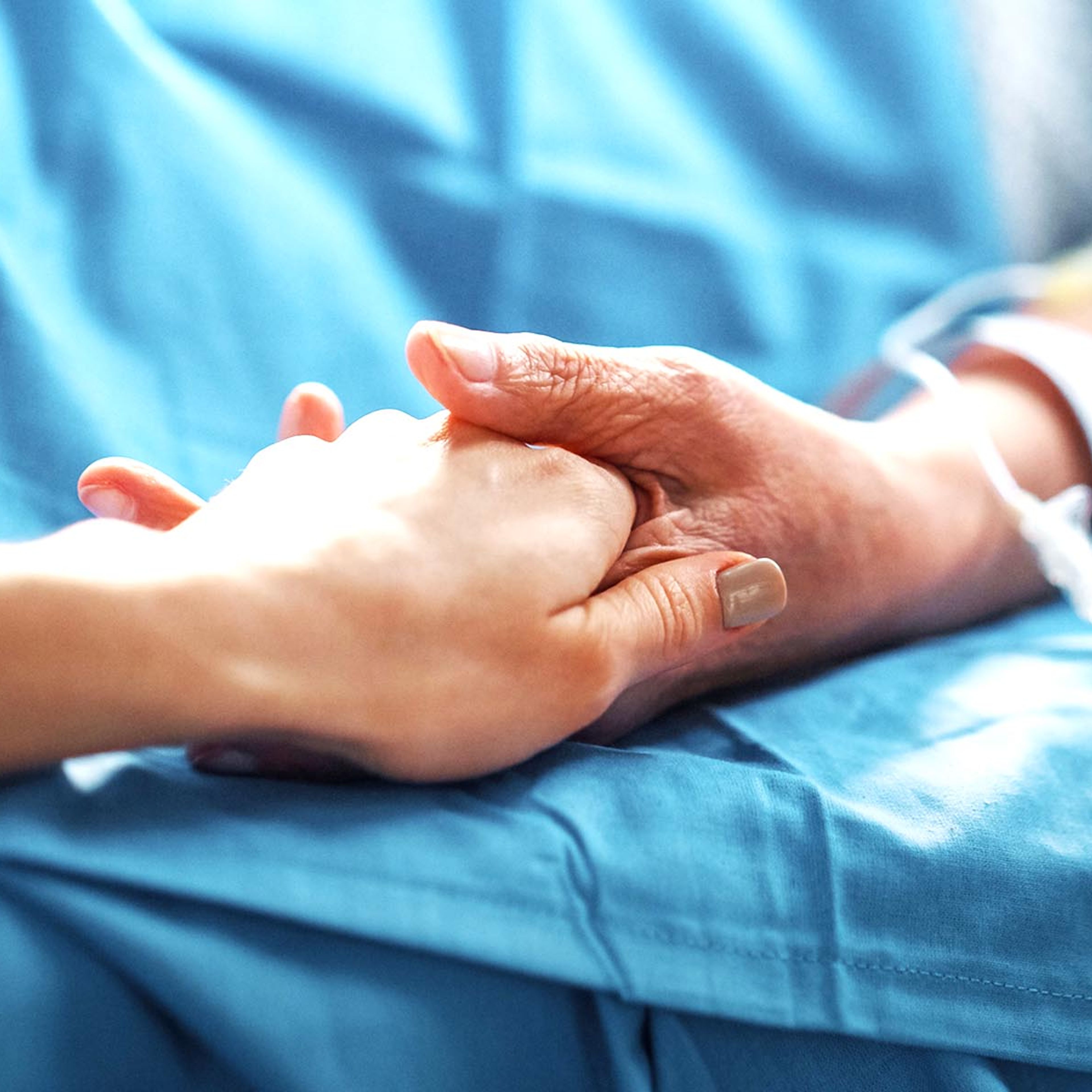
“How people die has changed dramatically over the past 60 years, from a family event with occasional medical support, to a medical event with limited family support,” explained Libby Sallnow, a palliative-medicine consultant and co-chair of the Lancet Commission on the Value of Death. This was evident in our response to the coronavirus. During the most difficult phases of the pandemic, we went to great lengths to prevent people from dying but gave little priority to how they were dying. As a result, people confronted death alone, save for masked hospital staff, as family members said goodbye over FaceTime.


Comments