
This month, colleges should begin their first race-neutral admissions cycle — yet, as National Review reported last week, many are trying to maintain the status quo in a misguided effort to promote diversity in higher education.
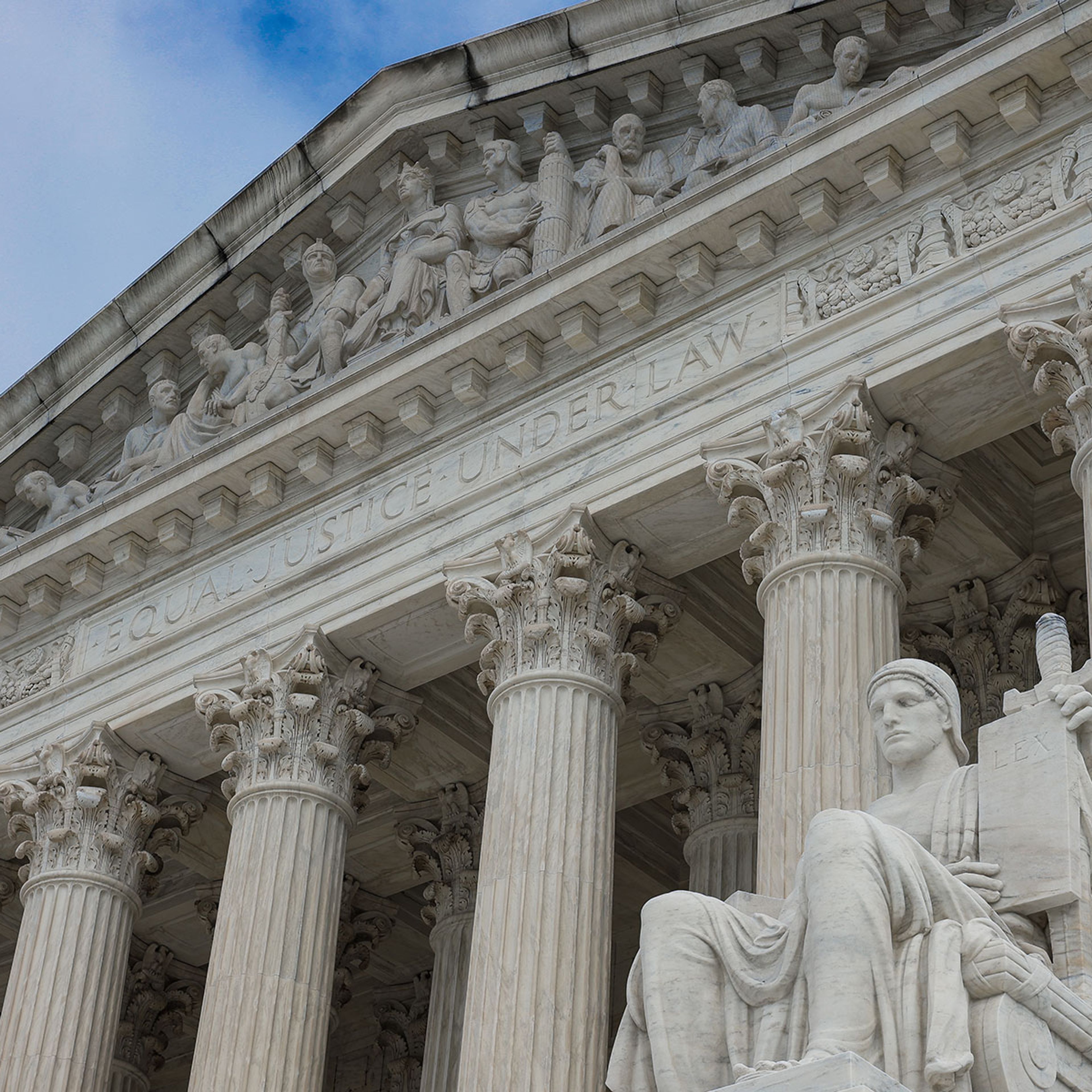
Since the Supreme Court’s landmark decision in June, admissions offices have been searching for ways to continue using racial preferences without running afoul of the law. Many schools have stated they will comply with the decision while finding ways to preserve their “mission” and “values.” By attempting to circumvent the ruling, these colleges neglect to fix what’s broken. Affirmative action was methodologically unsound, never fulfilling its promise of ensuring equal access and remedying achievement gaps. Schools have an opportunity to course-correct and, more important, refocus diversity initiatives on genuinely leveling the playing field in education.



Comments