When 100 young patriots gathered at the home of William F. Buckley Jr. in September 1960, the task ahead of them must have felt nearly impossible. Drafting a document that could unite the disparate factions of the fledgling conservative movement under shared principles — without falling prey to the vitriol and hatred that so often mars big-tent political movements — likely seemed a fantasy. Yet Buckley and his peers succeeded, and the Sharon Statement became a seminal document in the history of the American political Right.
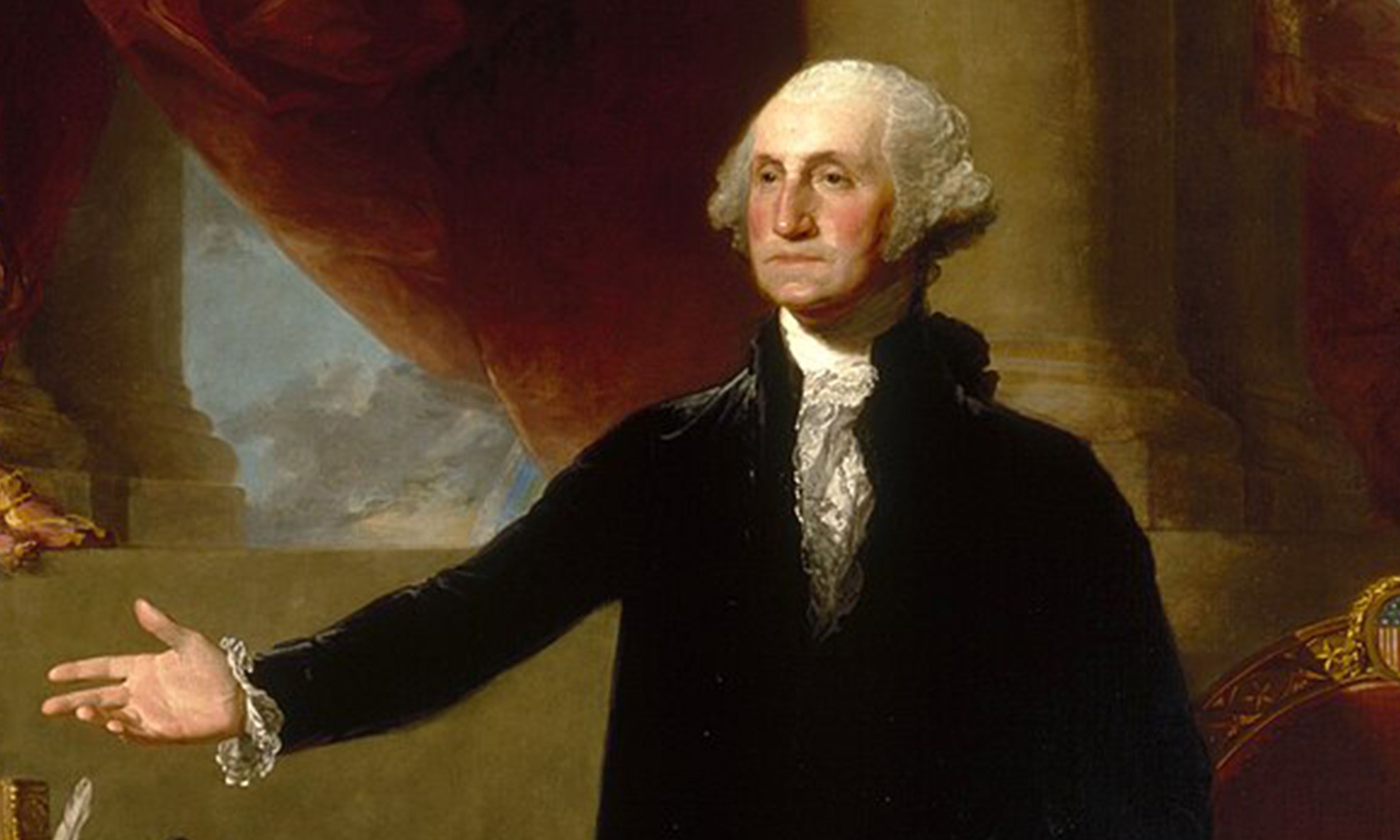
“Foremost among the transcendent values,” the statement reads, “is the individual’s use of his God-given free will, whence derives his right to be free from the restrictions of arbitrary force (emphasis added).” Though rhetorically pleasing, the opening claim of the Sharon Statement was nothing new. The Declaration of Independence, of course, spoke of natural rights endowed to humans “by their creator.” In echoing the Founders, the students who birthed the conservative movement announced to the world, faithful to the American political tradition, that God would be the foundation of their worldview.




Comments