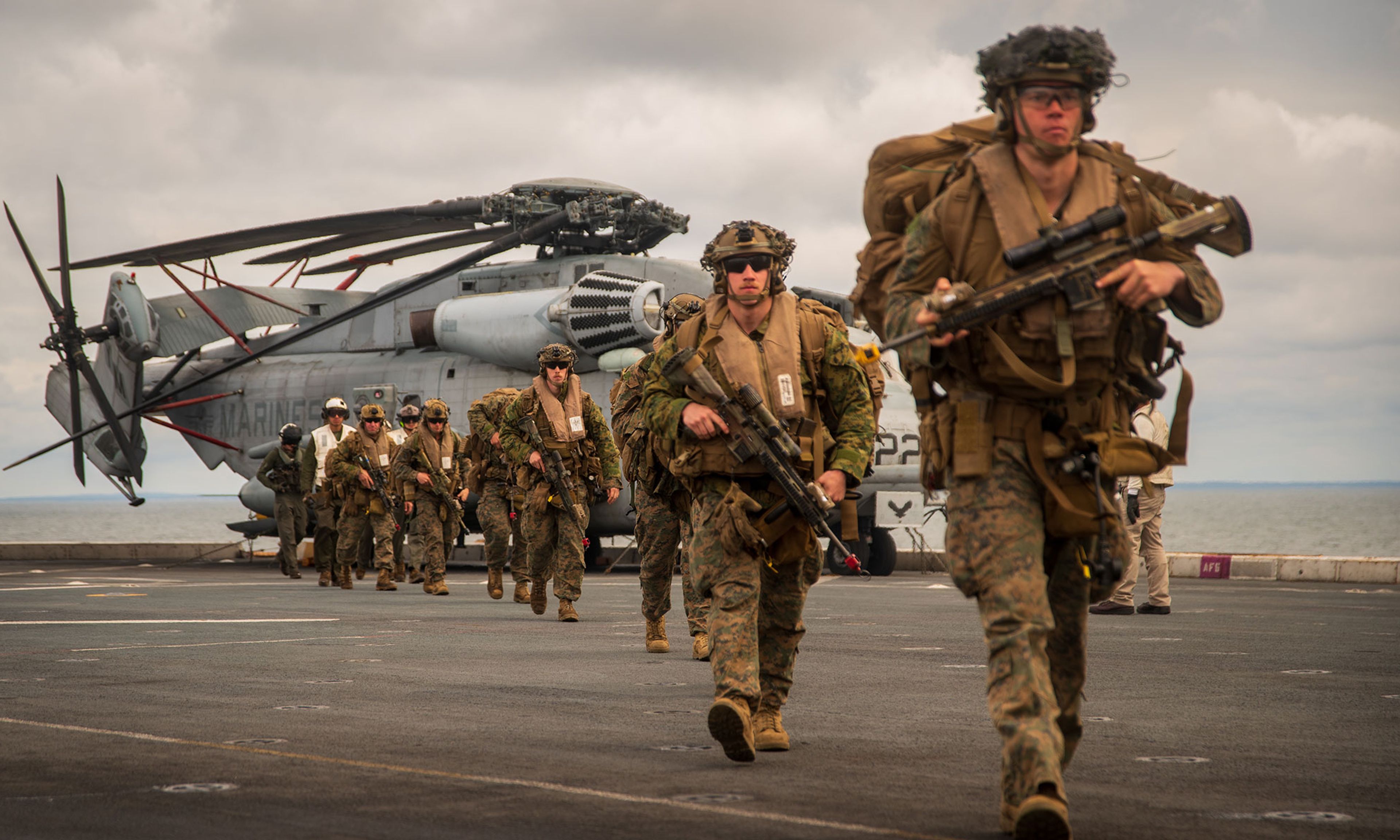
Last month, Vladimir Putin seemingly unveiled changes to Russia’s nuclear doctrine — the conditions in which Moscow would employ such a weapon — that sent a clear message to the West: Even if the war in Ukraine stops, Russia’s threats of war will not. Sowing discord between the U.S. and its allies in Europe remains a central goal of these threats, and it is the responsibility of American leaders to avoid playing into Putin’s hands. America’s adversaries in the emerging Axis of Aggression (Russia, China, Iran, and North Korea) dream of a U.S. retreat from global engagement. Authoritarians despise how U.S. forces stationed abroad, in Europe and beyond, reassure key allies and communicate our will to protect our partners. As Putin attempts to fracture transatlantic relations through nuclear threats, Washington must never lose sight of the fundamental political role that U.S. conventional forces play in maintaining the NATO alliance.
Whether Putin’s rhetoric represents a meaningful long-term change or simply more saber-rattling will remain uncertain until an official policy document is released. But some analysts warn that the Kremlin boss suggested a lower threshold for the Russian use of nuclear weapons — both to hold non-nuclear states like Ukraine responsible for conventional attacks and to punish third parties like the United States for aiding Kyiv.





Comments