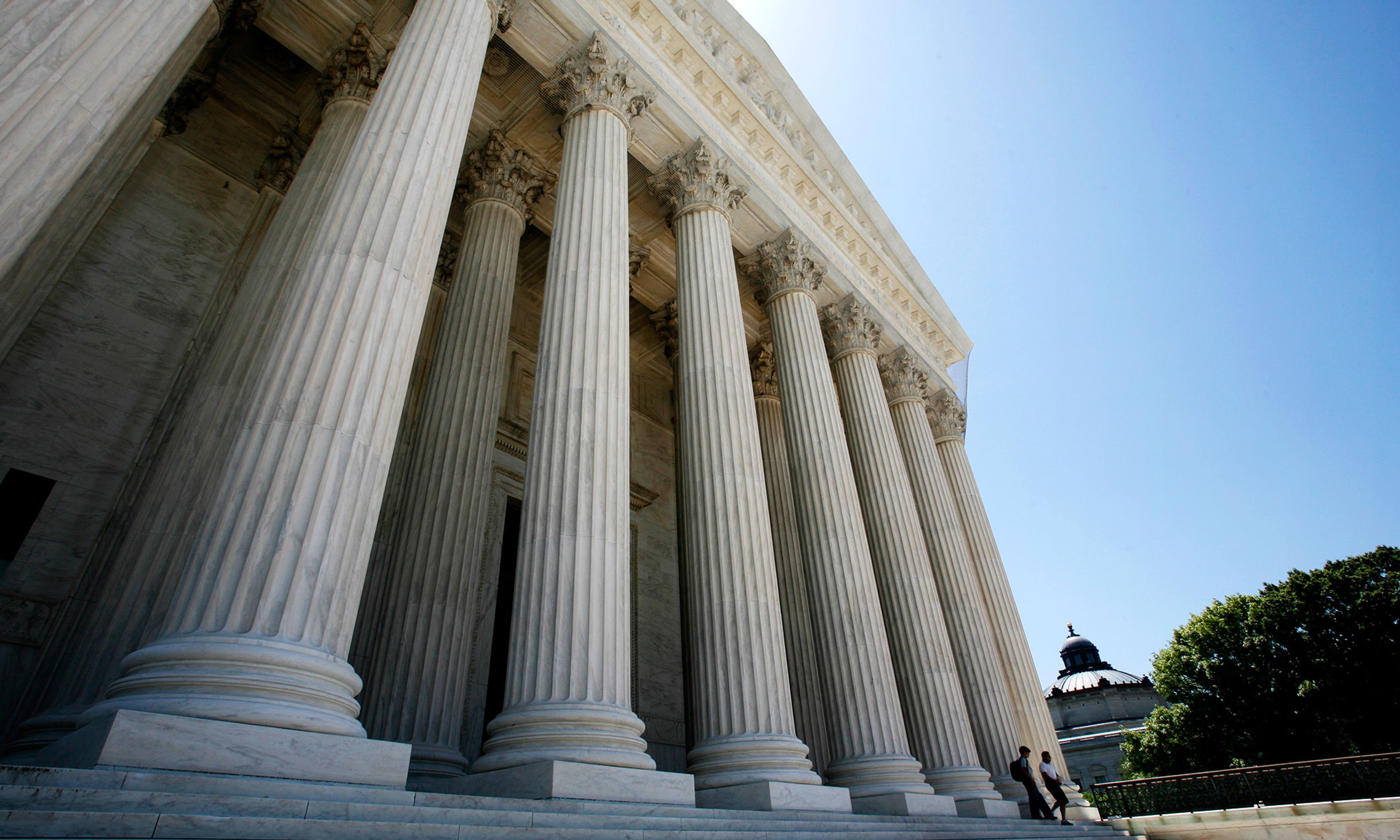
The U.S. Supreme Court this morning, in Brnovich v. Democratic National Committee, upheld two voting laws in Arizona that are widely used in many states: (1) an “out-of-precinct rule” that bans counting provisional ballots if they are cast in person in the wrong precinct, and (2) a ban on “ballot harvesting” that permits only certain persons — i.e., family and household members, caregivers, mail carriers, and elections officials — to handle another person’s completed mail-in ballot. The Court’s decision, in an opinion by Justice Samuel Alito, divided 6–3 along ideological lines. This is a big one.
The two Arizona laws were challenged under Section 2 of the Voting Rights Act, 52 U.S.C. § 10301, and under the 15th Amendment’s ban on intentional race discrimination in voting. Section 2 is the primary tool used to challenge voting laws across the country. Brnovich is a landmark decision because it is the first time a majority of the Court has set some basic “guideposts” for what Section 2 prohibits, and what it allows, in how ballots are collected and counted. The result should make it harder for Democrats to bring knee-jerk lawsuits over every change in voting laws without showing that they present a genuinely discriminatory obstacle to the overall opportunity to vote. For that reason, we should expect to hear lots of alarmist shrieking about the Court “gutting” the Voting Rights Act.





Comments