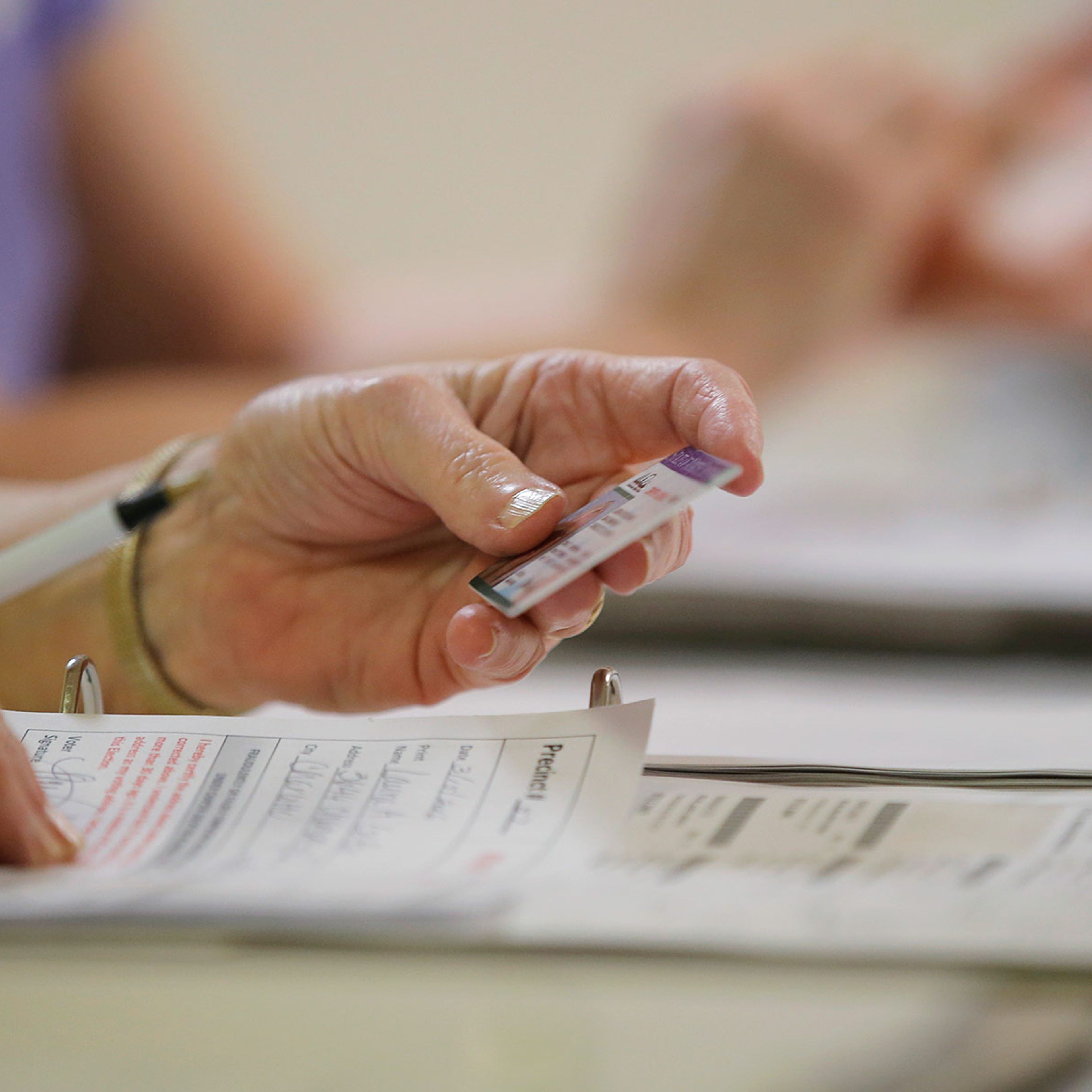
The next time you buy something at the mall with your credit card, you may well have to show a photo ID first. So why not when you vote? This is the question the House will take up today when it considers HR 4844, the Federal Election Integrity Act. It would introduce two modest and commonsensical regulations. First, that a person provide proof of U.S. citizenship when registering to vote. Second, that a person show some form of photo identification at the ballot box.
The federal government has a clear interest in making sure that elections are fair, not only to ensure citizens’ right to vote, but also to instill confidence in citizens that their leaders are legitimate. A simple way of doing this is to require that voters present photo ID. It’s baffling that this requirement is not already in place, given that, according to a 2006 NBC News/Wall Street Journal poll, 81 percent of voters favor it. Indeed, 24 states already require voters to present some form of identification when voting, and seven of these require photo ID. Yet some of these states — Georgia, for instance — have had their regulations overturned by the courts, underscoring the need for a uniform federal standard.
Photo identification is required for cashing checks; it is required when driving a car, buying alcohol, and applying for Social Security; even a New York Public Library card cannot be gotten without presenting some form of ID. Mexico requires voters to show photo identification. The bipartisan Carter-Baker commission studied election reform and recommended in September 2005 that voters be required to show photo ID.
In testimony before the House, Paul Bettencourt, tax assessor-collector and voter registrar for Harris County, Texas, explained the difficulties his office faces in preventing non-citizens from voting. “If a foreign national sends in a voter-registration application and checks off that he or she is a citizen of the United States, they will get a card — unless we have some prior knowledge that their information is false.” As long as we rely on nothing more than the honor system, we are effectively inviting non-citizens to influence the American political process for their benefit, despite the fact that they have no legitimate claim to participation in it. With some 12 million illegals already here, this is more than a hypothetical concern.
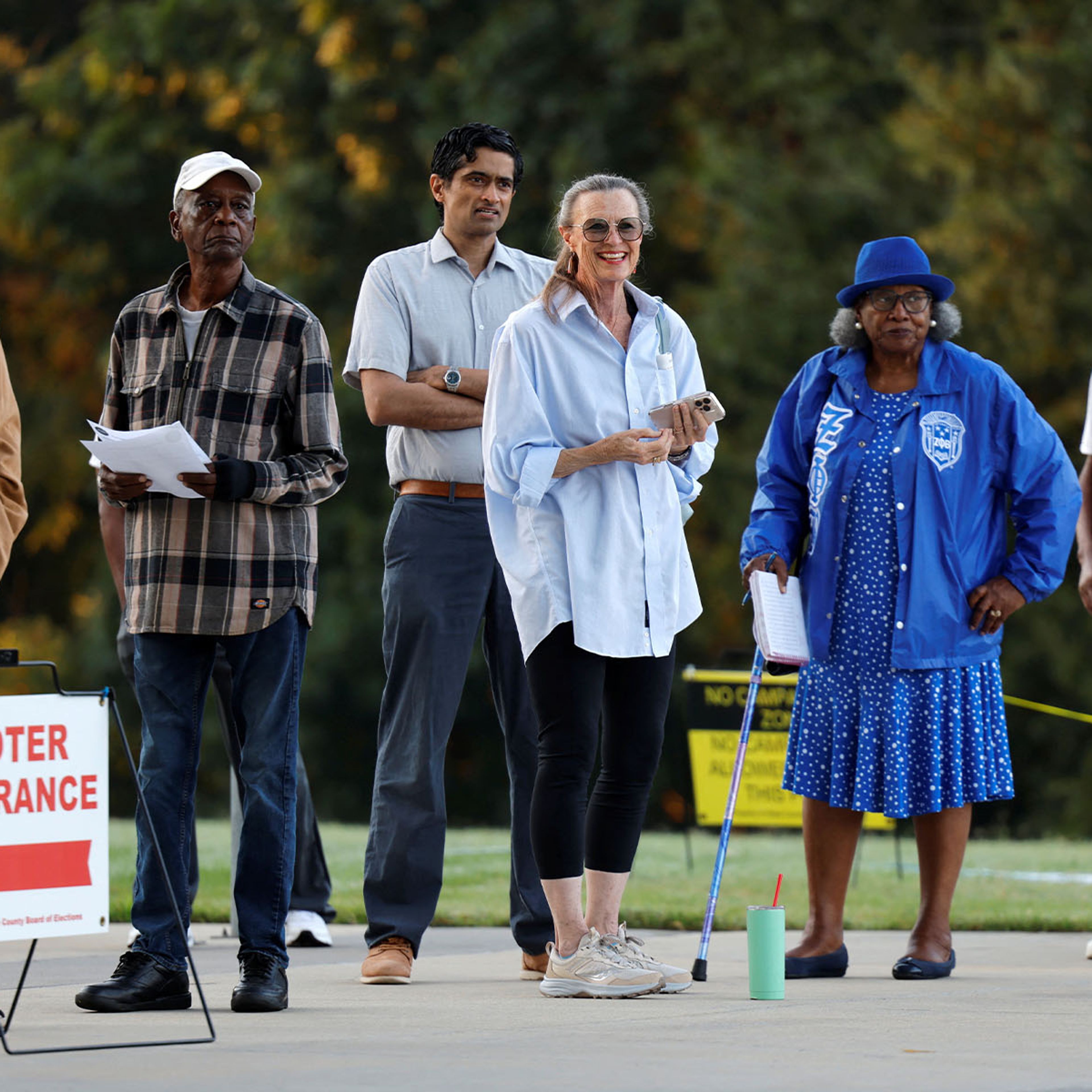
The most prominent objection to ID requirements is that they will establish a burdensome obstacle to voting that will disproportionately affect the poor. But photo identification is easily obtained, and its practical necessity guarantees that nearly all legitimate voters already have it. The idea that an ID requirement will keep people — poor or otherwise — home on election day is simply implausible.
Others object that the governing of elections has traditionally been left mostly to the states, and that HR 4844 is consequently an offense against federalism. But this argument is also weak. In question here is not whether Washington should be allowed to dictate in matters of state policy, but whether it is able to secure its obvious interest in the integrity of elections. It is precisely because the right to vote is precious that Congress should act now to protect it.



Comments