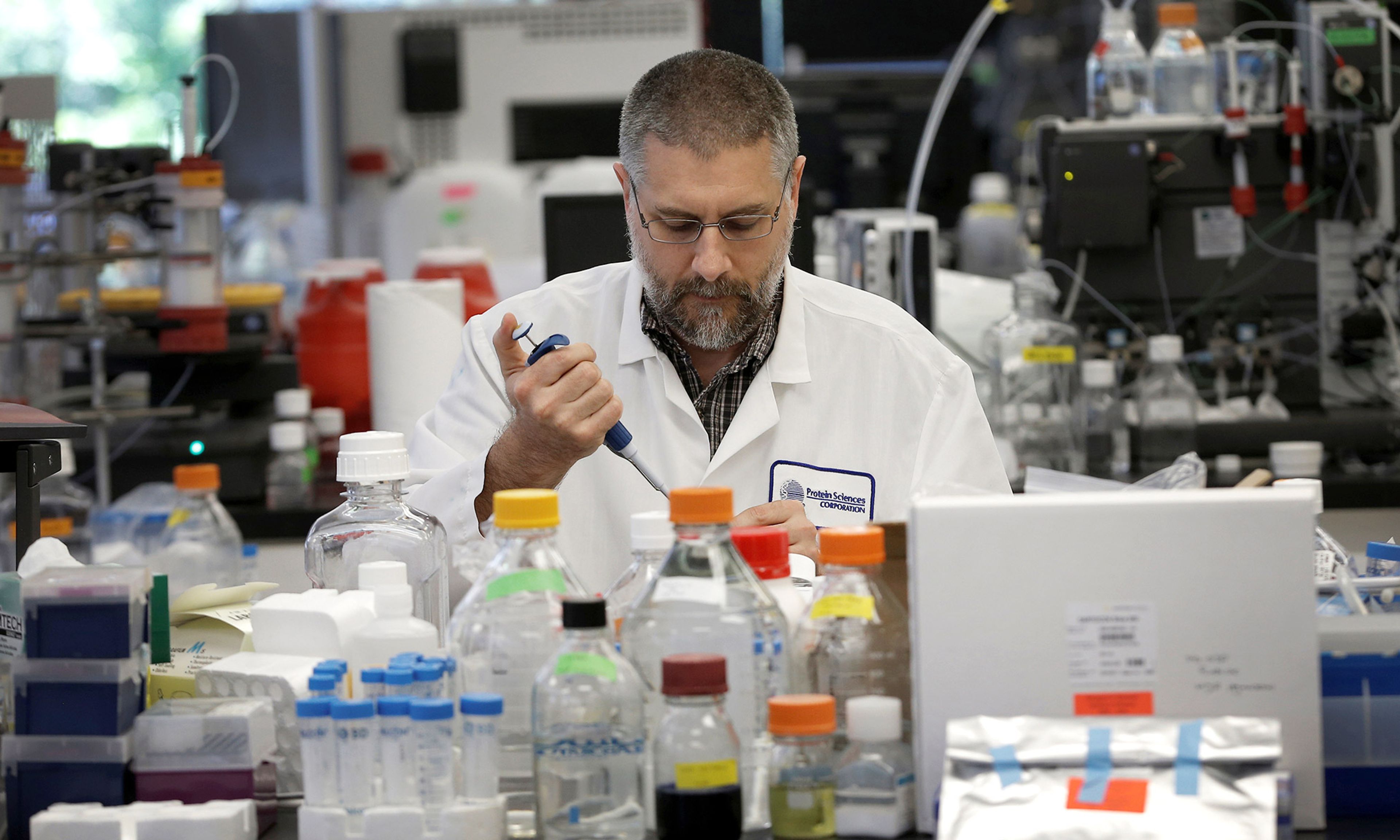
With every crisis, whether a pandemic or manmade or natural disaster, politicians and pundits invariably get around to calling for a Manhattan Project. This powerful imagery of putting “big science” to work to tackle big challenges comes, of course, from the success of that World War II effort and after that its Cold War derivative, the moonshot Apollo program. The legacy of those organized research enterprises is the very idea that government can marshal scientific and financial resources to solve major societal problems.
Today’s battle against the novel coronavirus has been explicitly analogized to the effort that was required to win World War II, both in terms of the sacrifices needed from the citizenry and what it will take, scientifically and technologically, to defeat the enemy. And while there are many obvious differences between World War II and our current fight against SARS-CoV-2, there are nevertheless striking parallels too, especially when it comes to the government’s role in leveraging science and technology to address a large-scale threat. Compare, for example, the technical solutions imagined for widespread and effective surveillance and detection of viral threats to the use of radar during World War II to surveil the skies, oceans, and battlefields to detect and track the enemy. Both require the development and deployment of portable, distributed, and inexpensive tools to the front lines. Similarly, the imperative to invent a vaccine as rapidly as possibly is not dissimilar from the effort at Los Alamos: Both require rapidly transmuting existing scientific knowledge into highly specific and practical technologies.





Comments