For the living, the news of a death brings with it a peculiar mixture of the transcendent and the mundane. There is shock to absorb, anguish to process, and passion to assuage, and then, in the midst of all that, there is the bureaucracy. Within hours, one must turn one’s attention to the dull but necessary questions that all mourners face in such times. Questions such as: “Where can we get hold of the coroner?” “What should we do with the body?” And, “How swiftly can we get Joe Biden here to make this event about himself?”
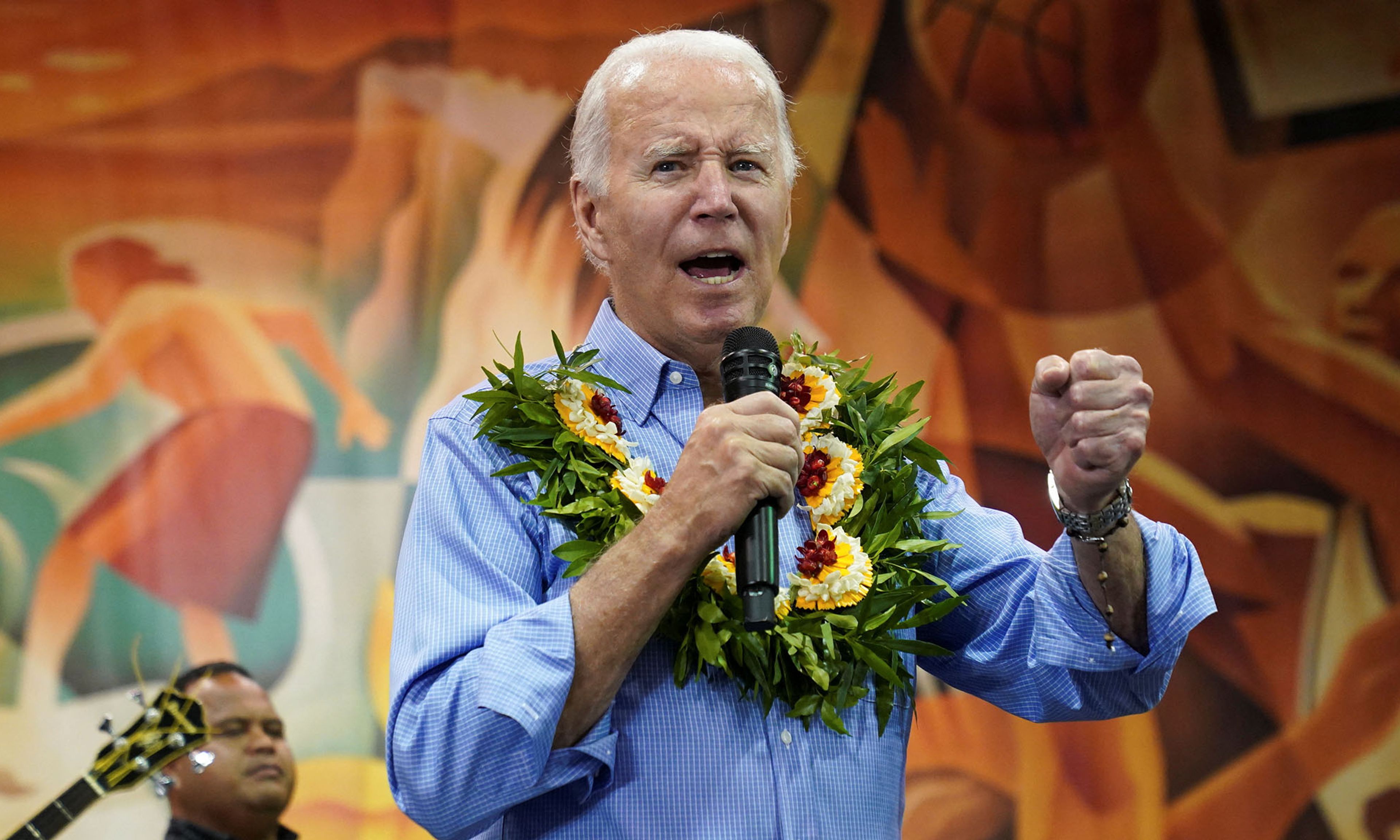
I joke, but only in part. Last week, political spectators marveled at the seeming callousness of the president’s repeated insistence that he had “no comment” about the devastating fires in Hawaii, but it turned out that the taciturn approach had been the correct one all along. Eventually, Biden consented to visit Maui and to say a few words about what had happened, and, as everyone ought to have anticipated, it did not go well. Addressing the news that 114 Americans had died thus far, and that 1,000 more were yet to be found, Biden told the families that his wife and daughter had died in a car accident in 1972, and that he, too, grasped what it’s like to “lose a home,” because his house suffered an insignificant kitchen fire back in 2004 and he almost lost his Corvette.





Comments