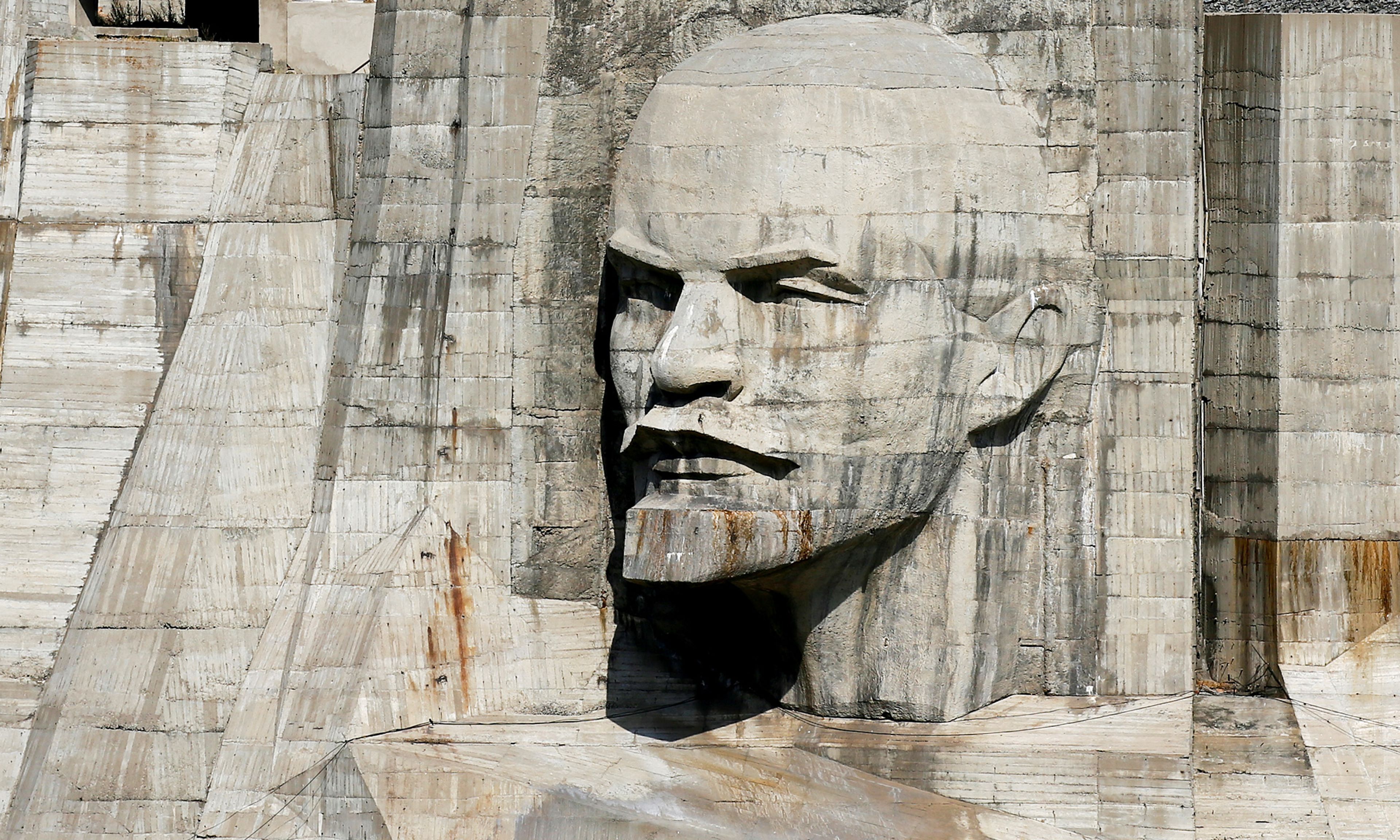
Editor’s Note: This week we celebrate the publication of a new book from NR senior editor David Pryce-Jones: Signatures: Literary Encounters of a Lifetime is a collection of vignettes of famous authors who over the decades gave him personally inscribed books. In the following excerpt, David reflects on Arthur Koestler, the author of Darkness at Noon, who signed a copy of his 1971 book, The God that Failed, for David. Signatures is available for purchase at Encounter Books.
A few years ago, I was in Budapest walking down a slightly dingy street when I caught sight of a tablet at first-floor level on the wall of one of the buildings. The young Arthur Koestler, born in 1905, had lived here in an apartment that he wrote up as a monument to a lost ideal of home, “stuffed with plush curtains, antimacassars, tassels, fringes, lace covers, bronze nymphs, cuspidors, and Meissen stags at bay.” From here he set out to go to university in Vienna, and on to Jerusalem, Berlin, and Moscow, with interludes in prison and detention camps, condemned to death as a Communist by the Franco regime in Spain and then again by the Communist Party as a renegade.





Comments