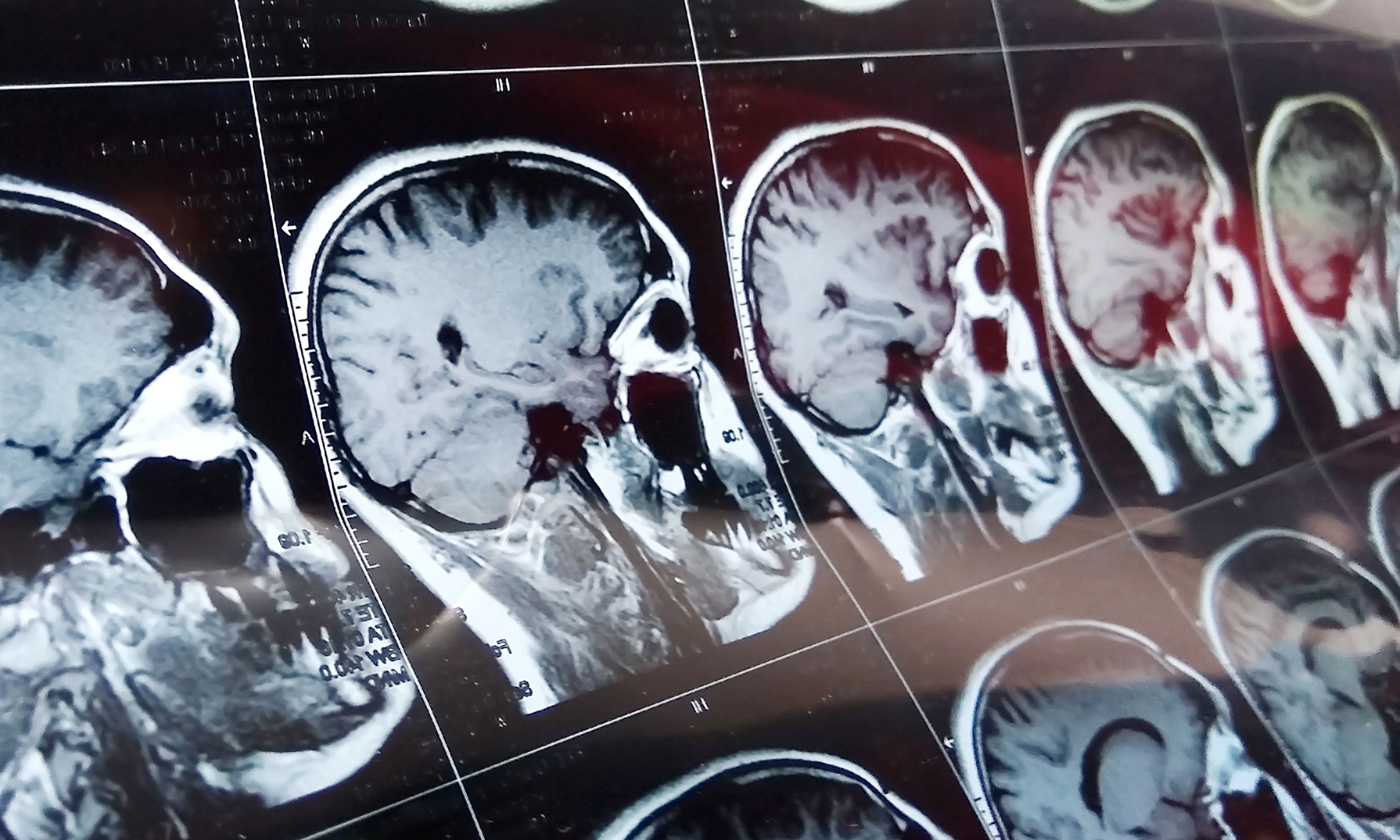
The paradigm of mind–brain dualism, like the story of syphilis, is by no means virgin territory. However, Allan Ropper and Brian Burrell’s How The Brain Lost Its Mind: Sex, Hysteria, and the Riddle of Mental Illness puts both the legacy of dualism and the story of syphilis under the microscope, and offers a novel “redress [to the] derailing of a coordinated neurological and psychiatric approach to mental illness.” With the experience of a leading academic neurologist (Ropper) and an authority on brain collections (Burrell), the pair team up for their second book. They present a highly readable switched-at-birth story in which the discipline of neurology pursued an inscrutable malady termed “hysteria” and the emerging field of psychiatry gained purchase through claiming as its own the first known organically based cause of mental illness, neurosyphilis.
Neurosyphilis is a sexually transmitted disease that manifests years after infection with prominent psychosis and mania. Hysteria, which has gone by many names, from neurasthenia to functional neurological disorder, remains a common but elusive phenomenon in which neurological symptoms have no obvious neurological basis and, thus, are attributed to a psychiatric origin. But there’s the rub: We cannot help but describe mental illness without reinforcing these neurological–psychiatric and brain–mind antitheses. This book excels in explaining the source and maintenance of these divisions in the early makings of modern madness.




Comments