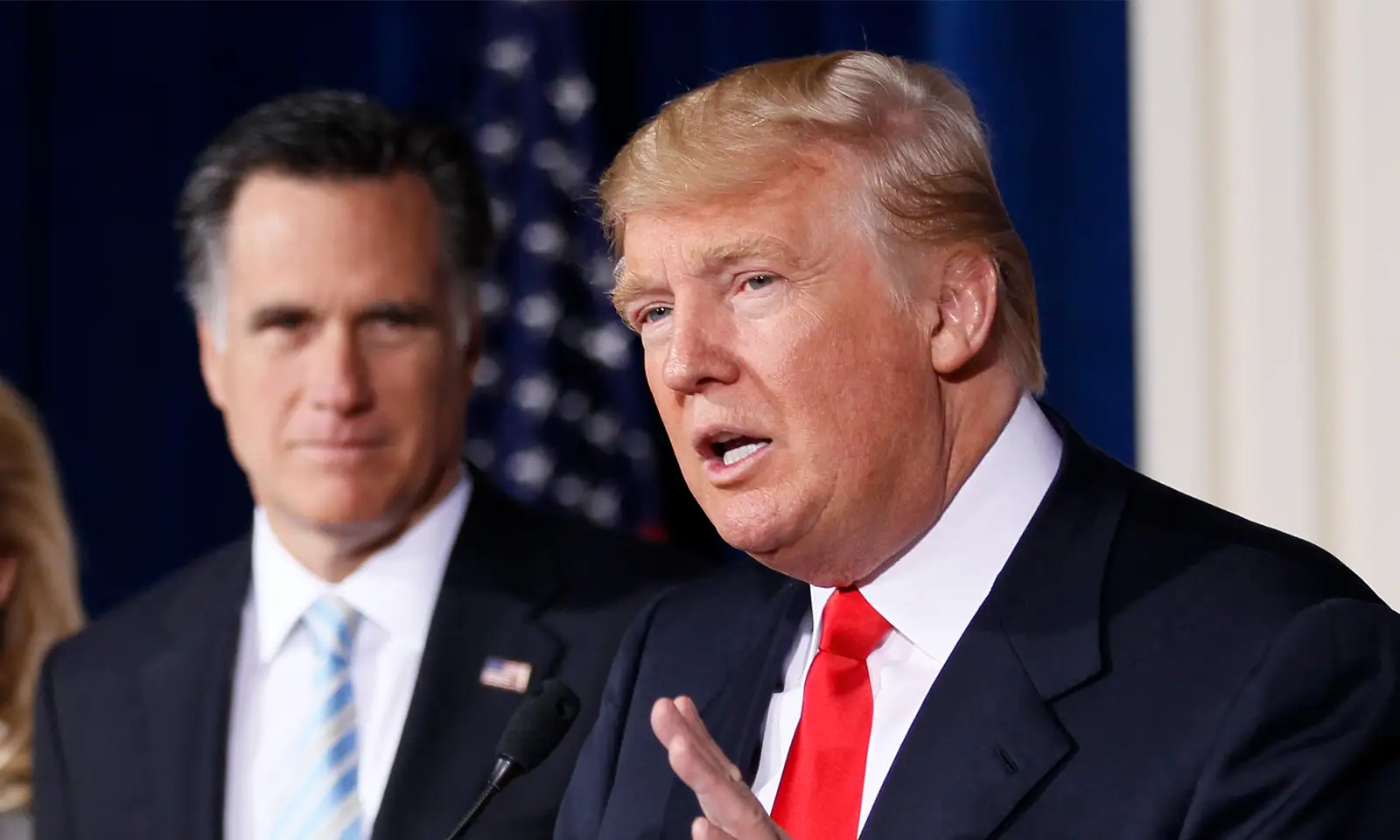
’s political coalition has come unglued spectacularly. In 2024, House Republicans won 74.4 million votes and 49.8 percent of the national popular vote; in 2026, they are likely to finish with around 50 million, below 43 percent of the vote. Similar declines are visible for Republicans at every level. The biggest losses are in those demographics with which Republicans made the biggest gains two years ago, but the carnage is owed also to low rural turnout and losses in deep-red states.
Republicans have seen this movie before. Hard landings in successive second-term elections shattered the coalitions of George W. Bush, Richard Nixon, and Dwight Eisenhower, leaving Democrats ascendant. There will be much talk about the ideal message and philosophy that the next Republican leaders should adopt. Elsewhere in this issue, Jeff Blehar looks at how much of the Humpty Dumpty of the Trump coalition can be put back together again. But we should also ask what kind of voter coalition Republicans should want.




Comments
On “The Republicans’ Next Coalition”