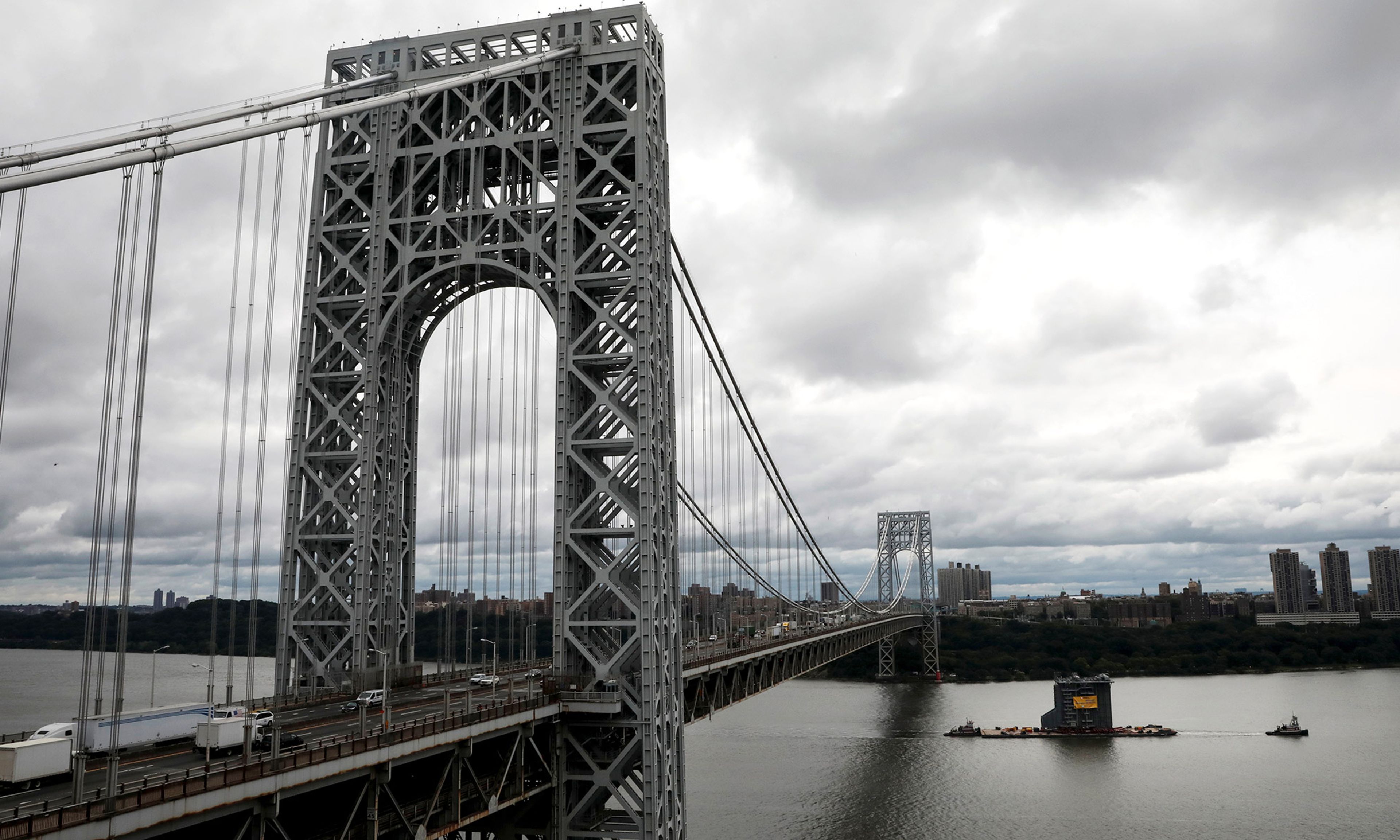
Men and women wearing masks shuffle wearily through the desolate ruins of a failed country. It’s not healthy or safe to be out, and public places are barren. Storefronts are boarded up. Encounters of any length with other human beings are few and far between, and often revolve around the transactional or coerced provision of food or sex. With no one carrying out municipal services of any kind, nature has begun to reclaim urban grids, and bridges, roads, tunnels, and buildings have fallen into disuse and disrepair. Police do not respond to emergencies. The government, or what’s left of it, is an aloof, hostile presence. Citizens have been conditioned to hate their heritage and culture, or what little remains; they’ve come to hate themselves. Believing in the value of what past generations have done, built, and achieved, and in the right of people to live as they have for generations, is not just out of fashion; it’s illegal.
The country has decided, in essence, that it simply doesn’t deserve to go on, that there’s nothing at all worth upholding and preserving, that it would be better if people killed one another off or died of disease, hunger, or despair.



Comments