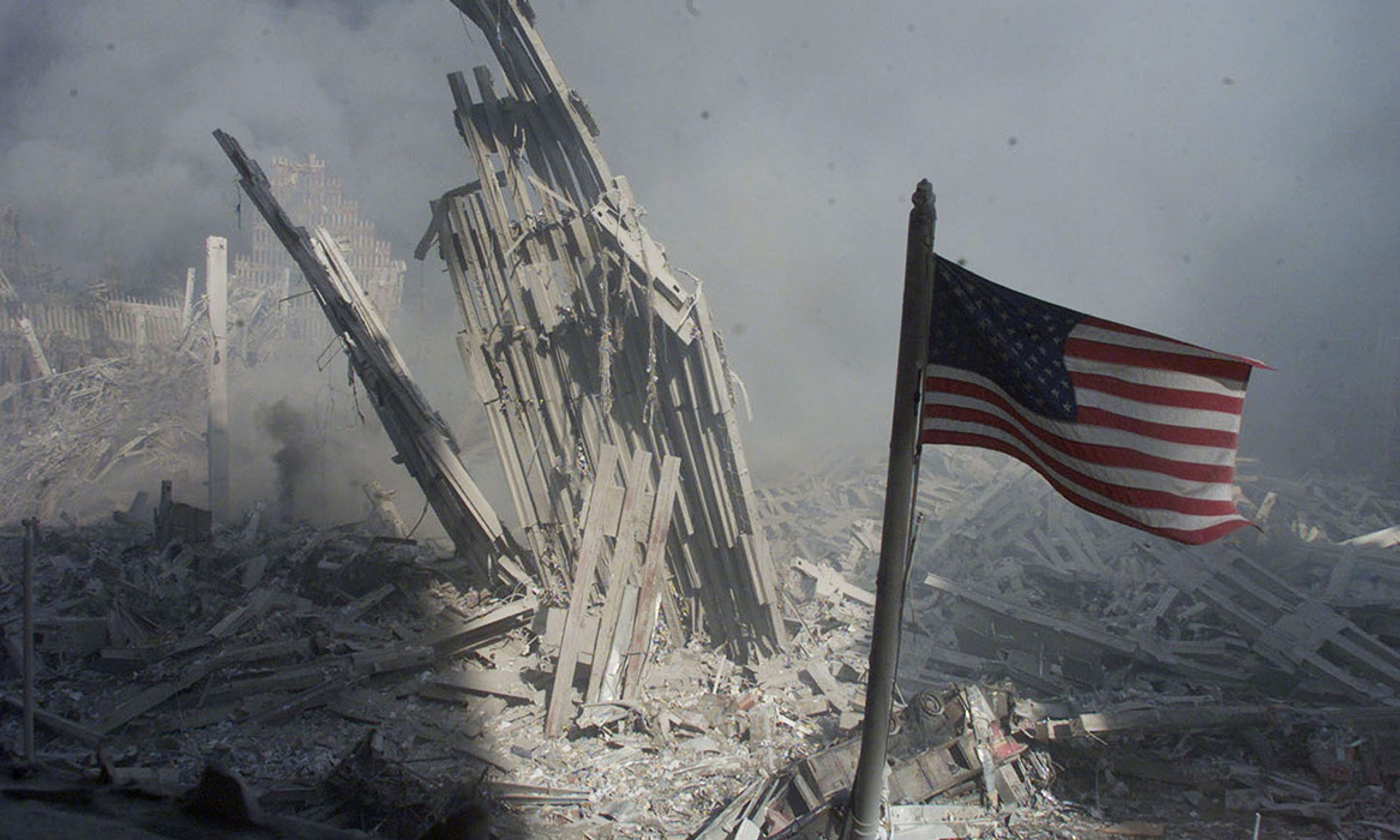
Several of the in-the-moment, in-the-city responses to 9/11 from National Review editors stand out for their (to borrow the title of journalist Charles Mackay’s 1841 book) Extraordinary Popular Delusions and the Madness of Crowds approach to the event. On a day on which Americans appeared more lockstep than any other, prominent National Review writers challenged rather than acquiesced to various empty yet accepted assertions.
Richard Brookhiser seemed to suggest that in a beauty pageant against the Empire State Building and the Chrysler Building, the Twin Towers — structures of “slowly endearing ugliness” — neither won, nor placed, nor even showed. William F. Buckley Jr. memorably objected to the rote description of the terrorists as cowardly. “The men who guided the airplanes into their final destination were deranged, and the consequences of what they did were horrible,” he wrote. “But those who are willing to give their lives to their cause aren’t cowards, and the cause that moves them is proportionately grave.”



Comments