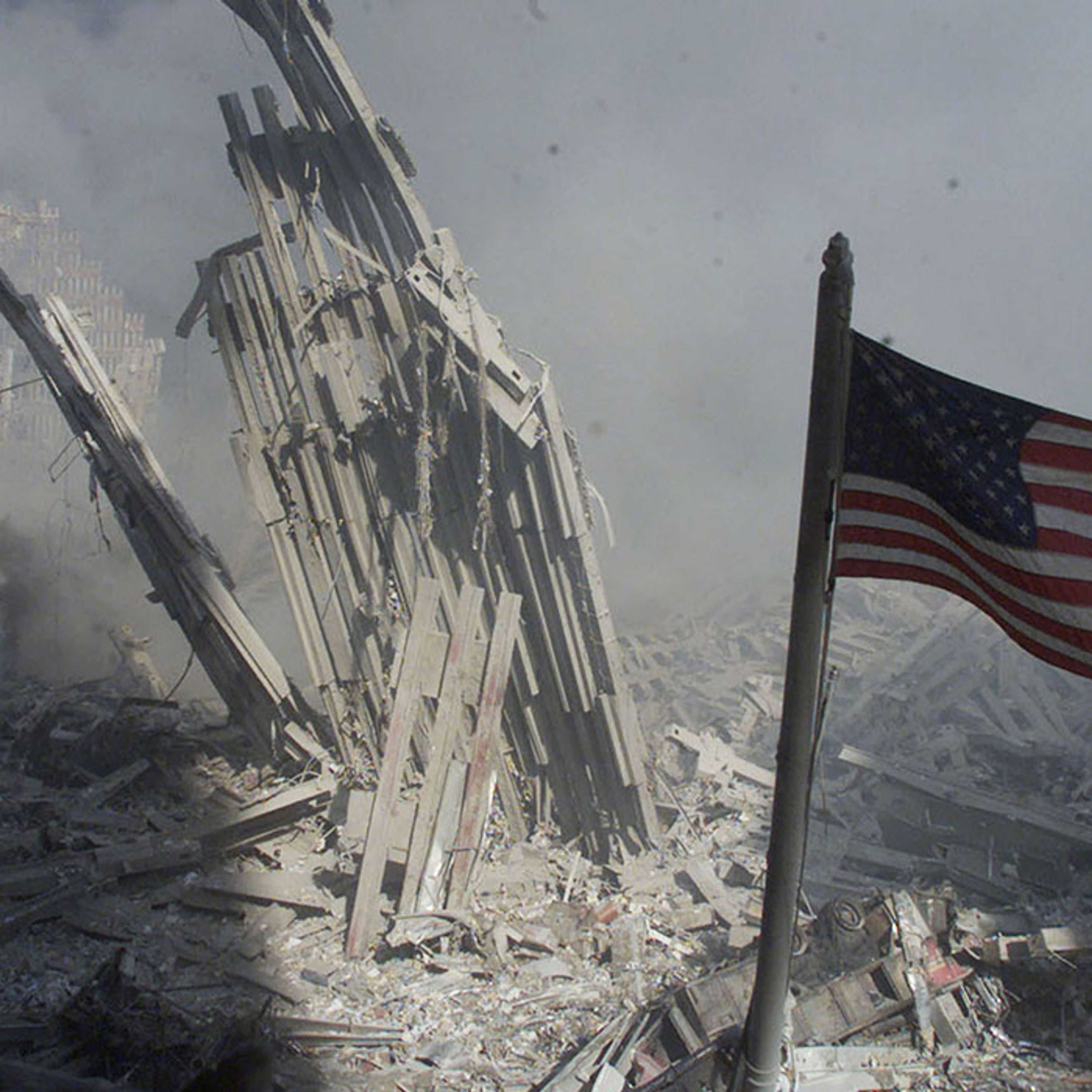
Earlier this month, when we marked the 25th anniversary of the 9/11 atrocities, my reminiscences as a former terrorism prosecutor focused on the even more dimly recalled eight years prior to the suicide hijackings. (See here and here, and this Free Beacon review of Second Wave, a book about al-Qaeda’s plots to hit the United States again shortly after 9/11.) To my mind, the most underappreciated counterterrorism innovation is the transformation from the Clinton-era law enforcement paradigm to the law-of-war footing adopted by the Bush-Cheney administration after nearly 3,000 Americans were killed and iconic American sites were demolished or badly damaged.
In fits and starts, out of frustrating recognition that the crime model was a security disaster while the war model invited overkill that stifled American liberties, we’ve finally arrived at an uneasy hybrid: (a) military and intelligence operations against jihadist groups overseas; (b) intelligence and treasury mapping and monitoring of jihadist groups as they move money, personnel, and assets across borders and continents; and (c) law enforcement prosecutions of terrorists caught plotting attacks and of their abettors providing material support. It’s far from perfect, but it’s a vast national defense improvement over how things stood on February 26, 1993, when the World Trade Center was bombed — which I regard as the Sunni jihadists’ declaration of war against the United States. (Arguably, the Shiite jihadists had declared war in 1979, with the Iranian revolution followed by the siege of the U.S. embassy and Hezbollah’s attacks on U.S. installations and assassinations of American officials. But the WTC bombing was the global anti-American jihad’s proclamation that it could hit us in our homeland.)




Comments