Poverty journalism is a flawed genre. Almost all chroniclers of underclass life are progressives with a deep sense of gratitude to their subjects. Any journalist, if honest, acknowledges the challenge of being truly objective with a source who grants extraordinary access to her personal life. That’s even harder when the source in question is a poor person. But even when they are the work of avowed advocates, journalistic accounts of poverty inform debate by offering a window into the kinds of lives led by those at the lower end of the income spectrum. They thus hold special interest for those interested in how social dysfunction, as distinct from wrongheaded economic policy, explains poverty.
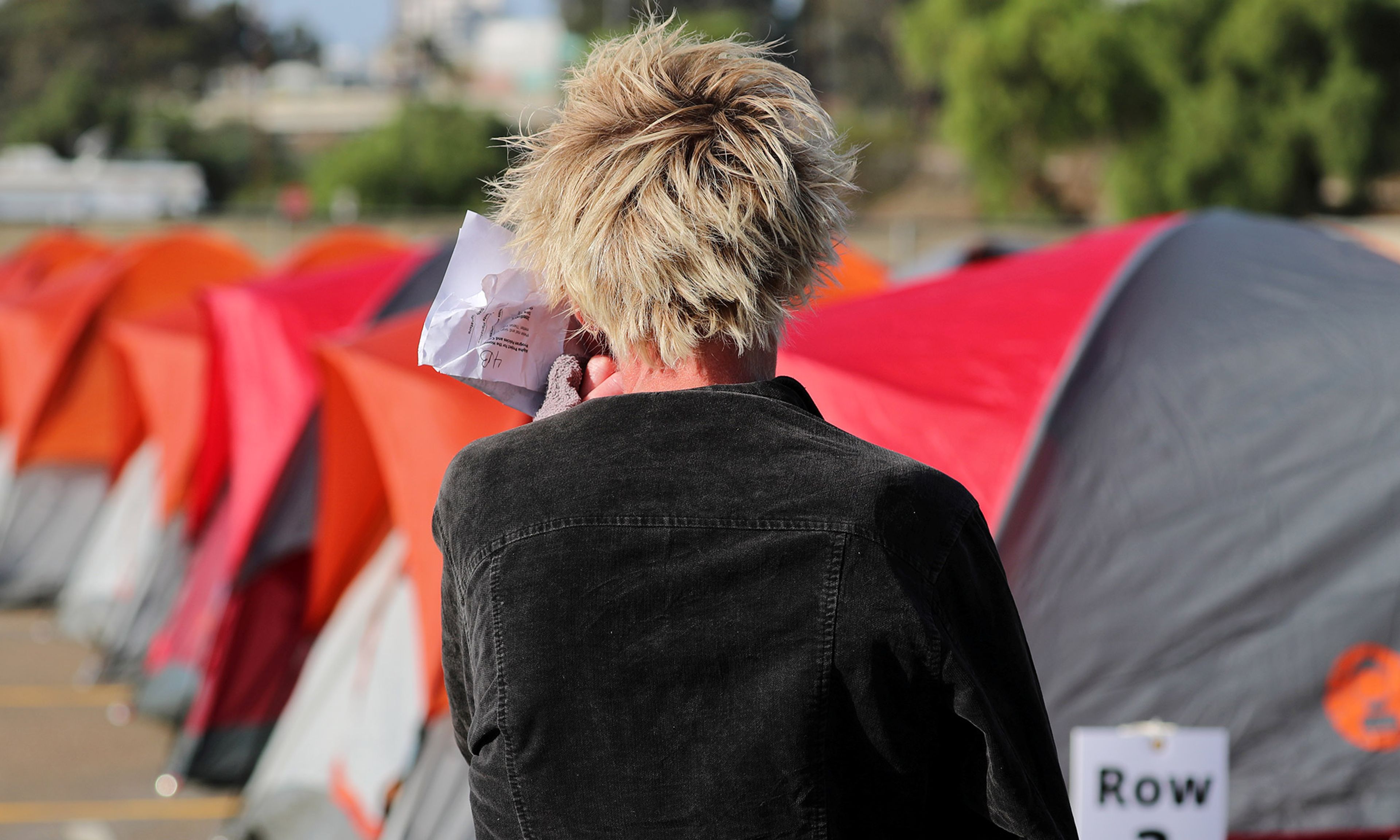
Two new books that fall into this category are Troop 6000: The Girl Scout Troop That Began in a Shelter and Inspired the World and This Is All I Got: A New Mother’s Search for Home. They are about homelessness, specifically family homelessness. Homelessness has recently been a front-burner issue in several major cities, but mainly in the form of single-adult homelessness: panhandlers in New York’s subway system, people living out of tents in San Francisco and Los Angeles. In America, homeless families live in shelters, not on the streets. Advocates believe that the relative “invisibility” of family homelessness leads to public misunderstanding about who the homeless really are and how much they have in common with the non-homeless.





Comments